
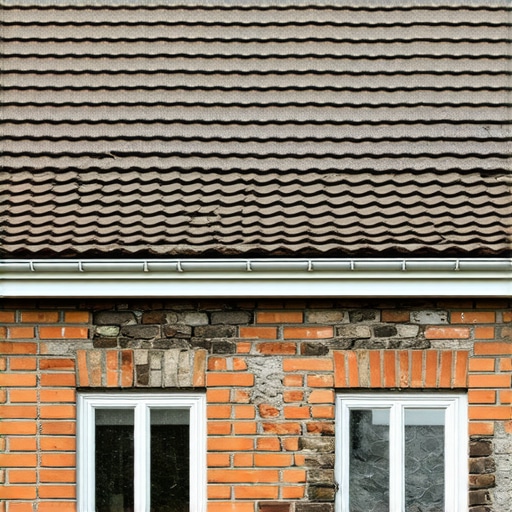
The Anatomy of a Masonry Failure: A Forensic Perspective
Walking on that roof felt like walking on a sponge. I knew exactly what I’d find underneath. It was a late-autumn inspection in a neighborhood full of century-old Victorians, and the homeowner couldn’t understand why their dining room ceiling was dripping. They had just paid a cut-rate crew to slap a new layer of asphalt shingles on, but they ignored the massive brick monolith standing in the center of the structure. I didn’t even need to pull my moisture meter to see the catastrophe. The chimney wasn’t just a venting system; it had become a vertical aquifer, soaking up every ounce of October rain and funneling it directly into the attic. This is what happens when local roofers focus only on the field of the roof and ignore the masonry transition. To truly understand why your roof is failing, we have to look past the shingles and into the mortar joints.
1. Efflorescence: The Ghostly Salt of Decay
The first sign of brick and mortar decay isn’t a hole; it’s a white, powdery substance known as efflorescence. Most homeowners think it’s just a bit of dust or maybe some stubborn frost. In reality, it’s a chemical signal that your chimney is losing its structural integrity. When water penetrates the porous surface of a brick, it dissolves internal salts. As the sun beats down and the brick dries, that salty water is pulled to the surface via capillary action. The water evaporates, leaving the salt behind. This isn’t just a cosmetic issue. It’s evidence of ‘wicking.’ If salt is moving out, it means water is moving in. In cold climates, this is the precursor to a total system failure. This moisture eventually reaches the roof deck, where it begins the slow process of hidden decking plywood decay. When you see those white streaks, your chimney is effectively acting as a wet cloth draped over your house.
“A roof is only as good as its flashing.” – Old Roofer’s Adage
2. Spalling: When Bricks Lose Their Face
If you see chunks of red clay sitting in your gutters or scattered across your shingles, you’re looking at spalling. This is the ‘Forensic Autopsy’ stage of masonry failure. In northern zones, this is almost always caused by the freeze-thaw cycle. Water enters the micro-fissures in the brick. When the temperature drops, that water expands by roughly 9%, creating immense internal pressure. Eventually, the face of the brick literally explodes off. This leaves the soft, inner core of the brick exposed, which absorbs water even faster than the hard-fired exterior. Once a brick starts spalling, the transition to the roof is compromised. No amount of caulk or ‘roofing tar’ will fix this. The water will simply bypass the shingle edge and travel down the side of the masonry, rotting out the rafters. This is often when homeowners realize they need more than a patch; they need advanced ways to stop water entry at chimneys to prevent total structural collapse.
3. Crumbling Mortar: The Sand Castle Effect
Take a screwdriver and gently poke the mortar between your bricks. If it crumbles like a dry granola bar, your roof is in danger. Mortar is designed to be sacrificial—it’s supposed to wear out before the bricks do—but once it’s gone, you have open voids. These gaps allow ‘wind-driven rain’ to get behind your flashing. I’ve seen chimneys where the mortar was so decayed that I could see daylight through the stack from inside the attic. When the mortar fails, the bricks become loose. A loose chimney vibrates in high winds, which breaks the seal of your counter-flashing. This creates a ‘shiner’—a missed or pulled nail—under the shingles that allows a slow, steady drip. This isn’t something most roofing companies catch during a quick five-minute estimate. You need someone who understands the physics of how a Cricket (a small peaked roof structure behind the chimney) should divert water away from these vulnerable joints. Without a proper cricket and solid mortar, water will pool, exert hydrostatic pressure, and find its way into your home.
“Water is the primary agent of masonry deterioration.” – Building Science Axiom
The Surgery: Why a Quick Fix Fails
Most ‘trunk slammer’ local roofers will tell you to just ‘mastic the heck out of it.’ They’ll slather black plastic cement around the base of the chimney and call it a day. That is a Band-Aid on a gunshot wound. Plastic cement dries out, cracks, and traps moisture against the brick, accelerating the rot. The forensic fix requires ‘tuckpointing’—grinding out the old mortar and replacing it with new, climate-appropriate material—and installing proper two-piece flashing. This involves a base flashing that goes under the shingles and a counter-flashing that is actually ‘let-in’ (cut) into the mortar joints. If you don’t see your contractor using a masonry saw to cut a reglet into the brick, they aren’t fixing the leak; they’re just hiding it for a season. If you’ve already noticed dampness in the attic rafters, you may be facing unforeseen wood rot that requires replacing a few Squares of decking. Don’t wait for the ceiling to fall. If your bricks are weeping, your roof is dying.