
The Sound of a Dying Roof: A Desert Forensic Scene
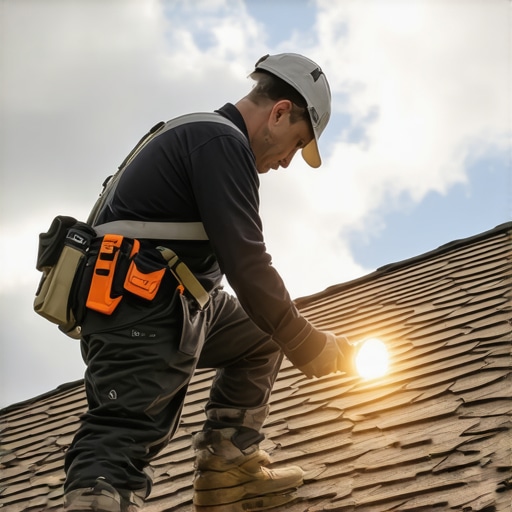
Walking on that roof felt like walking on a layer of sun-baked potato chips. Every step produced a sickening crunch, a sound no homeowner should ever hear from a 30-square asphalt installation that’s supposed to have twenty years of life left. I was out there because the owner was convinced he’d been hit by a freak hail storm. He hadn’t. What I was looking at was a textbook case of shingle blistering, a slow-motion architectural suicide triggered by the brutal 115°F heat and a complete lack of airflow in the attic. I knew exactly what I’d find underneath: charred plywood and nails that were so hot they’d started to back out of the deck. This wasn’t an act of God; it was an act of poor physics.
The Anatomy of a Blister: Why Shingles Explode
To understand why your roof is bubbling, you have to look at the chemistry of the shingle itself. Asphalt shingles are a sandwich of fiberglass mat, oil-rich asphalt, and ceramic granules. During the manufacturing process, if even a microscopic amount of moisture gets trapped within that asphalt layer, it becomes a ticking time bomb. In high-heat climates like the Southwest, that moisture doesn’t just sit there. It undergoes a phase change. As the sun beats down, that water vaporizes, expanding with nowhere to go. This internal pressure pushes the asphalt upward, creating a bubble or ‘blister.’ Eventually, the top of the bubble pops, shedding the protective granules and exposing the raw, oily underbelly of the shingle to raw UV radiation. Once those granules are gone, your roof is defenseless. You can learn more about how the sun eats your investment by checking roof inspection: 3 tips for identifying sun damage.
Blistering vs. Hail: Don’t Let the Insurance Adjuster Fool You
Local roofers often get called out for storm damage, only to find blistering. The difference is vital for your wallet. Hail damage is an impact; it leaves a bruise or a literal ‘crater’ where the granules were smashed into the mat. Blistering, however, is an ‘outward’ force. You’ll see a ring of granules around the crater where the bubble burst. If you see a shiner—a nail that missed the rafter and is protruding slightly—it can often create a localized hot spot that accelerates this blistering. Understanding these nuances is why you need to know local roofers: 3 reasons to hire a specialist rather than a general handyman who doesn’t know a cricket from a valley.
“Thermal expansion and contraction in steep-slope roofing systems can lead to premature fatigue of the asphaltic membrane if proper ventilation is not maintained.” – National Roofing Contractors Association (NRCA) Manual
The Physics of Failure: Thermal Shock and Attic Bypasses
In the desert, the temperature on the roof deck can swing 70 degrees in a single day. This is called thermal shock. When the attic isn’t breathing, that heat gets trapped against the underside of the plywood. The shingles are being cooked from both sides: the sun from above and the 140°F attic from below. This isn’t just about shingles; it’s about the entire ‘spine’ of the house. If you notice the ridge line looking wavy, you might be dealing with more than just surface issues; see residential roofing: 3 signs of a weakened roof spine to see if your structure is actually sagging. Most ‘trunk slammers’ will just nail new shingles over the old ones without checking the intake-to-exhaust ratio. If your soffit vents are clogged with insulation or bird nests, your ridge vent is just a decoration. Without a constant flow of cool air, the asphalt literally boils.
The Material Truth: Asphalt vs. Metal vs. Tile
If you’re replacing a blistered roof in 2026, you have to decide if you want to keep playing the asphalt game. Standard 3-tab shingles are a joke in high-UV zones; they lack the mass to resist the heat. Architectural or ‘laminated’ shingles are better, especially if you use roofing materials: 4 benefits of fiberglass shingles which have a higher resistance to thermal breakdown. However, if your budget allows, metal or concrete tile is the only real way to escape the cycle of blistering. Metal reflects the UV rather than absorbing it, and tile provides a natural ‘thermal break’ between the material and the deck. To fight the heat even further, look into eco-friendly roofing: 3 ways to lower roof heat thermal energy loss.
The Warranty Trap: Why “Lifetime” Means Nothing
Most roofing companies will hand you a glossy folder promising a 50-year or lifetime warranty. Read the fine print. Nearly every manufacturer has a clause that voids the warranty if the roof is ‘improperly ventilated.’ If your local roofers didn’t calculate the Net Free Area (NFA) of your attic, that warranty is as useful as a screen door on a submarine. When those blisters start popping in year five, the manufacturer will blame the ventilation, and the contractor will be out of business or operating under a different name. This is why you must vet your team; learn the roofing companies: 3 questions to ask about subcontractors before they ever set foot on a ladder. If they aren’t talking about roofing materials: 4 benefits of breathable felts, they aren’t building a roof that lasts.
The Fix: Band-Aids vs. Surgery
Can you fix a few blisters? Sure. You can scrape away the loose granules and apply a high-grade sealant, but it’s like putting a band-aid on a gunshot wound. The conditions that caused those blisters are still there. If the roof is over 12 years old and the blistering is widespread (more than 5% of the surface), you’re looking at a full tear-off. Don’t let a salesman talk you into a ‘re-cover’ (nailing new shingles over old ones). That just doubles the thermal mass and ensures the new shingles blister even faster. Use the right tools for a self-check; see 7 best 2026 tools for DIY roof inspections to get a closer look. If you see ‘pockmarks’ without an impact point, you’ve got a ventilation crisis on your hands.
“A roof is only as good as its flashing and its ability to breathe.” – Old Roofer’s Adage
Conclusion: Protecting Your Investment
In 2026, the cost of materials has skyrocketed. You cannot afford to replace a roof twice because of a preventable ventilation error. If you suspect blistering, get a forensic-minded inspector out there. Check the attic temperature on a hot afternoon. If it’s more than 20 degrees hotter than the outside air, your roof is essentially a slow cooker. Address the airflow, choose materials suited for the Southwest sun, and stop the blisters before they turn your home into a sponge during the next monsoon rain. For immediate help after a bad catch, visit emergency roof services: 4 steps for immediate leak storm patch.