
Walk onto any roof in the Northeast after a brutal February freeze, and you can tell exactly which roofing companies cut corners and which ones actually understand the physics of a deck. You see it in the way the shingles buckle, the way the ice dams crawl up under the drip edge, and the sound—that brittle crunch of an organic shingle that has finally given up the ghost. I’ve spent twenty-five years tearing off the mistakes of guys who thought a nail gun and a truck made them a roofer. Most homeowners are buried under a mountain of brochures, but here is the cold, hard truth from the trenches: fiberglass shingles aren’t just a choice; they are the baseline for surviving a climate that wants to shred your house.
The Patient Enemy: A Forensic Perspective
My old foreman, a man who had calluses thicker than a deck of cards and could smell a leak from the driveway, used to tell me, ‘Water is patient. It will wait for you to make a mistake.’ He was right. Most leaks don’t start during the storm; they start years prior when the material begins to fail at a molecular level. We’re going to look at why fiberglass is the industry’s answer to that patience. When I talk about fiberglass shingles, I’m talking about a non-woven glass fiber mat coated with asphalt and ceramic granules. It’s a sandwich of chemistry designed to fight the specific thermal expansion cycles we see in cold climates.
“A roof is only as good as its flashing.” – Old Roofer’s Adage
1. Dimensional Stability: Fighting the ‘Potato Chip’ Effect
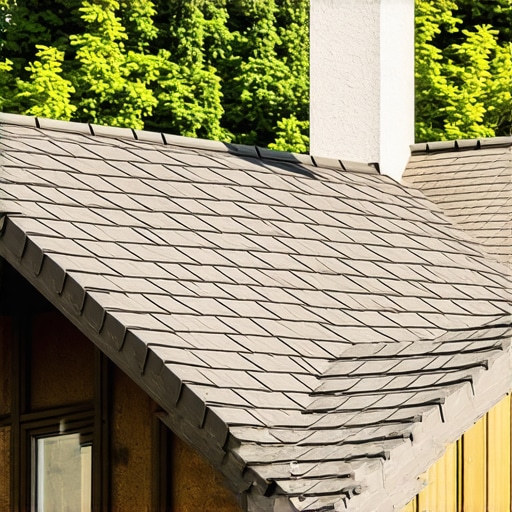
The first benefit is dimensional stability. In the old days, organic shingles used a cellulose (paper) base. When the humidity spiked or the temperature plummeted, that paper base would swell and shrink. Eventually, the edges would curl up like a dried-out potato chip. This is what we call telegraphing—where the failure of the shingle base shows every lump and bump in the deck. Fiberglass mats are inorganic. They don’t absorb moisture, and they don’t move. When the mercury hits -10°F, a fiberglass shingle stays flat. This is vital because a flat shingle keeps its sealant strip engaged. If the shingle curls, the seal breaks, and the next wind storm will result in shingle lifting that invites driving rain right into your attic. [IMAGE_PLACEHOLDER]
2. Superior Fire Resistance: The Class A Reality
I’ve seen houses saved because of the glass mat. In a forensic autopsy of a fire-damaged structure, you can see where the fiberglass shingles acted as a thermal shield. Because the core of the shingle is glass, it doesn’t provide fuel. Most fiberglass shingles carry a Class A fire rating. This means they can withstand severe fire exposure from outside sources. In suburban areas where houses are built tight together, this isn’t just a benefit; it’s a life-saving barrier. Compare that to old wood shakes or even some organic composites that would practically act as kindling once the asphalt oils dried out.
3. Weight and Structural Integrity
One ‘square’ (that’s 100 square feet in trade talk) of fiberglass shingles is significantly lighter than the old organic heavyweights. You might think heavier is better, but your rafters disagree. By reducing the dead load on the roof structure, you’re less likely to see the rafters sag over time. This weight reduction doesn’t mean the shingle is ‘cheap’; it means the glass mat is providing the tensile strength that used to require thick, soggy layers of paper. However, this lighter weight makes the use of a high-quality fiberglass underlayment even more important to ensure a secondary moisture barrier is in place.
“The roof shall be covered with approved roof coverings of such performance as to provide protection to the building from the weather.” – International Residential Code (IRC), Section R903.1
4. Heat Dissipation and Granular Retention
Heat is the silent killer of asphalt. In an attic that hits 140°F, the asphalt in a shingle begins to ‘off-gas’ and become brittle. Fiberglass shingles are thinner and allow for better heat dissipation than the thick organic pads of the past. Furthermore, the bond between the ceramic granules and the fiberglass-reinforced asphalt is chemically superior. Those granules aren’t just for color; they are UV armor. Once you lose the granules, the sun eats the asphalt in months. By choosing a material with high granular retention, you’re ensuring the shingles don’t end up in your gutters after the first hail storm.
The Contractor Trap: Why the Estimate Matters
Local roofers will often try to upsell you on ‘lifetime’ warranties, but a warranty is only as good as the installation. If a roofer leaves a ‘shiner’—a nail driven too high that misses the nail zone—the fiberglass mat can eventually tear around that nail head due to wind pressure. This is why when you are reading a detailed estimate, you need to look for specific mention of the starter strip and the ventilation plan. Without a balanced intake and exhaust system, even the best fiberglass shingle will bake from the inside out. Don’t let a ‘trunk slammer’ tell you that a new layer of shingles over the old ones is ‘fine.’ A true professional will insist on a tear-off to inspect the decking for rot and ensure the synthetic shingle felt pad is laid down correctly.
The Verdict
Fiberglass shingles are the workhorse of the modern roofing industry for a reason. They solve the physics problems that plagued the 1970s and 80s: curling, fire risk, and excessive weight. But remember, the material is only half the battle. If you ignore the flashing or the ventilation, you’re just putting a Band-Aid on a sucking chest wound. Get the right material, but more importantly, get the right hands to install it.