
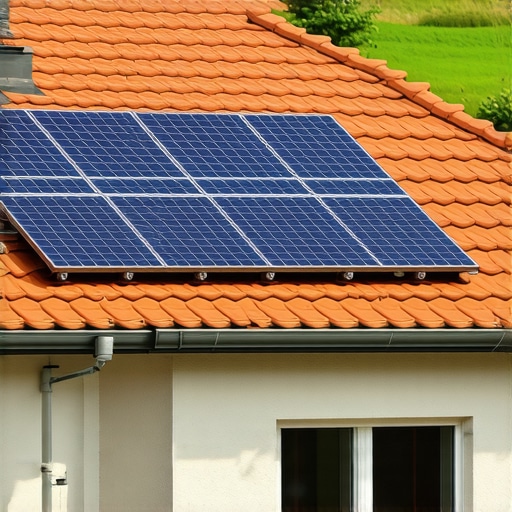
The Forensic Reality of the Desert Roof
Last July, I climbed onto a steep-slope concrete tile roof in Henderson, Nevada. The homeowner was complaining that her AC bill was north of seven hundred dollars and the upstairs bedrooms felt like a pizza oven. I took one step onto the ridge and heard that sickening, brittle crunch. It wasn’t the tile breaking—it was the felt underlayment underneath. It had been cooked so brittle by 160-degree attic temperatures that it snapped like a dry saltine cracker. I knew exactly what I’d find: a stagnant attic where the heat had no escape route, essentially baking the roof from the inside out. This is where most roofing companies fail their clients. They focus on the shingles or tiles, but they ignore the ventilation physics. In the Southwest, heat is a physical weight that sits on your house. If your local roofers aren’t talking about active thermal management, they are just selling you a ticking time bomb.
“Ventilation is the lungs of the home; without it, the structure suffocates under its own thermal mass.” – Modern Architecture Axiom
The Physics of the Attic Heat Spike
When the sun hits a roof deck in the desert, we aren’t just talking about light; we are talking about infrared radiation. This energy penetrates the material—whether it’s asphalt or tile—and transfers into the attic space. This creates what we call attic heat spikes, where temperatures can soar 50 to 60 degrees higher than the outside air. Traditional ridge vents are passive. They rely on the hope that hot air will eventually find its way out through the top while cool air enters the soffits. But hope isn’t a strategy when there’s zero wind. This is where 2026 solar caps change the math. These aren’t just pieces of plastic; they are motor-driven evacuation systems powered by the very sun that is trying to destroy your roof.
Benefit 1: Active Heat Evacuation and Negative Pressure
The primary benefit of a solar cap is its ability to create active negative pressure. A standard ridge vent sits there and waits for convection. A solar cap, however, uses an integrated photovoltaic panel to drive a high-cfm (cubic feet per minute) fan. This fan pulls air out of the attic space at a rate that passive vents could never dream of. By forcing the hot air out, you create a vacuum that pulls cooler air in through the eave vents. This movement prevents the ‘heat soak’ effect where your plywood decking absorbs so much thermal energy that it continues to radiate heat into your home long after the sun has gone down. If you ignore this, you’ll eventually see signs of fascia wear as the wood dries out and warps from the extreme temperature fluctuations. Local roofers who understand forensic roofing know that keeping the underside of the deck cool is just as important as the top side.
Benefit 2: Mitigating Thermal Expansion and Contraction
Roofing materials are constantly moving. In the desert, a roof might go from 160 degrees at 3:00 PM to 70 degrees at 3:00 AM. This 90-degree swing causes massive thermal expansion and contraction. Every nail, every staple, and every seam is being pushed and pulled. This leads to fastener failure, where nails begin to back out of the wood—we call these ‘shiners’ when they miss the rafter, but even a well-placed nail can lose its grip over time. Solar caps mitigate this by narrowing the temperature delta. By keeping the attic closer to the ambient outdoor temperature, the structural components of the roof move less. You are essentially reducing the mechanical stress on every square of material you’ve paid for. It’s the difference between a rubber band that stays flexible and one that is left in the sun until it snaps.
Benefit 3: Protecting the Secondary Water Barrier
Most people think the shingles are the roof. They aren’t. The shingles are the UV shield; the underlayment is the actual roof. In the humid Southeast, we worry about mold, but in the Southwest, we worry about the ‘charring’ of the underlayment. When an attic isn’t vented properly, the heat reflects off the back of the shingles and cooks the felt or synthetic wrap. By the time you see a leak, the underlayment has already failed across 40% of the surface. Utilizing attic solar fans or solar-integrated ridge caps ensures that the temperature at the deck level stays below the threshold where bitumen starts to degrade. This prevents the oil from leaching out of your asphalt products, which is what keeps them waterproof. Without this airflow, you’ll eventually face eave drip failure as the brittle edges of the underlayment crumble away into the gutters.
“A roof system must be designed as a holistic assembly, not a collection of individual parts.” – NRCA Technical Manual
The Material Truth: Asphalt vs. Tile in High Heat
If you’re talking to roofing companies about a replacement, you need to understand the material trap. A ‘Lifetime Warranty’ on an asphalt shingle doesn’t mean it will last 50 years in Phoenix. It means the manufacturer will give you a prorated check for a few hundred bucks when the shingle fails in year 12 because it was cooked in a stagnant attic. If you are choosing between materials, tile has a higher thermal mass, which means it stays hot longer. This makes solar caps even more vital for tile roofs. You need to clear that heat out of the ‘dead air’ space between the tile and the deck. When local roofers install these systems, they often need to build a cricket or a custom diverter around the base of larger units to ensure water doesn’t pool, especially during our intense monsoon downpours. It is all about managing the physics of water and the chemistry of heat.
How to Spot a Real Pro vs. a Trunk Slammer
A ‘trunk slammer’ is a guy who gives you a quote on a napkin and tells you that your old vents are ‘fine.’ A forensic-minded pro will go into your attic with a thermal camera. They will look for the ‘hot spots’ where air is trapped in the valleys or behind the chimney. When you are interviewing local roofers, ask them about the net free venting area (NFVA) of their proposed solar caps. If they look at you like you’re speaking Greek, show them the door. You want a contractor who understands that the 2026 codes are moving toward mandatory active ventilation for a reason. They should be looking for signs of deck rot or previous heat damage before they ever lay a single shingle. This isn’t just about aesthetics; it’s about making sure you don’t have to do this again in ten years. Don’t let a cheap contractor turn your home into a slow-cooker.