
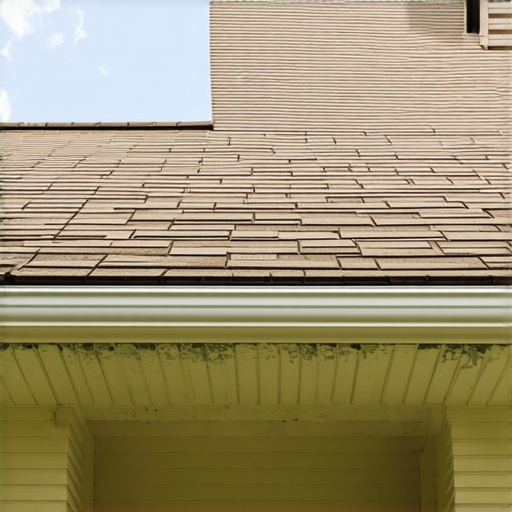
The Anatomy of a Dining Room Disaster
It usually starts with a faint, tea-colored ring on the ceiling, right where the drywall meets the exterior wall. Most homeowners ignore it, thinking it is just a bit of condensation. But when you have spent 25 years peeling back layers of shingles like an onion, you know that tea-stain is actually the calling card of a failed eave. I have seen it a thousand times: a perfectly good house being eaten from the edges inward because some local roofers decided that the drip edge was an ‘optional’ accessory or, worse, installed it upside down. My old foreman used to say, ‘Water is patient. It will wait for you to make a mistake.’ He was right. Water does not just fall off a roof; it clings, it wicks, and it hunts for the path of least resistance through the grain of your wood. By the time that stain hits your ceiling, the forensics tell me the eave has been failing for three years.
“Drip edges shall be provided at eaves and rakes of shingle roofs. Adjacent segments of drip edge shall be overlapped a minimum of 2 inches (51 mm).” – International Residential Code (IRC) R905.2.8.5
The Physics of the ‘Drip’
To understand why your eaves are failing, you have to look at the physics of surface tension. When rain hits your roof, it gains momentum. As it reaches the edge, gravity wants to pull it down, but the surface tension of the water molecule wants to keep it attached to the shingle. Without a properly kicked-out drip edge, that water will literally curl around the bottom of the shingle and run backward, underneath the starter strip, and directly into the sub-fascia. It is called capillary action. If your roofing companies are not using a D-style drip edge with a wide enough flange, they are basically inviting the rain to stay for dinner and rot your house out. Here are the five signs your 2026 roof is failing at its most critical defense line.
1. The Tell-Tale Fascia Shadow
Take a look at your fascia boards—the horizontal boards where your gutters are mounted. Do you see dark, vertical streaks or paint that looks like it is bubbling? That is not just dirt. It is a sign that water is bypassing the gutter entirely and running down the face of the board. This happens when the drip edge is installed behind the gutter instead of over it. When this happens, you are inevitably looking at fascia board decay that can spread faster than you think. I have poked a screwdriver into boards that looked solid, only to have it sink four inches into what felt like wet oatmeal. That is the smell of a $5,000 repair that could have been avoided with a $20 piece of flashing.
2. The ‘Shiner’ and the Shingle Overhang
I see this constantly with ‘trunk slammers’ who want to finish a square in twenty minutes. They either leave too much shingle hanging over the edge, which eventually sags and cracks, or they leave too little. If the shingle does not overhang the metal drip edge by at least half an inch, the water will wick back into the roof deck. Even worse is the ‘shiner’—a nail driven too low that is now exposed to the elements. These nails act as tiny heat sinks and moisture conduits. In the winter, they frost over; in the spring, they rust and create a hole that lets water seep into the eave. If you see nails visible at the very edge of your roof line, your local roofers cut corners.
3. The Spongy ‘Crunch’ Test
If you are brave enough to get on a ladder, walk your fingers along the very edge of the roof deck right above the gutter. If it feels soft or makes a ‘crunching’ sound, the game is already over. That is roof decking decay in its advanced stages. The plywood or OSB has absorbed so much moisture from eave failure that the glues have dissolved. This is usually where I find that the installer skipped the Ice & Water shield or didn’t overlap the underlayment properly at the corner. Once the decking goes, the fasteners lose their ‘bite,’ and the next high wind will peel your eaves back like a tin can lid.
“A roof is only as good as its flashing; the shingle is just the decorative skin.” – Old Roofer’s Adage
4. The Gutter Gap Syndrome
Look up from the ground during a heavy rain. Is water falling between the gutter and the house? This is a classic sign of eave drip failure. Modern roofing requires the drip edge to be installed so it directs water into the center of the gutter. If the metal is bent incorrectly or if the roofing companies used a ‘rake’ metal on an eave, the water will miss the target. This water then hits the foundation, leading to basement leaks and soil erosion. It is a cascading failure. You might even notice signs of eave rot appearing on the underside of your soffits because the moisture is being sucked into the attic by your ventilation system.
5. The Winter Ice Dam Backflow
In cold climates, the eave is the primary battlefield for ice dams. If your eave drip isn’t integrated with a high-quality membrane, the freeze-thaw cycle will push ice up under the shingles. When that ice melts, it has nowhere to go but down into your walls. I have been on roofs in February where the ice was three inches thick at the eave, and the water was literally running behind the siding because the drip edge wasn’t sealed to the deck. You need to know how to stop roof ice dams, and it starts with a forensic-level installation of the eave flashing. If your roofer didn’t use a heat gun to seal the membrane to the metal in the valleys and eaves, they didn’t do their job.
The Forensic Fix: Surgery, Not a Band-Aid
You cannot fix a failed eave with a tube of caulk. I have seen homeowners try to ‘seal’ the gap with silicone, only to trap the moisture inside and accelerate the rot. The only real solution is ‘The Surgery.’ This involves removing the first two courses of shingles, cutting out the rotted decking, replacing the fascia, and installing a heavy-gauge drip edge properly integrated with a self-adhering underlayment. We often have to address corner gaps that were left open by lazy installers, allowing squirrels and wasps to turn your attic into a condo. Don’t hire the guy who gives you the lowest bid; hire the guy who carries a moisture meter and isn’t afraid to tell you your eaves are a mess. Roofing isn’t just about shingles; it is about managing the relentless patience of water.
{“@context”: “https://schema.org/”, “@type”: “HowTo”, “name”: “How to Identify Eave Drip Failure”, “description”: “A forensic guide for homeowners to identify if their roof eaves are failing due to poor installation or age.”, “step”: [{“@type”: “HowToStep”, “text”: “Inspect the fascia boards for dark staining or bubbling paint.”, “name”: “Visual Fascia Check”}, {“@type”: “HowToStep”, “text”: “Check for water falling behind the gutters during rain.”, “name”: “Gutter Gap Observation”}, {“@type”: “HowToStep”, “text”: “Feel the roof edge for soft or crunchy plywood decking.”, “name”: “Physical Decking Test”}, {“@type”: “HowToStep”, “text”: “Look for exposed nails or improper shingle overhang at the roof line.”, “name”: “Fastener Inspection”}]}