
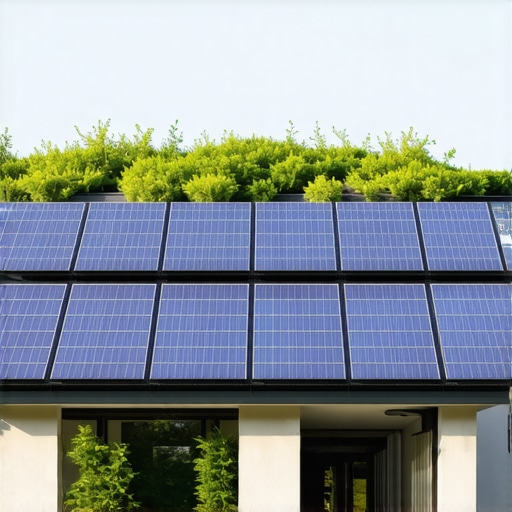
The Pizza Oven Effect: A Forensic Look at Desert Roof Failure
Walking on that roof in Phoenix felt like standing on the lid of a pizza oven at full blast. I could feel the heat radiating through the thick rubber soles of my boots, a dry, searing energy that told me everything I needed to know before I even popped the attic access hatch. I knew exactly what I’d find underneath: a baked-out nightmare of crispy underlayment and rafters that were literally cooking from the inside out. When your roof hits 160°F in the July sun, it isn’t just a covering anymore; it’s a thermal battery that’s dumping energy into your living space long after the sun goes down. Most roofing companies will try to sell you a thicker shingle and call it a day, but that’s like putting a heavier blanket on a person with a fever. You aren’t fixing the thermal energy loss—you’re just insulating the problem.
1. The Physics of the Radiant Barrier: Stopping the Invisible Heat
The first way to hammer down that thermal energy loss is to understand that the sun doesn’t just ‘warm up’ your roof; it assaults it with electromagnetic radiation. In the Southwest, this is the primary enemy. Traditional asphalt shingles are heat sponges. They soak up that UV and transfer it via conduction directly into your plywood decking. This is where the radiant barrier comes in. I’m talking about a thin layer of highly reflective material, usually aluminum, that’s either laminated to the underside of the decking or draped over the rafters.
“A roof system’s ability to reflect solar energy is more significant for energy savings in hot climates than its R-value insulation alone.” – Principles of Heat Transfer in Building Envelopes
By installing a radiant barrier, you’re stopping about 97% of that radiant heat from ever jumping the gap from the roof deck to your attic insulation. If you don’t address this, your AC is fighting a losing battle against the laws of thermodynamics. You might notice early shingle curling because the shingles are being cooked from both sides—the sun above and the trapped heat below. It’s a brutal cycle that destroys the asphalt oils, leaving you with a brittle mess that cracks the second a stray branch or a heavy bird lands on it.
2. Dynamic Ventilation and the ‘Attic Oven’ Purge
If you want to lower roof heat fast, you have to move the air. I’ve seen attics where the temperature was so high that the plastic electrical junction boxes were starting to warp. This happens because local roofers often ignore the balance of intake and exhaust. You can have all the ridge vents in the world, but if your soffit vents are clogged with paint or fiberglass batts, the air won’t move. It’s called the stack effect. Hot air rises, and it needs to pull cool air from the bottom to create a vacuum. When this fails, you get thermal energy loss in the worst way: your cooled air from inside the house leaks through ‘attic bypasses’ (like recessed lighting or plumbing stacks) because the attic is literally sucking the life out of your home. To fix this, we look at residential roofing best ventilation systems for 2026, which prioritize high-flow intake. You need to ensure your cricket is properly diverted to prevent water pooling, but more importantly, you need to ensure the air is flushing that heat out. I’ve found that using breathable felts and high-flow ridge systems can drop attic temperatures by 30 degrees in a single afternoon. That’s a massive reduction in the workload on your HVAC system.
3. Material Selection: Beyond the ‘Lies’ of the Warranty
Let’s talk about the ‘Material Truth.’ Most homeowners get sold a ‘Lifetime Warranty’ on a 30-year architectural shingle. In a desert climate, that warranty is mostly marketing fluff. The heat causes thermal expansion and contraction that tears at the nail holes—sometimes creating a shiner (a missed nail) that acts as a thermal bridge, conducting heat directly into your rafters. If you are serious about eco-friendly roofing, you need to look at materials with high thermal mass or high reflectivity, like concrete tiles or standing seam metal. Metal is the gold standard here. People think metal roofs make the house hotter, but it’s the opposite. A Kynar-coated metal roof reflects the majority of the solar spectrum and cools down almost instantly once the sun hits the horizon, unlike asphalt which stays hot for hours. I’ve performed a 2026 attic heat map survey on dozens of homes, and the ones with reflective metal or cool-roof-rated shingles consistently show 40% less thermal transfer than the ‘cheap’ alternatives. You should also check for ways to lower roof heat absorption specifically through color choice; a ‘slate’ grey might look nice, but a ‘cool-white’ or ‘tan’ will save you thousands over the life of the roof.
“The most sustainable roof is the one you don’t have to replace every 12 years because the sun fried it.” – Forensic Roofer’s Creed
Don’t let a ‘trunk slammer’ convince you that a standard dark shingle is ‘just as good.’ It isn’t. It’s an energy drain that will cost you every month on your utility bill.
The Cost of Ignoring the Heat
Ignoring thermal energy loss isn’t just about a high electric bill. It’s about the structural integrity of your home. Excessive heat in the attic causes the plywood to dry out and delaminate. I’ve seen decking that was so brittle it snapped like a cracker under my weight. If you’re seeing signs of why you need a specialist, it’s because a generalist won’t understand the physics of solar gain. They’ll just nail down a new square of shingles and move on to the next job. You need someone who looks at the roof as a thermal envelope. Check your valleys for debris, ensure your fascia isn’t peeling from heat-induced moisture trap, and for God’s sake, make sure your insulation isn’t blocking your airflow. The goal isn’t just to keep the rain out; it’s to keep the sun from eating your house from the top down. Taking these steps early will save your decking, your AC unit, and your sanity when the next heatwave rolls in.