
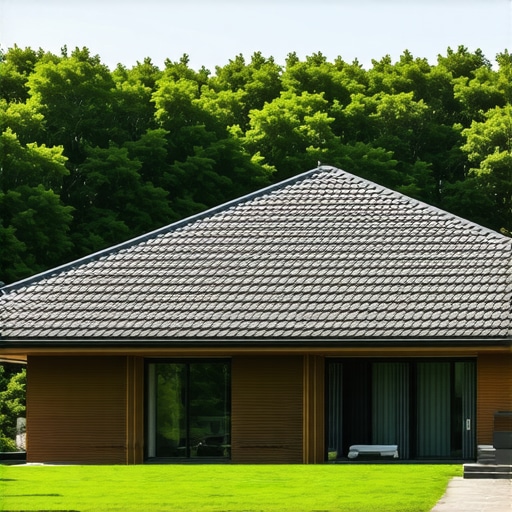
The Forensic Reality of the Desert Roof
Walking on that roof felt like walking on a field of dry corn husks. Every step was a crunch, a sharp, brittle sound that told me exactly what I was going to find before I even knelt down. This wasn’t just an old roof; it was a victim of the Southwest sun. In regions like Arizona and West Texas, the UV radiation doesn’t just hit your shingles—it cooks the life out of them. As a forensic roofer with over 25 years on the deck, I’ve seen thousands of squares of asphalt shingle turn into useless, gray crackers because the asphaltic oils evaporated into the ether. When those oils leave, the shingles lose their grip on the granules, the fiberglass mat becomes exposed, and the next ‘monsoon’ season turns your living room into a wading pool.
We are currently seeing a surge in what the industry calls ‘rejuvenation’ products. Most of it is marketing fluff sold by guys who couldn’t tell a cricket from a valley, but there is a specific science behind bio-based roof shingle sealants that deserves a hard look. These aren’t your typical petroleum-based glues. We are talking about soybean-derived oils and bio-solvents designed to penetrate the bitumen matrix. If you are tired of the ‘tear-off and replace’ cycle that costs a fortune and fills up landfills, you need to understand the physics of how these bio-sealants actually work at a molecular level.
“The roof is the most vulnerable part of a building’s exterior, subjected to the most extreme temperature fluctuations and environmental stresses.” — National Roofing Contractors Association (NRCA)
1. Molecular Restoration: Bringing the Bitumen Back to Life
To understand why bio-based sealants matter, you have to understand what an asphalt shingle actually is. It is essentially a fiberglass mat soaked in bitumen (asphalt) and coated in stones. That bitumen is packed with volatiles—oils that keep the shingle flexible so it can handle thermal expansion. When the desert heat hits 140°F in the attic, those oils migrate to the surface and evaporate. This is called ‘desiccation.’ Once the shingle is dry, it shrinks. That’s when you start seeing shingle curling or cracking.
Bio-based sealants, specifically those using soybean oil technology, use a mechanism called ‘maltene replacement.’ Maltenes are the light oils in asphalt. Bio-sealants have a low molecular weight, allowing them to seep deep into the dried-out asphalt layer. They don’t just sit on top like a coat of paint; they chemically integrate with the remaining bitumen. This restores the ‘self-healing’ properties of the shingle. If a small hailstone hits a rejuvenated shingle, the restored flexibility allows it to absorb the impact rather than fracturing like a piece of glass. If you’ve noticed shingle blistering, the window for this treatment is closing fast, but a timely application can stop the rot before it hits the plywood deck.
2. Granule Retention and the ‘Sandpaper’ Defense
Have you ever looked in your gutters and seen what looks like a mountain of colored sand? Those are your granules. Those stones aren’t there for looks; they are the armor that protects the asphalt from UV light. Asphalt is terrified of the sun. Without those granules, the sun breaks down the bitumen in months, not years. In the trade, we call a shingle without granules ‘bald.’ Once a shingle goes bald, it’s a ‘shiner’ waiting to happen—where nails start backing out because the structural integrity of the mat is gone.
Bio-based sealants act as a microscopic adhesive. When applied by professional roofing companies, the sealant flows around the base of each individual granule, locking it back into the asphalt matrix. It’s like putting a fresh coat of clear-coat on a car’s paint. By securing these granules, you are effectively maintaining the roof’s ‘albedo’—its ability to reflect heat. This is a massive part of lowering roof heat absorption, which keeps your AC from dying an early death in July. I’ve seen bio-sealants increase granule pull-off resistance by over 400% in lab tests, which is the difference between a roof that lasts 15 years and one that hits 25.
3. Structural Stabilization Against Thermal Shock
In the Southwest, the temperature swing from a 110°F afternoon to a 60°F night is brutal on roofing materials. This is ‘Thermal Shock.’ The shingles expand and contract rapidly. If they are brittle, they tear at the nail holes. This is why you see shingles flapping in a light breeze—the ‘pull-through’ resistance has failed. Bio-based sealants provide a secondary benefit by creating a semi-permeable membrane that regulates this expansion.
Unlike old-school coal tar sealants that turned into a hard, brittle shell, bio-sealants remain elastomeric. They move with the house. This is especially vital around complex areas like a loose roof valley or chimney flashing. By keeping the shingles supple, the sealant prevents the ‘tenting’ effect where the shingle lifts and allows wind-driven rain to move sideways through capillary action. Water is patient; it will find the one nail head that isn’t perfectly sealed. By stabilizing the entire field of shingles, you reduce the mechanical stress on those vulnerable penetration points.
“Design for the sun’s fury as much as the winter’s bite; a roof that cannot breathe or move is a roof that will fail.” — Architect’s Axiom
The Trap: Don’t Get Scammed by ‘Spray-and-Pray’ Crews
Now, here is the cynical veteran coming out: not every ‘eco-friendly’ spray is worth the plastic jug it comes in. There are plenty of ‘trunk slammers’ out there spraying watered-down acrylics and calling it rejuvenation. If a guy knocks on your door and says he can make your 30-year-old roof look new for $500, he’s lying. Real bio-based restoration requires a clean deck. You can’t spray over moss, lichen, or heavy dust and expect adhesion. It requires a forensic inspection to ensure the decking plywood isn’t already decaying. If the wood underneath is ‘oatmeal,’ no amount of soy oil on top is going to save you.
When hiring local roofers for this service, ask for the SDS (Safety Data Sheet) of the product. If it contains high levels of VOCs or petroleum distillates, it isn’t ‘eco-friendly,’ and it might actually damage certain types of synthetic underlayments. A true bio-based sealant is safe for your landscaping and your pets, and it doesn’t smell like a refinery for a week after application. It’s a surgical strike against aging, not a bucket of paint thrown at a problem.
Ultimately, the goal is to avoid the massive carbon footprint of a full tear-off. Asphalt shingles take 300 years to decompose in a landfill. If we can use bio-science to get another decade out of an existing roof, we aren’t just saving the homeowner fifteen grand—we’re keeping tons of oil-based waste out of the ground. But remember, the sealant is only as good as the man holding the spray wand. If he misses the flashings or ignores a ‘shiner’ nail, all the bio-oil in the world won’t keep your attic dry. Stop thinking about your roof as a static object and start treating it like a living system that needs hydration. That’s how you win the war against the sun.
[IMAGE_PLACEHOLDER]