
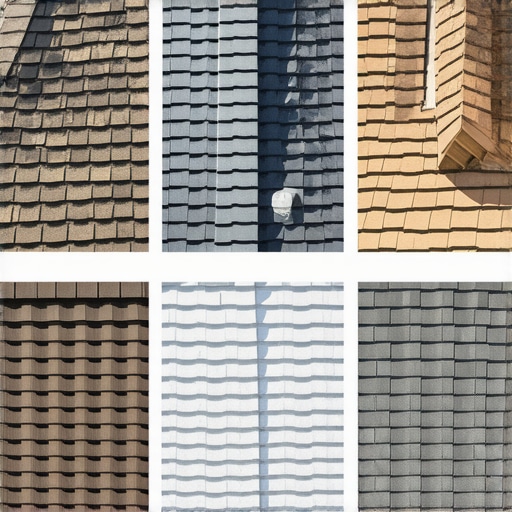
The Myth of the ‘Set It and Forget It’ Roof
If you think a residential roof is a static object, you’ve already lost the game. After twenty-five years of tearing off shingles that felt more like wet cardboard than roofing material, I can tell you that a roof is a living, breathing system—or at least it should be. Most homeowners treat their roof like a toaster; they expect it to work until it doesn’t. But in the humid, salt-heavy air of the Southeast, a roof isn’t just sitting there. It’s being chemically and mechanically attacked 24 hours a day. My old foreman used to pull me aside after a long day on a 10/12 pitch and say, ‘Water is patient. It will wait for you to make a mistake. It doesn’t need a hole; it just needs a microscopic path and enough time.’ That advice has saved more plywood decks from rotting into mush than any ‘lifetime’ marketing brochure ever has.
When we talk about extending the life of your asphalt shingles, we aren’t talking about magic sprays or miracle coatings. We are talking about physics. In our region, the enemy isn’t just the rain; it’s the thermal shock and the internal pressure of a poorly ventilated attic. If you want your 30-year shingle to actually last 30 years—and not start curling at year twelve—you have to address the mechanics of failure before they manifest as a puddle on your kitchen floor.
1. Master the Attic Climate: The Physics of Thermal Degradation
Most roofing failures I investigate don’t start on the outside; they start in the attic. During a Florida or Texas summer, an unventilated attic can hit 160°F. That heat doesn’t just sit there. It cooks the shingles from the underside, accelerating the evaporation of the essential oils in the asphalt binder. Once those oils are gone, the shingles become brittle, and the granules—the UV armor of your roof—start to slough off like dead skin. You need a balanced ventilation system. This means your intake (soffit vents) must match your exhaust (ridge vents). If you ignore this, you’re essentially putting your roof in a microwave. Using high-quality vent sealing techniques ensures that the air moves where it’s supposed to, pulling that moist, destructive heat out before it can bake your decking. Remember, a ‘shiner’ (a nail that missed the rafter) will act as a lightning rod for condensation in a hot attic, leading to localized rot that you won’t see until the shingle literally sinks.
“Proper ventilation is essential to prevent the accumulation of moisture and to minimize the temperature difference between the attic and the exterior air.” – National Roofing Contractors Association (NRCA)
2. The Underlayment Revolution: Moving Beyond 15-lb Felt
If your roofer is still using old-school organic felt paper, fire them. In a tropical climate, felt is a liability. It absorbs moisture, it wrinkles, and it can actually pull the shingles upward as it expands and contracts. To extend your roof’s life, you need a high-performance synthetic barrier. Modern synthetic felt pads offer superior secondary water resistance. Why does this matter? Because when a hurricane-force wind lifts a shingle tab—even just an inch—wind-driven rain is forced underneath via capillary action. A synthetic underlayment won’t rot or degrade when it gets wet, giving your shingles a stable foundation that doesn’t telegraph wrinkles through the finish layer. This stability prevents the premature cracking of the asphalt mat, which is the most common reason ‘local roofers’ get called back for leaks five years into a new install.
3. Combatting the Biological Invasion: Algae and Mold Management
Those black streaks on your roof aren’t just an aesthetic problem; they are Gloeocapsa magma, a cyanobacteria that feeds on the limestone filler in your shingles. As the bacteria eat the filler, the shingle loses weight and structural integrity. In the Southeast, this is a constant battle. To extend shingle life, you must prevent these colonies from taking hold. While many modern shingles come with copper granules, that protection wears off over time. You need to ensure your local roofers are checking for drainage issues that keep sections of the roof damp. Overhanging trees are the primary culprit, dropping organic debris that traps moisture and creates a petri dish on your roof. Keep the canopy back at least 10 feet. If the streaks are already there, don’t let a ‘trunk slammer’ hit it with a high-pressure washer. You’ll strip the granules and kill the roof in an afternoon. Use a soft-wash chemical treatment only.
4. The Valley Defense: Preventing Capillary Crawl
The valley is the most high-traffic area of your roof. It’s where the most water accumulates and where the most failures occur. I’ve seen hundreds of roofs where the shingles were cut poorly in the valley, allowing water to ‘tuck’ under the shingles on the adjacent slope. This is caused by hydrostatic pressure during heavy downpours. To extend the life of these critical junctions, ensure the flashing is seated perfectly and that a ‘cricket’ or diverter is used where the roof meets a vertical wall or chimney. If you notice loose valley seam flashing, it’s not just a minor repair; it’s an emergency. Water entering here will travel down the rafters, bypassing your insulation and rotting your fascia boards from the inside out. A properly flashed valley is the difference between a 20-year roof and a 10-year disaster.
“Flashing is the most vulnerable part of any roofing system and must be installed to allow for the natural expansion and contraction of materials.” – International Residential Code (IRC)
5. Selecting the Right Crew: The Safety and Quality Correlation
You might wonder how choosing a roofing company affects the physical life of a shingle. It’s simple: a crew that cuts corners on safety is a crew that cuts corners on the roof. If a contractor isn’t following building safety compliance, they aren’t checking the nail patterns either. An ‘over-driven’ nail—one that is punched through the shingle mat by a high-pressure pneumatic gun—will result in a shingle that blows off in the first 40-mph gust. An ‘under-driven’ nail will eventually back out, creating a ‘nail pop’ that punctures the shingle above it. You need a company that values precision over speed. A roof installed by a crew that understands ‘square’ and ‘pitch’ will always outlast a roof slapped together by day laborers with no oversight. When you hire, ask about their ‘shiner’ rate and how they handle high-wind fastener requirements. If they look at you blankly, move on. Your roof’s longevity depends on those 5,000+ nails being installed exactly where the manufacturer intended.
The Final Forensic Verdict
Extending shingle life isn’t about buying the most expensive material; it’s about respecting the physics of water and heat. In our climate, you are in a constant state of war with the elements. By focusing on attic ventilation, synthetic underlayments, biological prevention, precise flashing, and professional installation standards, you turn your roof from a liability into a fortress. Don’t wait until the ceiling starts sagging to think about your shingles. By then, the forensic evidence will be written in the rot of your rafters, and the price of ‘waiting’ will be triple the cost of maintenance. Stay off the ‘cheap’ path—it’s the most expensive route you can take.