
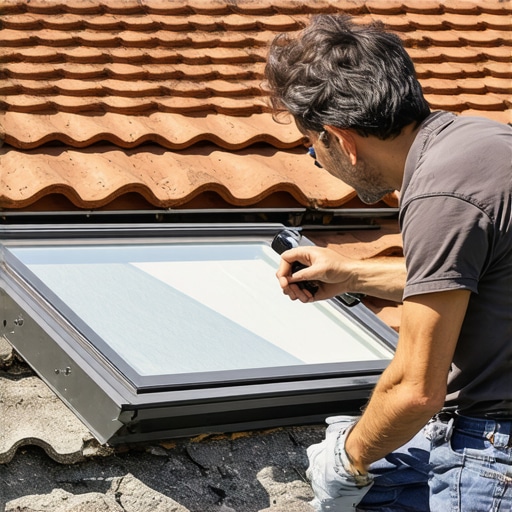
The 2 AM Drip: A Forensic Autopsy of the Skylight Failure
There is a specific sound that haunts homeowners in the Northeast—that rhythmic, metallic tink of water hitting a plastic bucket in the middle of a January thaw. You look up at your skylight, see the mahogany trim turning a dark, bruised purple, and assume the glass is broken. Most roofing companies will tell you that you need a whole new unit, but as a forensic investigator who has spent three decades on steep-slope decks, I can tell you that the leak is rarely where you think it is. In the cold, unforgiving climates of places like Boston or Buffalo, a skylight isn’t just a window; it’s a thermal bridge that challenges every law of thermodynamics. When you see water, you aren’t just looking at a hole; you’re looking at a failure of physics.
My old foreman used to say, ‘Water is patient. It will wait for you to make a mistake, and then it will wait ten years for that mistake to rot your rafters.’ He was right. Water doesn’t just fall; it migrates. It uses capillary action to climb uphill under shingles, and it uses hydrostatic pressure to push through the smallest pinhole in a gasket. Before you call the first local roofers you find on a search engine, you need to understand the ‘why’ behind the wetness. This isn’t just about a roof inspection; it’s about a forensic autopsy of a failing system.
“A roof is only as good as its flashing, and a skylight is 90% flashing.” – Old Roofer’s Adage
1. The Curb Elevation and the ‘Ice Dam’ Trap
In the North, we deal with the dreaded ice dam. A skylight is a massive heat leaker. Even the best triple-pane units allow more BTU loss than an insulated R-60 attic. This heat warms the shingles directly above the unit, melting the snow. That meltwater runs down, hits the colder eaves, and freezes. But there’s a second, more insidious mechanism at play right at the skylight curb. If your roofing professional didn’t build a proper cricket (a small peaked diverter) on the upslope side of a wide skylight, water pools behind the frame. During a freeze-thaw cycle, this pool turns to ice, expands, and lifts the shingles right off the deck. This is called ‘shingle lifting,’ and it’s the primary entry point for 90% of skylight leaks. You need to check if the ice and water shield was lapped up the sides of the curb at least six inches. If they just papered up to the wood, you’re living on borrowed time. If you suspect your shingles are already compromised, you should look for signs of hidden shingle lifting before the next storm hits.
2. The Capillary Draw: Examining the Step Flashing
Most ‘trunk slammer’ contractors try to seal a skylight with a five-gallon bucket of plastic roof cement. That’s a death sentence for your roof. Real local roofers use step flashing—individual L-shaped pieces of aluminum or copper woven between every single course of shingles. The forensic check here is simple: look for ‘shiners.’ A shiner is a nail that was driven too close to the center of the flashing channel. In the winter, that nail head gets cold, moisture from the attic condenses on it, and it drips. It looks like a roof leak, but it’s actually a ventilation and fastening error. Furthermore, water can be pulled sideways under the shingle through capillary action if the flashing isn’t ‘hemmed’ or if it’s too narrow. If your valley or side-wall flashing is failing, you might see loose roof valley seam flashing issues that mimic a skylight leak but are actually originating feet away.
3. The Condensation Mirage vs. The Physical Leak
I’ve walked onto countless jobs where the homeowner was convinced the seal was blown, only to find out the roof was perfectly tight. In cold climates, the ‘leak’ is often just interior humidity. When your 140°F attic air (or even 70°F house air) hits that cold glass, it turns to liquid. This water runs down the rafters and pools on the drywall. If your roofing companies didn’t properly insulate the ‘light tunnel’ or if there is an attic bypass (an air leak) near the skylight, you’re creating a rainstorm inside your own home. Check the gaskets. Are they brittle? Do they feel like old plastic instead of supple rubber? If the gaskets are dry-rotted, the glass-to-frame seal is gone. This is where you see moisture trapped in insulation, which eventually turns your plywood into something resembling wet oatmeal.
“The International Residential Code (IRC) requires skylights to be mounted on a curb at least 4 inches above the roof plane in high-snow areas to prevent hydrostatic head pressure from forcing water under the counter-flashing.” – IRC Section R308.6
4. The Diverter and the Debris Dam
Look at the top of your skylight. Is there a pile of pine needles or oak leaves? This is a ‘debris dam.’ It holds moisture against the metal flashing, leading to galvanic corrosion (if using mixed metals) or simple rot. In the Northeast, those needles freeze into a solid block, forcing water to back up under the head flashing. A forensic investigator looks for staining on the underside of the roof deck. If you see black streaks on the plywood when you’re in the attic, the water is overtopping the flashing. This is often a sign that you need to evaluate if a full tear-off is necessary, as the deck might be structurally compromised from years of slow-motion saturation.
5. The Fastener Fatigue: Thermal Expansion Stress
Everything on your roof moves. In a single day, a skylight can go from 20°F to 110°F. This thermal expansion causes the metal flashing to grow and shrink. If the local roofers pinned the flashing too tightly with ‘shiners’ or didn’t allow for movement, the metal will eventually buckle or ‘oil-can.’ This buckling creates a gap where wind-driven rain can blow in. During your roof inspection, press on the flashing. If it feels bouncy or if you see gaps between the metal and the curb, the seal has been compromised by mechanical stress. You can’t just squirt caulk in there; you have to reset the flashing. If the damage has reached the structural rafters, you must act fast to identify rotted rafter tails or sagging decking.
The Cost of the ‘Quick Fix’
I once investigated a home where the owner had ‘saved’ $500 by hiring a guy who promised to seal the skylight with a ‘space-age’ liquid membrane. Two years later, I was standing in his living room looking at a collapsed ceiling. The liquid membrane had trapped moisture inside the wood, accelerating the rot. Don’t be that guy. When you talk to roofing companies, ask them about their flashing detail, not just their price. A real pro will talk to you about ‘back-panning’ and ‘counter-flashing,’ not just tubes of Geocel. If you are worried about your current contractor’s shortcuts, check out these signs your roofing company is cutting corners. A skylight is a hole in your most important defense; treat it with the technical respect it deserves, or the sky won’t be the only thing you’re seeing through your ceiling.