
The Forensic Autopsy: Why Your Rafter Tails Are Turning to Mush
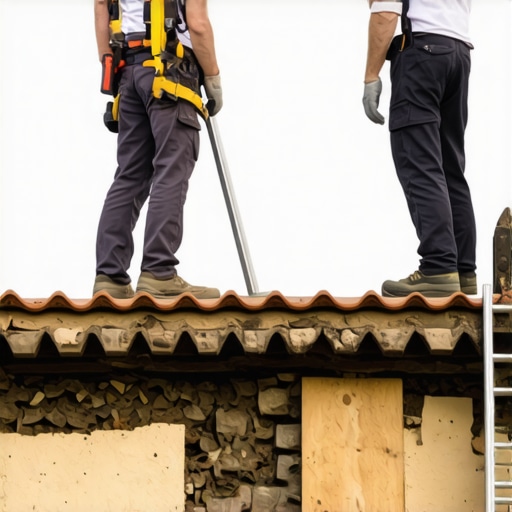
Walking on that roof felt like walking on a sponge. I knew exactly what I’d find underneath before I even pulled my hammer from the loop. The client in Houston complained about a ‘soft spot’ near the eaves, but the reality was far grimmer. As I peered under the drip edge, the smell of fermented wood hit me—a sour, earthy stench that only 25 years in the trade teaches you to hate. The rafter tails, those vital structural fingers that hold up your roof’s overhang, weren’t just wet; they were pulpy. You could stick a screwdriver through them like a hot knife through butter. This wasn’t a ‘leak’ in the traditional sense; it was a systemic failure of the roof’s drainage physics.
In the Southeast, we don’t just deal with rain; we deal with atmospheric water that wants to live inside your lumber. When local roofers skip the small stuff—like the kick-out flashing or a proper shingle overhang—water doesn’t just fall into the gutter. It clings. Through a process called capillary action, water defies gravity, creeping upward and backward, saturating the end-grain of your rafters. Once that end-grain is wet, it acts like a straw, pulling moisture deep into the heart of the wood. This is how a simple gutter clog turns into a structural nightmare that requires a full crew and a heap of new lumber.
“A roof is only as good as its flashing, and the flashing is only as good as the man who bent it.” – Old Roofer’s Adage
The Physics of the ‘Wick’ Effect
To understand the fix, you have to understand the failure. Most roofing companies will tell you the gutters were full. That’s the symptom, not the cause. The cause is often a missing or improperly installed drip edge. In our tropical climate, the surface tension of a downpour is immense. Without a crisp, metal edge to break that tension, water curls around the fascia board and heads straight for the rafter tails. If you’ve noticed [rotted fascia boards], you can bet your last square of shingles that the rafter tails are next in line for the rot. This moisture trap is exacerbated by our 90% humidity, which prevents the wood from ever truly drying out. Once the fungi take hold, they eat the lignin in the wood, leaving behind a brittle, brown-rotted mess that can no longer support the weight of the roof deck.
Fix 1: The ‘Sistering’ Procedure (Structural Reinforcement)
When the rot hasn’t traveled past the wall line, we perform what we call ‘sistering.’ This isn’t just slapping a board next to a bad one. We first have to excavate the rot, treating the remaining wood with a borate solution to kill any lingering fungal spores. We then take a new, pressure-treated structural member and bolt it directly to the healthy portion of the existing rafter. We use galvanized carriage bolts, not just ‘shiners’ or nails that will pop out in three years. This transfers the load from the compromised tail to the new sister board. If you ignore this, you’ll eventually see the [rafters sag], which is a much more expensive fix involving internal bracing and hydraulic jacks.
Fix 2: The ‘Scab’ and Fascia Integration
If the damage is purely cosmetic—meaning the rot is limited to the very tip where the fascia attaches—we use a ‘scab’ fix. We cut back the rafter tail to sound wood, usually at a 45-degree angle to increase the surface area for the bond. We then install a new block of wood, often wrapped in a synthetic membrane to prevent future ‘wicking.’ This is the surgical approach. It requires precision so that the new fascia line stays perfectly straight. A hack will just nail a block on and walk away; a pro ensures the birdsmouth cut is still doing its job. During this process, we often find [decking plywood decay] that needs to be addressed simultaneously to ensure the entire eave is monolithic and strong.
Fix 3: The Full Rafter Tail Replacement
Sometimes, the rot is so advanced that sistering won’t cut it. The ‘forensic’ evidence usually shows the rot has traveled 24 inches or more up the rafter, past the top plate of the wall. In these cases, we have to perform a partial tear-off. This involves removing the shingles, starter strip, and decking to expose the entire rafter. We cut out the diseased section and ‘splice’ in a new rafter using a heavy-duty plywood gusset or a steel flitch plate. This is ‘major surgery.’ It’s the kind of work that separates legitimate roofing companies from the guys with a ladder and a dream. If your roof has reached this point, you are likely looking at [4 signs you need a full tear-off] because the structural integrity of the perimeter is gone.
“The International Residential Code (IRC) R905.2.8.5 requires a drip edge shall be provided at eaves and gables of shingle roofs to prevent water from entering the roof assembly.” – IRC Building Code
Fix 4: The Preventative Overhaul (Drip Edge & Gutter Delta)
The best fix is the one that prevents the rot from returning. We don’t just fix the wood; we fix the water’s path. This means installing a heavy-gauge, D-style drip edge that extends at least 2 inches back onto the deck and drops down deep into the gutter. We also look at the ‘cricket’ or water diverters if there are chimneys or gables nearby that are dumping excess water onto that specific eave. We ensure the gutters are hung with a slight pitch—not so much that they look crooked, but enough that the water moves. If water sits in the gutter, it’s just a pool of rot-juice waiting for the next wind-driven rain to push it back into your rafter tails.
The Cost of Hesitation
I’ve seen homeowners wait because they ‘don’t see a leak in the ceiling.’ By the time the water reaches your ceiling, it has already traveled through your shingles, underlayment, decking, and rafters. The rafter tails are the ‘canary in the coal mine.’ They are exposed, vulnerable, and critical. If you see the paint peeling on your fascia or the soffit vents looking rusty and damp, call someone who knows how to use a moisture meter, not just a sales pitch. In the world of forensics, the evidence doesn’t lie. A rotted rafter tail is a sign of a roof that is losing its battle with the elements. Fix the wood, but more importantly, fix the physics of your roof’s edge before the whole system fails you during the next hurricane season.