
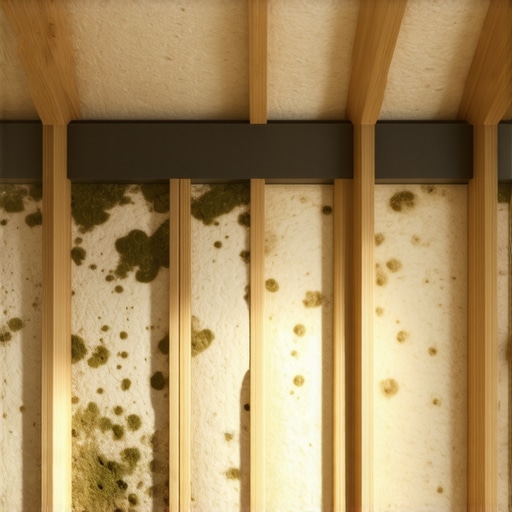
The Squish Test: A Forensic Look at Saturated Attic Insulation
Walking on a roof shouldn’t feel like navigating a marsh, but that is exactly what I encountered last November on a project in Syracuse. The shingles looked decent from the ladder, but the moment my boots hit the deck, there was a sickening, rhythmic ‘thud-squish.’ I knew immediately what I was looking at before I even cracked the hatch to the attic. This wasn’t a simple shingle failure; this was a systemic breakdown of the home’s thermal envelope. When roofing companies talk about a ‘complete system,’ most homeowners hear a sales pitch. What I hear is the physics of moisture management. If your insulation is holding water, your roof isn’t just a lid—it’s a wet blanket that is slowly rotting your structural integrity from the inside out.
Moisture trapped in insulation is a silent killer because it often bypasses the usual ‘drip on the kitchen table’ warning sign. Instead, it operates through capillary action and vapor drive. In colder climates, warm, humid air from your shower or kitchen migrates upward. If your attic lacks a proper seal, that moisture-laden air hits the cold underside of your roof deck. This is where the Dew Point becomes your worst enemy. The gas turns to liquid, drips into your fiberglass or cellulose, and stays there. Because insulation is designed to trap air, it is also incredibly efficient at trapping water. Once saturated, the R-value drops to near zero, and your heating bills skyrocket while your rafters start their slow descent into decay.
“Underlayment and insulation must work in tandem to prevent interstitial condensation, which is often mistaken for a primary roof leak.” – Modern Roofing Standards
1. The ‘Attic Rain’ Phenomenon (Condensation on Fasteners)
One of the most damning signs I look for during a forensic inspection isn’t the insulation itself, but the ‘shiners.’ A shiner is a nail that missed the rafter and is sticking out of the plywood deck into the attic space. In a moisture-compromised attic, these nails act as heat sinks. On a 20-degree morning, those nails are freezing. When warm house air hits them, they ‘sweat.’ Over time, this condensation drips directly into the insulation below. If you see rusted nail heads or dark rings around the fasteners in your attic, you have a moisture problem that local roofers need to address before the wood begins to delve into structural failure. This moisture often leads to hidden attic mold, which can compromise the air quality of the entire home.
2. Compressed and Clumpy ‘Oatmeal’ Insulation
Fiberglass batts are supposed to be fluffy. That ‘loft’ is what provides the R-value by trapping stagnant air. When moisture enters the equation, the weight of the water collapses the fibers. I’ve seen 12-inch thick insulation compressed down to a three-inch mat of grey sludge. If your insulation looks like wet oatmeal or has a dark, dusty crust on top, it’s been damp for a long time. This isn’t just an efficiency issue; it’s a weight issue. Wet insulation can weigh five times more than dry material, putting unnecessary stress on your ceiling joists. If you notice your ceiling sagging, you need to check for sagging rafters or decking immediately.
3. The Smell of a Forest Floor in Mid-July
Your attic should smell like dry wood and dust. If you open the hatch and get hit with a pungent, earthy, or musty odor—similar to a pile of wet leaves—you are smelling active fungal growth. Moisture trapped in insulation creates a perfect petri dish. Since the insulation is often tucked into the eaves, it blocks the soffit vents, cutting off the very airflow that could dry it out. This lack of ventilation is a primary reason why decking plywood decay occurs so rapidly. Without a way for the moisture to escape, the wood fibers of your deck absorb the water, lose their cross-grain strength, and eventually turn into a sponge.
4. Ghosting and Staining on the Interior Ceiling
Sometimes the moisture doesn’t come from a hole in the roof, but from the insulation itself reaching its saturation point. This leads to ‘ghosting’—dark streaks on your ceiling that follow the line of the joists. This happens because the wet insulation against the joist creates a thermal bridge, making that spot colder than the rest of the ceiling. Dust and soot in the air are then attracted to those cold, damp spots. If you see these lines, or yellowish ‘tide marks’ in the corners of your rooms, your insulation is likely holding a reservoir of water. At this point, a simple patch won’t work; you are looking at a full forensic tear-off to remove the contaminated material. You should also check for hidden shingle lifting, which might be the external culprit allowing water to seep into the thermal layers.
“A roof is only as good as its flashing, but a home is only as healthy as its attic ventilation.” – Old Roofer’s Adage
Fixing these issues requires more than just throwing a tarp over a leak. It requires an understanding of how air moves. Often, the solution involves properly sealing attic vents or installing a more robust ridge vent system to ensure that the ‘stack effect’ pulls moisture out before it can settle. If you suspect your insulation is compromised, don’t wait for the ceiling to fall. Hire local roofers who understand the science of the roof deck, not just how to bang nails. The cost of replacing a few squares of insulation is nothing compared to the cost of replacing a rotted structural ridge or remediating a house full of mold.