
The Deceptive Simplicity of the Shingle
Most homeowners look up at their roof and see a sea of color—maybe a weathered wood or a charcoal gray. They think they are looking at a cosmetic choice. I look up and I see a hydraulic management system that is either functioning or failing. My old foreman used to say, ‘Water is patient. It will wait for you to make a mistake.’ After 25 years of tearing off roofs that were barely ten years old, I can tell you that those mistakes almost always start with the pattern. When you hire local roofers, you aren’t just paying for the material; you are paying for the geometry of the install. If that geometry is off by even an inch, the physics of the Northeast winter will find that gap and exploit it until your plywood feels like a wet sponge.
“A roof is only as good as its flashing.” – Old Roofer’s Adage
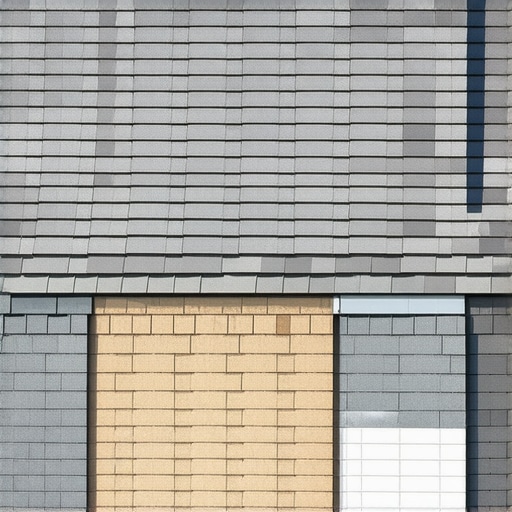
In regions like the Northeast, where ice dams and thermal bridging are constant threats, the shingle pattern isn’t about aesthetics—it is about water shedding. When a shingle is laid, it relies on the ‘offset’ or ‘stagger’ to ensure that the vertical joints between shingles do not line up. If they do, you’ve created a direct highway for gravity to pull water straight to the underlayment. We call this a ‘straight-up’ leak path. It is the hallmark of ‘trunk slammers’—contractors who prioritize speed over the basic laws of physics.
[image_placeholder]
Tip 1: The Science of the Six-Inch Offset
The first rule of residential roofing is the stagger. Most architectural shingles require a specific offset—usually between five and eight inches. This isn’t a suggestion; it’s a mechanical requirement. Mechanism zooming reveals why: as rain hits a shingle, it doesn’t just run off the front. Capillary action pulls a thin film of water sideways under the edges. If the vertical joint of the shingle above is too close to the joint below, that water travels horizontally and finds the nail head, or what we call a ‘shiner.’ A shiner is a nail that was driven through the wrong part of the pattern, often because the crew was rushing the layout.
When these shiners get wet, they rust. In the winter, they conduct cold. In a poorly insulated attic, that cold nail head hits warm, moist air leaking from the house—thanks to poor roof deck ventilation—and it starts to drip. This isn’t a leak from the outside; it’s a condensation leak caused by a failure in the thermal envelope, but it starts with a nail placed in the wrong spot because the pattern was lazy. If you are interviewing roofing companies, ask them specifically about their offset pattern. If they look at you like you have three heads, show them the door.
Tip 2: The Foundation of the Starter Strip
You can’t build a straight wall on a crooked foundation, and you can’t lay a water-tight roof on a bad starter strip. The starter strip is the first row of material at the eave. It has to be shifted so that its joints do not align with the first course of shingles. I’ve seen hundreds of jobs where the ‘pros’ just used a standard shingle turned upside down. This is an amateur move. A true professional uses a dedicated starter with a factory-applied sealant strip at the very bottom edge. This creates a bond that prevents wind uplift. If the pattern of that first row is off, the first high-wind event will result in shingle lifting, which leads to water being driven under the eave by the wind.
“The International Residential Code (IRC) requires that shingles be installed in accordance with the manufacturer’s instructions, specifically regarding fastener placement and pattern offsets to maintain wind resistance.” – IRC Section R905.2.4.1
In my experience, the failure of the starter pattern is why you see shingles sitting in the yard after a storm while the neighbors’ roofs are fine. It is the difference between a roof that is just ‘there’ and a roof that is integrated into the structure. Using high-quality fiberglass shingles won’t save you if the pattern of the starter doesn’t provide the necessary ‘overlap’ to protect the roof deck edges. The pattern must account for the drip edge and ensure that the water is directed away from the fascia, not behind it where it can rot the wood before you even notice.
Tip 3: The Geometry of the Valley
The valley is where the most water flows, and it is where the shingle pattern gets complicated. You have two main choices: the ‘closed-cut’ or the ‘woven’ valley. The woven valley looks great but can be a disaster in cold climates because the shingles create a ‘bridge’ that traps ice and debris. I prefer a closed-cut valley using a heavy-gauge metal liner. The pattern here is vital. The shingles from the smaller roof plane must cross the valley first, and then the shingles from the larger plane are cut back about two inches from the centerline. This creates a clear ‘channel’ for water to flow.
If the pattern is wrong—if the shingles aren’t cut back far enough or if they are nailed too close to the center—you’ve essentially built a dam. Water will back up under the shingles, and through hydrostatic pressure, it will push past the overlaps. If you aren’t sure if your valley is done right, look for loose valley flashing or shingles that seem to be ‘floating’ near the center. A bad pattern here is a ticking time bomb for your ceiling. I always tell homeowners to check who the crew actually is; ask questions about subcontractors to ensure the guys on the roof actually understand these geometric requirements and aren’t just paid by the square.
The Warranty Illusion and the Trade Truth
Don’t let a ‘Lifetime Warranty’ lull you into a false sense of security. Read the fine print. Those warranties are almost always voided if the shingle pattern does not follow the manufacturer’s ‘Exposure and Offset’ instructions. If your local roofers didn’t snap chalk lines and just ‘eyeballed’ the pattern, they likely voided your protection on day one. A roof is a massive investment. It is the only thing standing between your family and the elements. When I walk a roof and see the pattern is off-kilter, I don’t see a few crooked shingles; I see a system that is under constant stress, fighting a war against gravity that it is destined to lose. Insist on a pattern that respects the physics of water, and you might actually get the thirty years out of your roof that you were promised.