
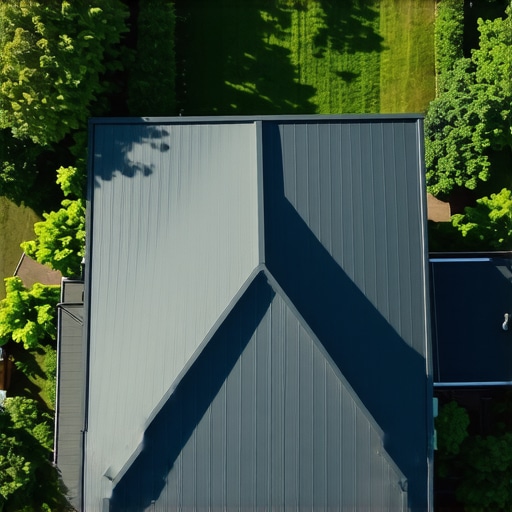
The Sun is Not Your Friend: A Forensic Look at Thermal Ruin
I have spent twenty-five years crawling through attics that felt less like residential spaces and more like the inside of a wood-fired kiln. When a homeowner calls me because their AC is running twenty hours a day, they usually expect me to tell them they need a bigger unit. They are wrong. Most roofing companies treat a roof like a hat—something you just throw on and forget. But a roof is a thermal valve. If that valve is stuck open, you are bleeding money into the atmosphere while the sun slow-cooks your structural timber. My old foreman, a man who could spot a shiner from fifty paces, used to tell me, ‘Water is patient, but the sun is relentless. Water waits for a gap, but the sun creates its own.’ He was right. In the blistering Southwest heat, the sun doesn’t just sit there; it attacks the chemical bond of your shingles, turning flexible petroleum products into brittle, cracked potato chips through a process called outgassing. This is where thermal energy loss starts, and if you don’t address it, you’re not just losing money; you’re losing the integrity of your home.
“A roof system must be designed to manage heat flow, air flow, and moisture flow simultaneously to prevent premature material failure.” – National Roofing Contractors Association (NRCA) Guidelines
1. High-Albedo Materials and the Physics of Reflection
The first way to stop the bleed is to change how the roof interacts with photons. Most standard asphalt shingles are thermal sponges. They have a high ‘absorptance’ rating, meaning they soak up the sun’s radiation and hold onto it long after the sun has set. This is ‘thermal mass’ working against you. To fix this, we look at eco-friendly roofing options that utilize high-albedo granules. These are specifically engineered to reflect infrared radiation back into space. We aren’t just talking about ‘white roofs,’ though those are effective. Modern technology allows for ‘cool colors’ that look like traditional slate or charcoal but have a high Solar Reflective Index (SRI). When we talk about lower roof heat absorption, we are talking about preventing the ‘thermal soak.’ If the surface temperature of your roof is 160°F, that heat is going to move toward the 72°F air in your living room through conduction. By switching to a high-SRI material, you can drop that surface temperature by 50 degrees. This prevents the heat from ever entering the ‘stack’ of your roofing system. If you ignore this, you’ll start identifying shingle blistering within five years, as the trapped heat literally boils the oils out of the asphalt mat.
2. Dynamic Ventilation: The Bernoulli Principle in the Attic
Many local roofers will just slap on a few pot vents and call it a day. That is a recipe for ‘dead air’ pockets. To lower thermal energy loss, you need a balanced intake-and-exhaust system that utilizes the Bernoulli principle. Air needs to enter through the soffits (the intake) and exit through a continuous ridge vent. This creates a vacuum effect. As wind blows over the peak of the roof, it creates a low-pressure zone that sucks the hot, buoyant air out of the attic. Without this, your attic becomes a heat reservoir. I’ve seen local roofers forget to cut the slot in the decking before they install ridge vents, essentially leaving the house with no way to breathe. This trapped heat doesn’t just raise your bill; it causes ‘thermal shock.’ When the sun goes down and the temperature drops forty degrees in the desert, the shingles contract rapidly. If they’ve been baked all day, they lose their elasticity and start to ‘cup’ or ‘curl.’ A properly ventilated attic keeps the roof deck temperature closer to the ambient outdoor temperature, extending the life of every square of material you paid for.
“The attic space shall be ventilated with an unobstructed opening of not less than 1 square foot of ventilating area for each 300 square feet of attic floor area.” – International Residential Code (IRC) R806.1
3. Thermal Breaks and Radiant Barriers
The third method is often the most overlooked: the thermal break. Even with a cool roof and great vents, heat can still move through the rafters via conduction. This is called ‘thermal bridging.’ To stop this, we use radiant barriers—thin layers of highly reflective foil usually applied to the underside of the roof decking. This isn’t insulation; it’s a radiation shield. It reflects 97% of the radiant heat back toward the roof deck and out through the vents. When I do a forensic audit of a home with high energy bills, I often find that the roofing companies who did the last replacement ignored the ‘attic bypasses.’ These are small gaps around chimney flues or plumbing stacks that allow conditioned air from the house to leak into the attic, and hot attic air to leak into the house. By sealing these and adding a radiant barrier, you create a disconnected thermal system. If you have a complex roof with multiple gables, you must ensure you have a cricket installed behind the chimney to divert water, but also to ensure that the framing doesn’t create a ‘hot spot’ where air cannot circulate. Ignoring these details is why ‘cheap’ roofs end up costing three times as much over ten years in utility bills and premature repairs. A forensic look at a failed roof usually reveals that the contractor didn’t understand the physics of heat; they just knew how to hammer a nail. And speaking of nails, if you see a shiner—a nail that missed the rafter and is sticking through the plywood—it will act as a tiny thermal bridge, often collecting condensation and dripping onto your insulation, further destroying your R-value. Stop the heat at the source, or the source will eventually destroy your home. “