
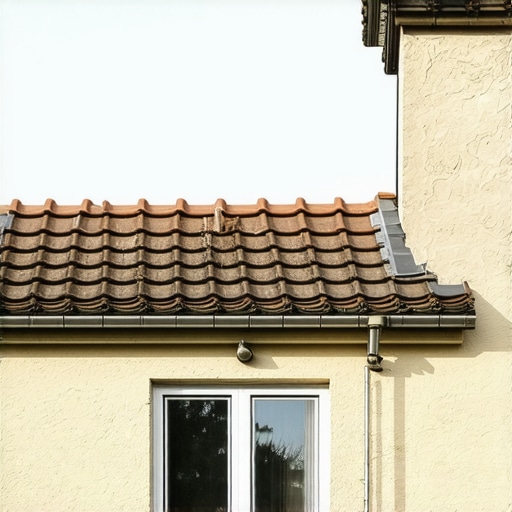
The Anatomy of a Silent Roof Killer: Hidden Shingle Lifting
Walking onto a roof in the humid, salt-heavy air of the Gulf Coast, you don’t always see the damage immediately. Everything looks fine from the curb. But then you feel it—that slight ‘give’ under your work boots, a rhythmic tapping that sounds like a deck of cards being shuffled by the wind. That is the sound of a roof that is technically still there but functionally dead. As a forensic roofer, I’ve spent twenty-five years peeling back the lies told by ‘pretty’ shingles to reveal the rot underneath.
My old foreman used to say, ‘Water is patient. It will wait for you to make a mistake, and then it will wait ten years for that mistake to turn into a paycheck for me.’ He wasn’t wrong. Shingle lifting isn’t always about a storm ripping tabs off; it’s about the slow, agonizing failure of the thermal bond. When that sealant strip fails, the shingle becomes a wing. And like any wing, it generates lift. Once air gets underneath, it starts a process of micro-fretting, slowly backing out nails and turning your primary defense into a sieve.
“A roof is only as good as its flashing and the integrity of its bond.” – Old Roofer’s Adage
1. The ‘Click-Clack’ Resonance and Sealant Strip Fatigue
The first sign of hidden lifting isn’t something you see; it’s something you hear. In high-wind regions like Florida or the Texas coast, the constant pressure differentials during a storm cycle put immense stress on the factory-applied sealant strip. If the original crew installed these in the late fall or if they were ‘dusty’ from the warehouse, that bond never truly fused with the shingle below it. During a roof inspection, we look for ‘unbonded’ tabs that look perfectly flat.
When you walk near them, the air displaced by your foot causes the shingle to slap against the deck. This is the ‘click-clack.’ Why does this matter? Because of capillary action. When a shingle is lifted even a fraction of an inch, surface tension allows wind-driven rain to be sucked upward under the shingle. It defies gravity. It crawls over the top of the shingle below it and finds the nail heads. Once it hits a shiner—a nail that missed the rafter or was driven crooked—the water follows the shank of the nail straight into your plywood. This is how you end up with hidden plywood delamination while the shingles still look brand new from the driveway.
2. The Ghosting Shadow: Tab Alignment Gaps
If you look at your roof during the ‘golden hour’—when the sun is low on the horizon—you might notice faint, horizontal shadows. These aren’t just textures; they are ‘ghosting’ lines. They indicate that the shingle tabs have developed a permanent ‘set’ in a slightly raised position. This happens because of thermal expansion and contraction. In the 150°F heat of a tropical summer, the asphalt softens. If the wind lifts it while it’s soft, it stays that way when it cools.
Local roofers often overlook this, dismissing it as ‘weathering.’ But a forensic eye sees the vulnerability. A lifted tab is a lever. Every time the wind blows, that lever pries at the fasteners. Eventually, the nail hole becomes enlarged—we call this ‘fish-mouthing’ the nail hole. Once the hole is bigger than the nail head, the shingle is no longer attached to the house; it’s just sitting there by gravity. If you suspect this is happening, you need to check the shingle pattern alignment to see if the courses are shifting, which is a precursor to a total blow-off.
3. The Granule ‘Gutter Sludge’ and Fastener Creep
Go look at your gutters. Are they filled with what looks like coffee grounds? That’s not just old age; it’s a sign of mechanical wear from lifting. When shingles aren’t bonded, they rub against each other like sandpaper. This constant friction sheds the protective granules, exposing the raw asphalt to UV radiation. UV is the enemy of any roofing company’s reputation. It ‘cooks’ the oils out of the asphalt, making it brittle.
Once the asphalt is brittle, the shingles can no longer flex. They crack at the ‘hinge’ point—the line where the shingle tries to lift but is still held by a nail. If you see a horizontal crack across the middle of your shingles, you aren’t looking at hail damage; you’re looking at fatigue failure from hidden lifting. At this point, you aren’t just looking for a patch; you might be looking for emergency leak storm patches because the next big wind will clear those shingles off like a deck of cards. You’ll likely find hidden rafter rot if this has been going on for more than a season.
“Water doesn’t need a hole; it just needs an invitation.” – International Residential Code (IRC) Commentary
The Forensic Fix: Beyond the Band-Aid
When I find these signs, homeowners always ask, ‘Can’t we just caulk them down?’ That’s what a ‘trunk slammer’ will tell you. But you can’t glue a dead shingle to a rotten deck. If the sealant has failed because of age or poor installation, the entire ‘square’—that’s 100 square feet in trade talk—is compromised. If you find yourself needing fixes for loose valley flashing or noticed the shingles are ‘fluttering’ near the eaves, you need a full forensic tear-off.
You have to look at the underlayment. Is it old-school organic felt that has turned into cornflakes, or is it a synthetic shingle felt that can actually hold a secondary water barrier? In high-wind zones, we don’t just nail shingles; we ensure the ridge vent sealing is airtight and the drip edges are locked down. If you ignore the signs of lifting, you’re not just risking a few shingles; you’re risking the structural integrity of your attic decking. I’ve seen roofs where the decking rafters sag because of long-term, slow-drip moisture entry caused by lifted shingles that ‘looked fine’ from the ground. Don’t wait for the ceiling to fall. Get a real pro who knows how to use a pry bar and a moisture meter, not just a ladder and a sales pitch.