
The Forensic Scene: Why Your ‘New’ Roof Looks Like a Coastal Disaster
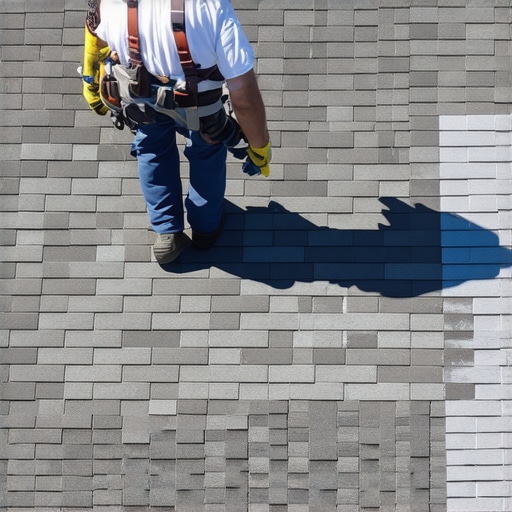
Walking on that roof felt like walking on a sponge, but that wasn’t the first thing I noticed. From the driveway of this Gulf Coast bungalow, I could see the ‘zippers.’ That’s what we call it in the trade when some cut-rate roofing companies line up shingle joints too closely, creating a vertical path for water. It was a 95-degree morning, the humidity was thick enough to chew, and I knew exactly what I’d find underneath. When I pulled a few tabs back, the plywood didn’t just have water stains; it had actual mushrooms growing in the seams. This wasn’t a material failure. This was a failure of geometry. If you don’t understand shingle pattern alignment, you aren’t a roofer; you’re just a guy with a hammer making expensive mistakes.
The Physics of Failure: How Misalignment Invites the Gulf Inside
In the Southeast, we don’t just get rain; we get horizontal water. When the wind hits 70 mph, water doesn’t fall; it crawls. It uses capillary action to move sideways under your shingles. If your local roofers didn’t offset the courses correctly, that water eventually finds a vertical seam. Once it hits that seam, it’s a straight shot to the underlayment and the decking. I’ve seen 20-year shingles fail in three years because the installer thought ‘close enough’ was good enough for the offset. It’s not just about aesthetics; it’s about creating a labyrinth that water can’t navigate. If you’re noticing odd patterns from the street, you might want to start spotting shingle lifting early before the next tropical depression rolls through.
“Shingle strips shall be offset by a sufficient distance to prevent the alignment of vertical joints in adjacent courses, ensuring the shedding of water.” – International Residential Code (IRC) R905.2.7
Tip 1: The ‘Six-Inch Rule’ and the End of the Zipper
The biggest mistake I see in residential roofing today is ‘racking.’ This is when a contractor installs shingles straight up the roof in a column to save time. It’s fast, sure, but it’s a death sentence for the roof’s integrity. The standard for a 3-tab or architectural shingle is usually a five or six-inch offset. When you ‘step’ the shingles—moving the first shingle of the next course over by half a tab—you ensure that no two vertical joints are anywhere near each other. This creates a staggered defense. If you see a vertical line of joints running up your roof, you have a ‘zipper.’ During a high-wind event, the wind gets under that line and peels the whole section off like a banana. This is often linked to hidden decking warps, as the moisture trapped in those aligned seams causes the plywood to swell and buckle over time.
Tip 2: The Starter Course Is the Anchor, Not an Afterthought
You’d be surprised how many ‘pros’ skip a proper starter course or, worse, use a regular shingle turned upside down without trimming the tabs. The starter course is what seals the first row of shingles to the eave. If the alignment of your starter course joints matches the joints of your first visible course, you’ve got a hole in your bucket. Water will run right off the roof, hit that first joint, and go straight onto your fascia board. I’ve replaced miles of rotten wood because of this one-inch mistake. In our humid climate, that moisture leads to rot faster than you can say ‘insurance claim.’ Some guys are moving toward self-adhering shingles for these starter rows to ensure a thermal bond that can withstand 130-mph gusts.
Tip 3: Chalk Lines Don’t Lie (Unlike Some Salesmen)
If a roofer tells you he can ‘eye’ a straight line across a 40-foot square, he’s lying to you and himself. The heat in the Southeast causes shingles to expand and contract significantly before they even hit the roof. If you don’t snap vertical and horizontal chalk lines, your pattern will eventually drift. A ‘drift’ of just half an inch per course can lead to a ‘shiner’—that’s a nail that’s exposed because the shingle above it didn’t cover the head correctly. In our salt-air environment, a shiner will rust through in a single season, creating a pinhole leak that will rot your rafters while you sleep. Every reputable roofing company should be using lines to maintain that perfect stair-step geometry. It’s the difference between a roof that lasts 30 years and one that becomes a forensic case study for me in 2028.
“The application of shingles shall be in such a manner that the water is directed away from the vertical joints.” – National Roofing Contractors Association (NRCA) Guidelines
The ‘Lifetime’ Mirage: Why Alignment Matters More Than Your Warranty
Don’t get me started on ‘Lifetime Warranties.’ Most homeowners think that paper protects them from everything. Read the fine print. If the installation doesn’t follow the manufacturer’s specific offset pattern—whether it’s a 4-inch, 5-inch, or ‘random’ offset—the warranty is as thin as the paper it’s printed on. When I do a forensic teardown, the first thing the manufacturer’s rep looks for is the pattern. If they see ‘racking’ or ‘zippers,’ they deny the claim instantly. You’re left holding the bag for a $20,000 replacement because your installer wanted to shave two hours off the job. This is why choosing a specialist over a general ‘trunk slammer’ is vital for your long-term sanity.