
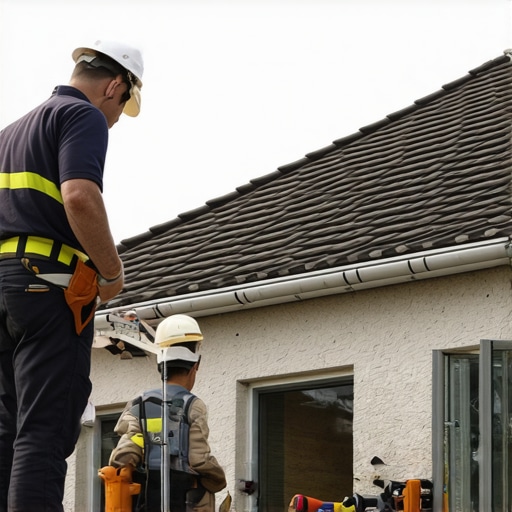
The Illusion of the White Truck and the Subcontractor Shell Game
You see the shiny white truck pull into your driveway. The salesman has a crisp polo shirt, a tablet, and a smile that suggests he’s never broken a sweat in a 115-degree attic. He talks about ‘quality,’ ‘integrity,’ and ‘lifetime warranties.’ But here is the secret that keeps most roofing companies in business: that man isn’t roofing your house. The crew that arrives at 6:00 AM on Monday morning likely doesn’t work for him. They are subcontractors, and in the scorching heat of the Southwest, the difference between a master craftsman and a ‘trunk slammer’ is the difference between a dry home and a total structural failure.
My old foreman, a man whose skin looked like weathered saddle leather and who had a permanent squint from forty years of Arizona sun, used to tell me, “Water is patient, but the sun is angry. It will wait for the subcontractor to miss one single nail, then it will cook the life out of your house until that hole is a canyon.” He was right. In our climate, thermal shock is the silent killer. When the roof hits 160 degrees at noon and drops to 65 at night, everything expands and contracts. If your local roofers aren’t accounting for that physics, your roof is a ticking time bomb.
“The roof is the most vital part of the building envelope, yet it is often the least understood by the owner and the most abused by the installer.” – Architecture Axiom
Before you sign a contract that commits you to thirty thousand dollars of debt, you need to conduct a forensic audit of who is actually doing the work. You aren’t just buying shingles; you are buying the labor that secures them. If you ignore the vetting process, you’ll eventually be searching for how to spot structural damage early when your ceiling starts to sag after a monsoon. Here are the three questions that will strip away the marketing fluff and reveal the truth about your roofing company.
1. Who Provides the Workers’ Comp and Liability Insurance for the Crew?
This is the “gotcha” question. Many roofing companies claim to be “fully insured,’ but that insurance often only covers their office staff and the salesman. The subcontractors they hire are often required to provide their own insurance. If those subs let their policy lapse—which happens more than you’d think in this high-turnover industry—and a worker falls off your 12:12 pitch roof, guess who is potentially liable? You. Your homeowner’s insurance becomes the primary target. Ask to see a current Certificate of Insurance (COI) that specifically names the subcontractor crew leader. If the company gets defensive, they are hiding a liability gap. When you are looking for how to find reliable roofing companies in 2026, the paper trail is your only shield.
2. Does the On-Site Foreman Speak the Trade and the Language?
Communication is where the physics of roofing fails. I’ve seen dozens of jobs where the salesman promised a ‘cricket’ (that’s a peaked diverter for those not in the trade) behind a wide chimney, but the crew on the roof didn’t get the memo. They just ran the shingles straight into the masonry. Result? A massive dam where pine needles and water collect, eventually rotting the plywood until it feels like wet oatmeal. You need to know if there will be a designated foreman on-site at all times who is an employee of the main company, not just a lead sub. If the crew can’t explain why they are using a specific nail pattern for thermal expansion, they shouldn’t be on your roof. This is why many roofing companies avoid out-of-state crews who vanish once the storm season ends.
3. What is the Specific “Shiner” Policy and Nailing Requirement?
Let’s talk about the “Shiner.” In the trade, a shiner is a nail that missed the rafter or was driven into the gap between plywood sheets. In the Southwest, these are lethal. A shiner acts as a thermal bridge. In the winter (yes, it gets cold here), warm air from your house hits that cold nail head in the attic, moisture condenses, and it drips onto your insulation. Over time, this leads to hidden decking plywood decay. You need to ask the company if they use a 4-nail or 6-nail pattern and how they inspect for missed fasteners. If the sub is rushing to finish three ‘squares’ (100 square feet) an hour to hit a bonus, they are going to leave shiners. A professional outfit will show you their detailed estimate which should include the specific brand of synthetic underlayment used to prevent the shingles from baking onto the wood.
“The bitterness of poor quality remains long after the sweetness of low price is forgotten.” – Benjamin Franklin
The Physics of the Desert Roof
In the Southwest, we don’t just deal with rain; we deal with UV degradation that turns standard felt paper into brittle crackers in less than five years. If your contractor is using cheap organic felt underlayment because their subcontractors are trying to save ten bucks a roll, you are in trouble. You want synthetic. You also want to ensure they aren’t just slapping new shingles over old ones. I’ve seen ‘re-roofs’ where the heat trapped between the two layers reached 180 degrees, liquefying the asphalt and causing the shingles to slide right off the deck. It’s a mess that smells like a tar pit and costs double to scrape off. Make sure your contract specifies a full tear-off. Don’t let them tell you a ‘lay-over’ is fine; in this heat, it’s a death sentence for your rafters. If you see signs of shingle lifting early, it’s often because the underlayment underneath has failed due to heat trapped by improper ventilation. Always demand a high-flow ridge vent to let that attic breathe. Without it, you’re just living in a slow cooker.
{“@context”:”https://schema.org”,”@type”:”HowTo”,”name”:”How to Vet Roofing Subcontractors”,”description”:”A guide for homeowners to ensure the crew actually installing their roof is qualified and insured.”,”step”:[{“@type”:”HowToStep”,”name”:”Verify Insurance”,”text”:”Request a Certificate of Insurance specifically for the subcontractor crew to avoid liability gaps.”},{“@type”:”HowToStep”,”name”:”Confirm Supervision”,”text”:”Ensure a company-employed foreman will be on-site to translate technical requirements to the crew.”},{“@type”:”HowToStep”,”name”:”Audit Installation Techniques”,”text”:”Ask for specific nail patterns and the use of synthetic underlayments to handle regional thermal expansion.”}]}