
The Dining Room Drip: Why Your Ceiling Is Only the Last Chapter
You’re sitting at the dinner table in Houston or maybe coastal Florida, and a single, brown-tinted drop of water hits your mashed potatoes. Most homeowners call local roofers and ask for a quick patch. They think it’s a shingle problem. They’re wrong. By the time that water has bypassed the shingles, saturated the underlayment, soaked through the 7/16-inch OSB decking, and traveled down a roof truss to your ceiling drywall, you aren’t looking at a leak. You are looking at a forensic crime scene. As someone who has spent 25 years pulling up ‘quick fixes’ only to find the skeleton of the house turning into wet cardboard, I can tell you: the damage you see is nothing compared to the damage you feel.
The Forensic Scene: Walking on a Sponge
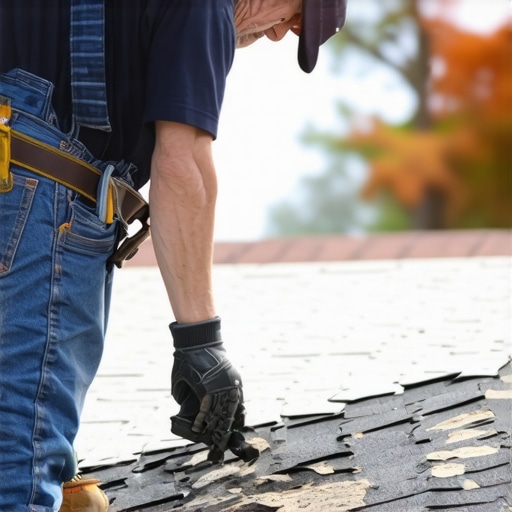
Walking on that roof felt like walking on a sponge. I knew exactly what I’d find underneath. It was a job in a high-humidity coastal town, and from the ground, the roof looked okay—a bit of algae staining, maybe a few lifted corners. But as soon as my boots hit the first square (that’s 100 square feet for the uninitiated), the deck deflected. It didn’t just creak; it gave way by nearly two inches. When we tore the shingles back, the plywood didn’t even require a pry bar. We picked it up in handfuls. The wood fibers had completely delinked because of chronic, slow-motion moisture intrusion that the homeowner ignored because they didn’t see a ‘big’ leak. This is why you need to understand structural roofing before your house starts folding in on itself.
“A roof is only as good as its flashing.” – Old Roofer’s Adage
The Physics of Failure: How Water Crawls
In the Southeast, we don’t just deal with rain; we deal with wind-driven liquid saws. Water doesn’t just fall; it uses capillary action to climb. If your local roofers didn’t install a proper cricket behind your chimney, water pools there. Through surface tension, that water finds the smallest gap in the flashing and begins to ‘wick’ sideways. Once it hits the end grain of your decking, it acts like a straw. This is where hidden decking plywood decay starts. You won’t see it on your ceiling for years, but the structural integrity is being eaten from the inside out by white rot fungi that thrive in the 100-degree attic soup of a tropical summer.
Spotting the ‘Shiner’ and Other Skeleton Keys
Sometimes the damage isn’t from the outside. It’s from a ‘shiner.’ That’s trade talk for a nail that missed the rafter and is just hanging out in the attic space. In high-humidity zones, that cold nail head acts as a condensation point. Every night, it drips. Over five years, that single shiner can rot out a six-inch radius of your structural decking. If you see rusted nail heads in your attic, you have signs of improper roof nailing that are actively compromising your home’s bones. You also need to look at your ridge lines. Is the peak of your roof perfectly straight, or does it look like a swayback horse? A sagging ridge usually means the rafters or trusses are spreading or rotting at the plate, often caused by poor ventilation that bakes the wood until it loses its load-bearing capacity. If you see this, you need to know what to do if attic decking or rafters sag immediately before the dead load of the roof becomes a living nightmare.
The Tropical Trap: Algae and Rotted Rafter Tails
In the South, people ignore those black streaks on their roof, thinking it’s just ‘dirt.’ It’s actually Gloeocapsa magma, an algae that eats the limestone filler in your shingles. But the real structural threat is at the edges. When your drip edge is installed incorrectly—or not at all—water rolls off the shingle and curls back under to the fascia board. This leads to rotted rafter tails. If the tips of your rafters are soft, the entire gutter system will eventually pull away, taking the structural ‘eave’ with it. This is why a simple inspection of your failing soffit can tell you more about your roof’s health than looking at the shingles from the driveway.
“The building shall be kept in good repair and shall be moisture-tight.” – International Residential Code (IRC)
The Surgery: Why Caulk Is a Crime
I see it every week: a homeowner hires a ‘trunk slammer’ roofing company that smears a tube of silicone over a leaking valley. That is a Band-Aid on a gunshot wound. If the structural decking is soft, the nails won’t hold. If the nails don’t hold, the shingles lift in the next wind event. True roofing services involve surgery. You have to cut out the rot. If you find chimney flashing is about to leak, you don’t caulk it; you rip it out, check the wood underneath for ‘oatmeal’ consistency, replace the substrate, and re-flash it with stainless steel or copper in salt-air environments. Anything less is just hiding the decay until the next hurricane proves how weak your structure really is.
The Cost of Waiting: Geometry Doesn’t Lie
A roof is a system of triangles. Triangles are the strongest shape in geometry, but they rely on rigid connections. When moisture enters the joints where your rafters meet the ridge beam, the ‘triangle’ begins to fail. The weight of the shingles starts pushing the walls of your house outward. This is structural damage that costs tens of thousands to fix, yet it starts with a $200 maintenance oversight. Don’t let a local roofing company tell you it’s ‘just a leak.’ If they aren’t looking at the decking, they aren’t looking at the roof. Demand a forensic approach. Look for the signs of wood stress, the ‘tears’ in the underlayment, and the smell of damp cellulose. Your roof is the lid on your most valuable box; make sure the lid isn’t dissolving.