
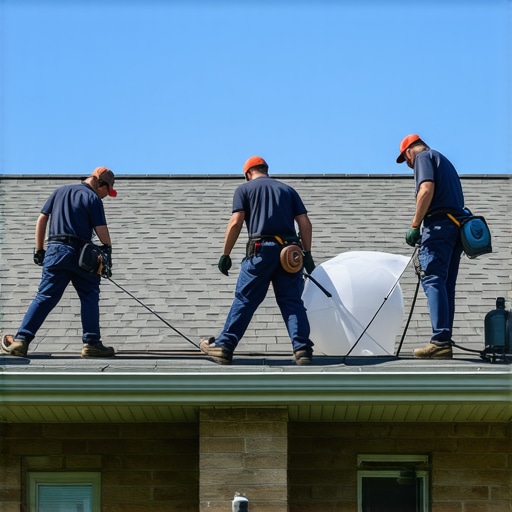
The Black Streak Plague: Why Your Roof Looks Like a Crime Scene
I’ve spent the better part of thirty years hauling my boots across scorching 140-degree roof decks in the humid Southeast, and if I had a nickel for every time a homeowner asked me why their expensive ‘white’ shingles were turning black, I’d be retired on a boat in the Keys right now. Most folks think it’s soot, or maybe dirt from the road. It isn’t. You’re looking at a biological invasion. Specifically, Gloeocapsa magma. This hardy little bacteria doesn’t just sit on your roof; it eats it. My old foreman used to say, ‘Water is patient. It will wait for you to make a mistake.’ And that’s exactly what these algae streaks represent—a mistake in material choice or maintenance that allows moisture to linger just long enough for the bacteria to take root.
“Asphalt shingles shall be designed for use in the climate in which they are installed.” – International Building Code (IBC) Section 1507
1. The Limestone Buffet: Stop Feeding the Beast
The first thing you need to understand is that modern shingles are packed with limestone filler. Manufacturers do this to add weight and durability without the cost of pure asphalt. To a roofing company, it’s a cost-saving measure. To algae, it’s a five-course meal. These bacteria thrive by consuming the calcium carbonate in that limestone. As they grow, they develop a dark, pigmented outer coating that protects them from UV radiation—that’s the black streak you see. The fix isn’t just scrubbing; it’s selecting shingles infused with copper granules. When it rains, the copper ions are released and wash down the slope, creating a toxic environment for the bacteria. If you’re seeing these stains early, you might have been sold a ‘standard’ shingle in a tropical zone that required ‘AR’ (Algae Resistant) rated materials. This is why local roofers who understand regional climate are worth their weight in gold compared to the guys who just buy whatever is on sale at the big-box store.
2. The Zinc Strip Strategy: Gravity as Your Ally
If you aren’t ready for a full tear-off and replacement, you need to look at the ridge. Installing a 99% pure zinc or copper strip just below the ridge cap is a classic trade secret. It works through a process of slow-release chemical mitigation. Every time the dew settles or a storm rolls through, the water reacts with the metal, creating a biocidal solution that coats the roof. This inhibits the growth of the biofilm. However, I’ve seen ‘trunk slammers’ install these with galvanized nails that cause a galvanic reaction, eating a hole right through the metal in six months. Always use stainless steel fasteners in high-salt, high-humidity environments. If you ignore the small details, you’ll eventually deal with hidden decking decay because the algae biofilm holds moisture against the shingles, preventing them from drying out and eventually rotting the plywood beneath.
3. The Pressure Washing Death Sentence
Here is where I get cynical. I see companies advertising ‘Roof Cleaning’ with high-pressure wands. If you see a guy walk toward your house with a pressure washer, tell him to get off your property. Asphalt shingles are covered in ceramic-coated granules that protect the bitumen from UV rays. A pressure washer acts like a sandblaster, stripping those granules away and leaving your roof ‘bald.’ Once the granules are gone, the sun bakes the asphalt, it cracks, and you’ve just turned a cosmetic stain into a $15,000 replacement. If you want to know why you should never pressure wash your shingles, just look at the ‘shiner’—those missed nails—that start to rust once the protective layer is blasted off. Instead, use a soft-wash system with a bleach-based solution approved by the ARMA (Asphalt Roofing Manufacturers Association).
“A roof is only as good as its flashing.” – Old Roofer’s Adage
4. Correcting the Microclimate: Airflow and Shade
Algae loves the north-facing slope because it stays damp longer. If you have overhanging oak or maple branches, you’re creating a petri dish on your house. Trimming those back to allow at least six hours of direct sunlight is non-negotiable. Furthermore, poor attic ventilation keeps the roof deck warm from underneath, creating a ‘thermal bridge’ that prevents the exterior from cooling down and drying out. I’ve crawled into attics in the middle of July where the humidity was so high you could see the mold spores dancing in my flashlight beam. Proper ridge vents and soffit intake are essential. If your ridge vent is clogged with debris, you’re trapping heat and moisture. You can check for ridge vent clogging to ensure your roof can breathe. A roof that can’t breathe is a roof that will grow things you don’t want.
5. The Truth About ‘Lifetime’ Warranties
When you’re talking to roofing companies, they’ll throw the word ‘Lifetime’ around like it’s candy. Read the fine print. Most manufacturer warranties cover ‘manufacturing defects’ but specifically exclude ‘environmental factors’ like algae or moss unless you paid for the premium AR-certified shingle. Even then, the algae resistance usually only lasts 10 to 15 years, while the shingle itself might last 30. If you’re seeing stains reappear after only a few years, it’s often a sign of poor installation or low-quality underlayment that is trapping moisture. I always recommend a synthetic underlayment over old-school organic felt because it doesn’t absorb water or provide a food source for microbes. Don’t let a contractor talk you into the cheap stuff just to hit a lower bid; you’ll be paying for it in ‘green’ stains by year three.
Ultimately, stopping algae is about moisture management. From the way you nail your starter strip to the type of metal you use in your valleys, every decision either helps the roof shed water or helps it hold it. If you’ve got stains, don’t ignore them. That biofilm is the first step toward shingle lifting and wind damage. If you’re in a storm-prone area, spotting shingle lifting early can save your entire interior from the next big blow. Stop the growth, fix the ventilation, and keep the water moving off the deck. That’s how you keep a roof for thirty years instead of fifteen.