
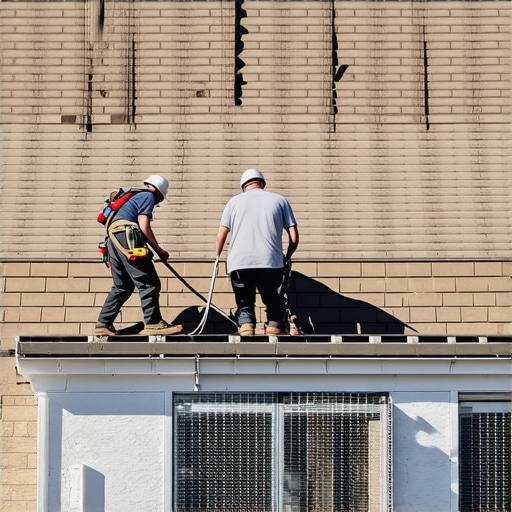
The Smell of a Dying Attic: A Forensic Autopsy of the Clogged Ridge
The first thing that hits you when you walk into an upstairs hallway in a house with a failing ventilation system isn’t the heat—it’s the smell. It is a heavy, cloying scent of stagnant air and wet sawdust. I’ve spent twenty-five years climbing ladders and peeling back shingles, and that smell is a death knell. Most homeowners think their roof is just a lid, a static shield against the rain. They couldn’t be more wrong. A roof is a breathing organism, and the ridge vent is its primary windpipe. When that windpipe gets choked with pine needles, dust, or the sheer incompetence of a ‘trunk slammer’ contractor, the house begins to suffocate from the top down.
In the cold Northeast, where a single square of shingles has to survive 90-degree humidity in July and 10-degree blizzards in January, a clogged ridge vent creates a thermal trap. During my years in the field, I’ve seen plywood decking that felt less like wood and more like wet oatmeal. It wasn’t a leak from the sky; it was a leak from the inside. Warm, moist air from the shower and the kitchen rises into the attic, hits the cold underside of the roof deck, and turns into dew. If the ridge vent isn’t pulling that air out, you’re essentially living in a Tupperware container. My old foreman, Salty Mike, used to stand on a 10-pitch roof, wipe the sweat from his brow, and growl, ‘Water is patient. It will wait for you to make a mistake, but air is a coward—if it can’t find the exit, it’ll just rot your house while you sleep.’
“A roof is only as good as its flashing and its ability to breathe.” – Old Roofer’s Adage
The Physics of the Clog: Why Your Attic is a Pressure Cooker
To understand why ridge vents fail, you have to understand Bernoulli’s principle. For a ridge vent to work, wind must blow across the peak of the house, creating a low-pressure zone that sucks air out of the attic. This only works if you have intake—usually at the soffits. But the clog is the silent killer. Imagine trying to breathe through a straw filled with sand. That is exactly what happens when shingle granules and environmental debris settle into the mesh of a cheap ridge vent. We often see residential roofing 3 signs of poor ridge venting that indicate the system has completely stalled. The result isn’t just a hot attic; it’s the microscopic movement of water via capillary action being pulled into the ‘shiners’—those missed nails—where they eventually rust and drip onto your insulation.
1. Replace External Mesh with Baffled Vents
The biggest mistake roofing companies make is using ‘roll-out’ mesh ridge vents. They look like a giant black Brillo pad. Sure, they’re cheap, but they are magnet for every piece of pollen and dust in the county. Within three years, the fine mesh becomes a solid wall of grit. Instead, professional local roofers who actually know their salt will install rigid, baffled ridge vents. These have an external ‘wind deflector’ that creates the necessary suction without relying on a porous filter that eventually clogs. If you’re seeing moisture on your rafters, check your vent type. It’s often the difference between a roof that lasts thirty years and one that needs a full tear-off in ten.
2. The ‘Shingle-Over’ Clearance Check
I once investigated a home in a wooded suburb where the homeowner complained of ‘leaking’ ridge vents. When I got up there, I realized the original installers hadn’t cut the slot wide enough. They’d cut a measly one-inch gap in the plywood decking. The International Residential Code (IRC) usually requires at least an inch on both sides of the ridge pole, but when you account for the vent’s internal structure, that gap needs to be precise. If the slot is too narrow, dust and debris have no place to go but to bridge the gap and seal the attic shut. You need a clean, consistent cut to ensure the Net Free Area (NFA) is maintained. If your contractor didn’t use a chalk line, you probably have a restricted airway.
3. Tree Management and the Perimeter Defense
If you have an oak or a white pine hanging over your ridge, you don’t have a roofing problem; you have a landscaping problem. Pine needles are the ultimate ridge vent killers. They have a serrated texture that allows them to hook into the baffles and weave a mat that effectively waterproofs the vent—from the wrong side. When the vent can’t exhale, the heat builds up so intensely that it can actually cook the shingles from the underside, causing ‘blistering.’ This is why we always recommend a ten-foot clearance between branches and the roofline. It’s not just about squirrels; it’s about airflow.
4. Managing Shingle Granule Shed
Every asphalt shingle loses granules over time. On a steep slope, these granules wash down into the gutters, but on the peak, they often get caught in the ridge vent’s throat. This is particularly bad on roofs where the shingles were over-driven during installation. When you see roofing services 5 signs of improper roof nailing, you’re also looking at a roof that is shedding granules at an accelerated rate due to mechanical stress. Those granules act like sandpaper, slowly eroding the vent structure and filling the gaps. Cleaning the ridge vent with a soft brush once every two years can prevent this sediment from hardening into a ‘roofing grout’ that seals the vent permanently.
5. Baffle Integrity and the ‘Snow-Block’ Prevention
In our climate, snow is a major factor. A poorly designed ridge vent will allow wind-driven snow to enter the attic. To combat this, some ‘trunk slammers’ will stuff the vent with extra foam. Congratulations, you’ve just turned off your ventilation. The key is a vent with a proper external baffle that forces the wind *up and over* the peak, creating a vacuum that pulls attic air out while keeping snow from blowing in. If your attic is showing signs of frost on the nail heads in winter, your ridge vent is either clogged or improperly baffled. This is where eco-friendly roofing 3 ways to lower attic energy heat loss comes into play—you can’t save energy if your attic is a frozen swamp.
“Ventilation is the most misunderstood part of the building envelope, and the most frequent cause of premature roof failure.” – National Roofing Contractors Association (NRCA)
The Forensic Reality: Band-Aids vs. Surgery
When a ridge vent is clogged, most local roofers will try to sell you a bucket of caulk or a quick brush-off. That’s a Band-Aid. If the mesh is saturated with dirt and granules, the only ‘surgery’ that works is a full replacement of the ridge vent units. It requires pulling the cap shingles, unscrewing the old units, and ensuring the decking slot is clear. It’s a messy job, and it’s why most roofing companies avoid it in favor of a full replacement. But if your shingles are still in good shape, don’t let them talk you into a $15,000 roof replacement when you really just need $800 worth of ventilation repair. You need to find a contractor who understands the difference between ‘functional damage’ and ‘cosmetic debris.’ If they don’t bring a moisture meter into your attic, they aren’t doing a real inspection.
Final Advice from the Roof Deck
Don’t wait until you see the mold on the ceiling. If your upstairs rooms are five degrees warmer than the downstairs, or if you see your neighbors’ roofs clear of snow while yours is still covered in ice, your ridge vent is likely gasping for air. Roofing isn’t just about hammers and nails; it’s about managing the invisible forces of air and moisture. Take care of your ridge vent, and it will take care of your rafters. Ignore it, and you’ll be calling me back in five years to replace a roof that should have lasted twenty.