
The Forensic Scene: Walking on a Sponge
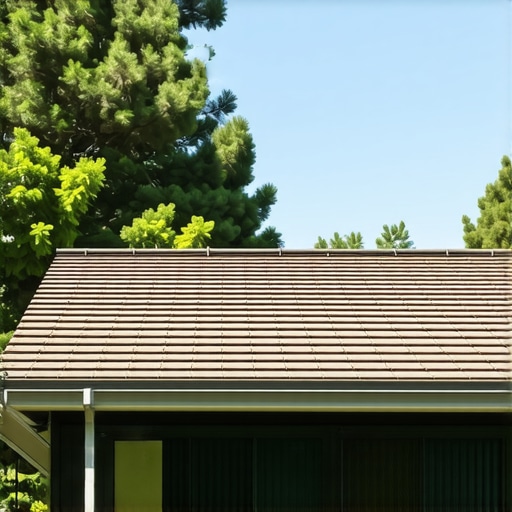
Walking on that roof in Mobile felt like walking on a damp sponge. I didn’t need to pull a single shingle to know what was happening underneath. The sun had beaten the life out of the asphalt, and the ‘protective’ granules were sitting in the gutters instead of on the roof. When I finally peeled back a square, the plywood was black with rot. It’s the same old story I see with local roofers who focus on speed over science. The shingles hadn’t just ‘gotten old’; they had biologically died because the petroleum oils that keep them flexible had baked out, leaving nothing but a brittle, thirsty mat that soaked up every afternoon rainstorm like a wick.
The Material Truth: Why Your Shingles Are Dying
Most roofing companies will tell you that a thirty-year shingle lasts thirty years. That’s a lie. In the humid heat of the Southeast, you’re lucky to get fifteen before the thermal shock and UV radiation turn your roof into a liability. Asphalt shingles are essentially a sandwich of fiberglass soaked in bitumen. The problem is that bitumen is a volatile hydrocarbon. From the second it’s nailed down, it starts off-gassing. Once those maltenes—the oils that provide flexibility—evaporate, the shingle shrinks. This creates a gap at the butt joints and allows water to use capillary action to travel sideways, eventually finding a shiner or a poorly driven nail to rot your deck. This is where the truth about cheap roofing materials becomes painfully obvious. If the material can’t move, it breaks.
“A roof is only as good as its flashing.” – Old Roofer’s Adage
Benefit 1: Molecular Re-Saturation and the End of Brittle Mat
Bio-based sealants aren’t just a top-coat; they are a deep-tissue massage for your roof. We’re talking about mechanism zooming here—don’t just think of it as paint. These sealants are often derived from soybean or vegetable esters that have a molecular structure small enough to penetrate the oxidized surface of the asphalt. When local roofing companies apply these bio-solids, the chemistry actually works to re-flux the bitumen. It replaces the lost maltenes, restoring the ‘creep’ and self-healing properties of the shingle. If a shingle can’t expand and contract when the attic hits 140°F, it’s going to crack. By re-saturating the mat, you stop the internal fracturing that leads to underlayment failure.
Benefit 2: Granule Retention via Bio-Polymer Bonding
The granules on your shingles aren’t there for looks; they are the sacrificial armor that protects the asphalt from UV light. Once you start seeing bald spots, the roof is on a fast track to the landfill. Standard petroleum sealants often create a plastic-like shell that eventually peels. Bio-based sealants, however, create a cross-linked polymer bond with the existing granules. [IMAGE_PLACEHOLDER] It’s like a microscopic glue that doesn’t get brittle in the sun. This is a massive win for homeowners dealing with shingle granule loss. By locking those granules in place, you’re maintaining the thermal barrier and keeping the underlying bitumen from cooking. Without that armor, the asphalt reaches its softening point, and that’s when you get ‘scuffing’ from just walking on it.
Benefit 3: Extreme Hydrophobic Defense Against Wind-Driven Rain
In our climate, rain doesn’t just fall; it gets pushed. Wind-driven rain can find its way into the tiniest void, especially around a chimney or a valley where the flashing might be aging. Bio-based sealants change the surface tension of the roof. Instead of water ‘sheeting’ and clinging to the edges, it beads up and sheds immediately. This prevents the ‘wicking’ effect where moisture is pulled under the shingle edges. Many hybrid coatings now use these bio-bases because they don’t wash off or emulsify when exposed to constant humidity. It’s the difference between a roof that just ‘sits there’ and a roof that actively repels water from the critical junctures like the cricket behind a chimney.
“The application of coatings should not be used to hide existing structural defects.” – NRCA Technical Manual
The Warranty Trap and the Bio-Based Solution
Don’t get sucked into the ‘Limited Lifetime Warranty’ marketing. Those warranties usually only cover manufacturing defects, not the natural ‘drying out’ of the shingle caused by the sun. When local roofing companies suggest a bio-based treatment, they are offering a way to bypass the planned obsolescence of the asphalt industry. It’s a forensic fix. Instead of a full tear-off—which generates massive waste and costs a fortune—you’re chemically extending the life of the existing system. However, you have to be careful. You can’t spray this stuff over a roof that already has ‘alligatoring’ or structural rot. You have to catch it while the mat is still intact but just starting to lose its oils. If you wait until you have a leak in the living room, you’re looking at a full replacement, not a rejuvenation.
How to Pick a Contractor for Bio-Applications
Most trunk slammers won’t touch bio-sealants because they want the big ticket of a full replacement. You need to find a specialist who understands the physics of the roof deck. They should be checking for proper ventilation first; if your attic is a furnace, no sealant in the world will save you from the heat-cook from below. Look for someone who uses high-pressure air to clean the shingles before application, ensuring the bio-oils actually hit the asphalt and don’t just sit on a layer of dust and pollen. A real pro will also check the valleys and the drip edge to ensure the foundation is solid before they start the ‘surgery’ of rejuvenation. In the end, roofing isn’t just about hammers and nails; it’s about managing the inevitable decay of materials in a hostile environment.