
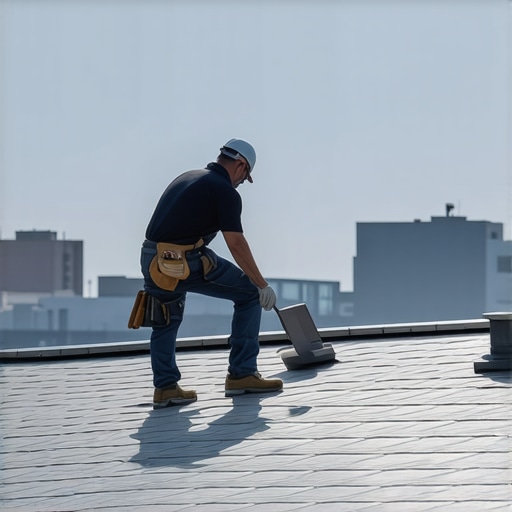
If you have been looking at your 2026 roofing estimates and felt your blood pressure spike, you are not alone. The sticker shock is real, and it is not just basic inflation. As someone who has spent twenty-five years crawling through fiberglass-filled attics and peeling back layers of rotted cedar shakes, I can tell you that the industry is hitting a tipping point. You are not just paying for shingles; you are paying for a massive shift in building science, labor scarcity, and the high cost of doing things the right way. My old foreman used to say, ‘Water is patient. It will wait for you to make a mistake.’ That mistake usually happens when you hire a ‘trunk slammer’ who quotes you half the price but ignores the laws of physics. In 2026, those physics are getting more expensive to manage.
The Petroleum Problem and Material Volatility
Most homeowners forget that an asphalt shingle is essentially a petroleum product. When the cost of crude oil and the refining processes for Styrene-Butadiene-Styrene (SBS) polymers fluctuate, the cost of every square (100 square feet) of roofing material follows suit. By 2026, we are seeing a massive surge in the demand for performance-grade shingles that can handle the volatile weather patterns of the North. We aren’t just installing basic organic mats anymore. We are installing complex fiberglass matrices coated in high-zinc granules to prevent algae and bonded with thermal-set adhesives. When local roofers order materials today, they are navigating a supply chain that has baked in a 15% increase just for logistics and fuel surcharges. If you ignore the underlying material quality, you are essentially buying a roof that will fail before the mortgage is paid off. You have to look at the 3 hidden costs local roofers often miss in 2026 quotes to understand why that ‘deal’ you found is likely a trap.
“A roof is only as good as its flashing.” – Old Roofer’s Adage
The Physics of the Cold Zone: Why Northern Roofs Cost More
In cold climates like the Northeast and the Great Lakes, the roof isn’t just a lid; it is a complex pressure-management system. The 20% price hike reflects new 2026 requirements for higher R-value insulation and air sealing. When warm air leaks from your living room into the attic—a process we call an attic bypass—it creates a nightmare scenario. That warm air hits the underside of the cold roof deck, creates condensation, and eventually leads to ice dams. This isn’t just a leak; it’s hydrostatic pressure. As the snow melts at the ridge and runs down to the eave, it refreezes, creating a pool of water that the roof was never designed to hold. This water is then pushed uphill under the shingles by capillary action. To prevent this, roofing companies must now use double layers of ice and water shield and ensure the intake and exhaust ventilation are perfectly balanced. If the math is off by even 10%, the roof will sweat, the plywood will turn to oatmeal, and you will be looking for local roofers for fixes for rotted roof decking within five years.
The Craftsmanship Crisis and The ‘Shiner’ Epidemic
The biggest driver of that 20% increase? Labor. Finding a guy who knows how to properly weave a valley or install a cricket behind a chimney is getting harder. Most crews today want to ‘rip and flip.’ They blow through a job in eight hours and leave behind dozens of shiners. A shiner is a nail that missed the rafter and is hanging exposed in your attic. During a cold snap, that nail acts as a thermal bridge, pulling moisture from the attic air and frosting over. When it thaws, it drips. It looks like a roof leak, but it is actually a failure of craftsmanship. In 2026, reputable roofing companies are paying their crews significantly more to ensure they follow the ‘six-nail rule’ and properly seal every penetration. You have to vet these companies harder than ever. I recommend checking out how to check local reputation before signing any contract. If you don’t pay for the skill now, you will pay for the forensic investigation later when your ceiling is on your dining room table.
“Roofing systems shall be designed and installed in accordance with this code and the manufacturer’s installation instructions.” – International Residential Code (IRC)
The Warranty Trap: Marketing vs. Reality
Every contractor in 2026 is going to pitch you a ‘Lifetime Warranty.’ As a forensic investigator, that phrase makes my skin crawl. Most of those warranties are prorated and only cover material defects, not ‘acts of God’ or, more importantly, poor installation. If the local roofers don’t install the drip edge exactly to spec or if they use the wrong type of starter strip, that lifetime warranty is worth less than the paper it’s printed on. The 20% price increase you see from top-tier contractors often includes a manufacturer-backed labor warranty. This means the manufacturer actually sends an inspector to the site to verify the nail patterns and the flashing details. It is expensive because it shifts the risk from you to them. You should learn how to compare 2026 warranties safely so you aren’t fooled by glossy brochures that hide the fine print. Often, the most expensive quote is actually the cheapest over twenty years because it doesn’t require a total tear-off in year seven due to poor roof flashing.
The Fix: How to Navigate 2026 Estimates
Don’t just look at the bottom line. Look at the scope of work. Does the quote include a new chimney cricket? Are they replacing the step flashing, or are they just ‘re-gooping’ it with cheap caulk? A real pro will explain the physics of your specific home. They will talk about the ‘Delta-T’ (the temperature difference) between your attic and the outside. They will show you where the previous crew cut corners. If a contractor doesn’t mention ventilation or ice and water shield, they aren’t a roofer; they are a shingle-installer. There is a massive difference. In 2026, the goal isn’t to get the cheapest roof; it’s to get the last roof you’ll ever need. If you see a price that is 20% higher than last year, it’s because the cost of preventing a catastrophic failure has gone up. Pay for the surgery, not the Band-Aid. Your home’s structural integrity depends on it. Be sure to watch for 7 signs your 2026 roof inspection was incomplete to ensure you are getting the full picture before the first nail is driven.