
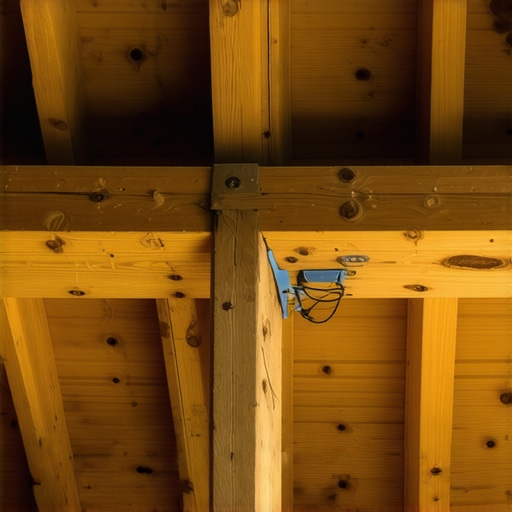
The Forensic Autopsy of a Silent Roof Killer
Walking on that roof felt like walking on a sponge. I knew exactly what I’d find underneath. It wasn’t just the standard leak from a botched chimney cricket or a few shiners in the valley. There was a specific, sickening give to the deck—a hollow crunching sound that tells a veteran roofer the structural integrity of the home has been compromised from the inside out. In the humid, heavy air of the Southeast, where the moisture levels rarely drop below the threshold of a steam room, termites don’t just stay in the soil. They climb. They find the smallest failure in your secondary water resistance and turn your roof into a five-star buffet. Many homeowners call local roofers thinking they have a simple leak when, in reality, they are looking at a full-scale forensic reconstruction because they ignored the early warning signs of termite infiltration.
The Physics of Failure: How Termites Reach Your Rafters
Most people think termites are a foundation problem. They’re wrong. Subterranean termites are moisture-seeking missiles. In our tropical climate zones, moisture often gets trapped behind the fascia board or at the attic joint seals due to poor ventilation or wind-driven rain pushing past the starter strip. Once the wood stays damp, it emits a pheromone-like scent that signals dinner to a colony. They use capillary action—the same force that pulls water up through a straw—to exploit tiny cracks in your masonry or siding, building mud tubes that act as protected highways straight to your roof deck. If you’ve got a leak that you’ve ignored for a season, you haven’t just invited mold; you’ve invited an army. By the time you see the drywall sagging, the termites have likely already hollowed out a significant number of squares of your decking. Understanding how to identify hidden plywood rot is often the first step in catching these pests before they migrate to the structural spine of the house.
“The roof shall be constructed to provide a complete weather cover for the structure… and all wood shall be protected from moisture and wood-destroying organisms.” – International Residential Code (IRC), Section R903.1
Identifying the Signs: Beyond the Visible Surface
You can’t just stand on the ground and look up with a pair of binoculars to find this damage. You have to get in the ‘vitals.’ A forensic roof inspection requires entering the attic during the heat of the day. If you smell something acrid—like damp earth mixed with rotting vegetation—you aren’t just smelling old insulation. You’re smelling termite frass and the moisture they bring with them. Look specifically at the rafters where they meet the top plate of the wall. If you see ‘mud’ packed into the corners of the timber, that’s a subterranean termite tunnel. Take a flathead screwdriver and poke the wood. If it goes through with the pressure of a thumb, your roof is functionally dead. This isn’t a scenario for a DIY patch; you need to understand how to handle unforeseen wood rot before the entire ridge collapses. Another dead giveaway is ‘swarming’—finding discarded wings near your gable vents. Termites are clumsy fliers; they lose their wings once they find a mate and a food source. If those wings are in your attic, the food source is your house.
The Mechanism of Destruction: Why It Costs So Much to Wait
Termites don’t eat the glue in plywood; they eat the layers of wood between the resin. This creates a ‘delamination’ effect that is much more dangerous than simple rot. When the structural load of the roof—which can be thousands of pounds of shingles and underlayment—is sitting on hollowed-out plywood, the tension is transferred entirely to the fasteners. But guess what? Termites love the moisture that accumulates around steel nails. Over time, the nails lose their grip, leading to shingle lifting during the first minor windstorm. If you notice a sudden dip in your roofline—a ‘swayback’ look—you are likely dealing with attic decking and rafters that sag because the internal cellulose has been stripped away. At this point, you aren’t just replacing shingles; you’re rebuilding the skeleton of the roof.
“A roof is only as good as its flashing, and its flashing is only as good as the wood it is nailed to.” – Old Roofer’s Adage
The Fix: Band-Aids vs. Surgery
I see it all the time: a homeowner hires a ‘trunk slammer’ to slap a new layer of shingles over termite-damaged wood because it’s cheaper. That is professional negligence. You cannot nail into oatmeal. If you find termite damage during an inspection, you have to perform ‘surgery.’ This means a full tear-off down to the rafters. Every piece of compromised wood must be removed and replaced with pressure-treated lumber that can resist future attacks. You also need to address the moisture entry point. Is the valley flashing loose? Is the chimney leaking? If you don’t fix the water, the bugs will come back. This is why many smart homeowners realize that hiring a specialist roofer is the only way to ensure the structural repair is done to code. Don’t let a roofing company tell you they can just ‘seal it up.’ If there’s active damage, those bugs are trapped inside and will continue to eat until there’s nothing left but the granules on your shingles.
How to Protect Your Investment for the Long Haul
Prevention is about two things: moisture control and clearance. First, ensure your gutters are clean and draining away from the house. Clogged gutters overflow, saturating the fascia and the soffit, creating a bridge for termites. Second, keep a minimum of six inches of clearance between any wood and the soil. If your siding goes all the way to the dirt, you’re giving them a hidden staircase. Finally, get a professional inspection once a year, specifically focused on the roof’s ‘wet zones’—the valleys, the flashing around vents, and the area behind the chimney. Catching a termite infestation in the first few months might cost you a few hundred dollars in wood replacement. Waiting three years could cost you the entire house. Roofing companies that know their trade will always check for these signs during a standard maintenance visit. Stay vigilant, stay dry, and keep the soil away from the shingles.