
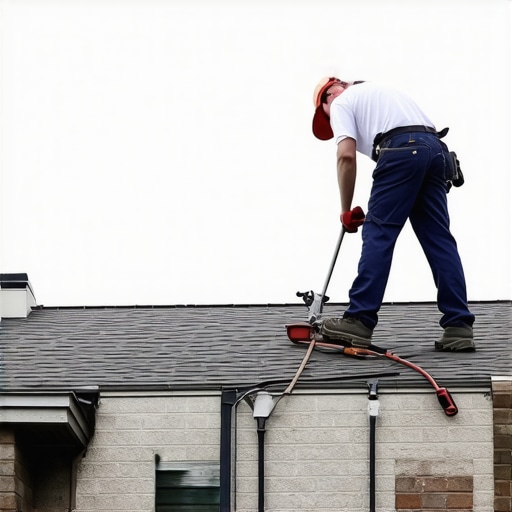
The Sound of the Sky Falling: A Forensic Look at Hail Damage
Walking on a roof after a Texas-sized hail storm has a specific sound. It is not the solid thud of a healthy deck; it is a crunch, like walking on a layer of spilled granola. That sound is the ceramic granules—the only thing protecting your asphalt from the sun—being ground into the matting. I once stood on a roof in Plano where the hail had been so violent it didn’t just bruise the shingles; it actually punched clean through the decking like a ball-peen hammer through a piece of drywall. The homeowner was told by a door-knocker that everything was fine. I knew exactly what I would find the second I stepped onto the ladder. Underneath those ‘fine’ shingles, the plywood was already weeping from the first post-storm drizzle. This is the reality of hail: it is a patient killer.
The Physics of the Punch: Why ‘Cosmetic’ is a Lie
When most people think of hail damage, they look for holes. If they don’t see a hole, they think they are safe. But roofing is about physics, specifically kinetic energy. A one-inch hailstone falling from a height of 30,000 feet carries enough force to shatter the fiberglass matting inside an asphalt shingle without even leaving a visible mark on the top. This is what we call a ‘latent fracture.’ Over the next six months, the 140-degree Southwest sun will bake that shingle. Because the internal structure is broken, the asphalt will expand and contract at different rates, eventually ‘scabbing’ off. By the time you see the leak, your insurance window is closed.
“A roof system’s performance depends on the integrity of its components and how they interact.” – NRCA (National Roofing Contractors Association) Manual
Tip 1: The ‘Soft Metal’ Forensic Trail
Before you ever look at a shingle, look at the accessories. Local roofers who know their salt always check the ‘soft metals’ first. This includes the aluminum box vents, the lead pipe jacks, and especially the gutters. If a hailstone is big enough to dent the heavy-gauge metal of a furnace cap, it is big enough to compromise the integrity of a 30-year shingle. Check the downspouts. If you see a pile of granules at the bottom of your splash block that looks like a miniature sand dune, your roof just lost five years of its life in twenty minutes. When vetting roofing companies, ask them if they use chalk to highlight these metal hits. If they just glance at the shingles and give you a quote, send them packing. They are looking for a quick paycheck, not a forensic truth.
Tip 2: The ‘Bruise and Fracture’ Squeeze Test
To the untrained eye, a hail hit looks like a dark spot. To a forensic inspector, it is a localized failure of the bitumen. You need to perform the ‘squeeze test.’ Find a suspected hit—a circular indentation where the granules are missing—and apply firm pressure with your thumb. If the area feels soft or spongy, the matting underneath is fractured. This is a structural failure. Water will eventually use capillary action to pull itself through that fracture and into your roof deck. This leads to the kind of hidden shingle lifting that causes slow-motion rot in your rafters. You aren’t just looking for missing pieces; you are looking for compromised density. This is why you need roofing companies that actually send an inspector, not just a salesman with a drone.
Tip 3: The ‘Shadow’ Inspection—Check the Shiners and Crickets
Hail rarely hits straight down. It usually comes in at an angle, driven by the wind. This means one slope of your roof might be decimated while the other looks brand new. You need to check the ‘hidden’ areas. Look at the valley seam flashing and the crickets—those small peaked structures behind chimneys designed to divert water. If hail has dented the flashing, it creates ‘ponds’ where water sits. In the Southwest, the heat causes that standing water to boil and then freeze at night, a process of thermal shock that rips through sealants. Also, look for ‘shiners’—nails that were driven crookedly and have been popped up by the vibration of the hail hits. A shiner is a direct highway for water to enter your attic.
“Water is patient. It will wait for you to make a mistake.” – Old Roofer’s Adage
Navigating the Insurance Storm
The biggest trap after a storm is the ‘free roof’ promise. In many states, it is illegal for a contractor to waive your deductible, and for good reason. If they are willing to commit insurance fraud to get the job, imagine what they will do on your roof when you aren’t looking. They will skip the starter course, reuse old drip edges, and ignore the shingle blistering that was already happening. Dealing with an adjuster is a chess match. You need a contractor who can speak the language of ‘functional damage’ versus ‘cosmetic damage.’ Your insurance policy might have an exclusion for cosmetic issues, but a mat fracture is NEVER cosmetic. It is a failure of the building envelope. If your roof has suffered significant hits per ‘square’ (a 100-square-foot area), you are entitled to a full replacement. Don’t let a ‘trunk slammer’ convince you that a few patches will suffice. If you have an emergency leak after the storm, get a professional tarp job immediately to mitigate damage, as most policies require you to prevent further loss.