
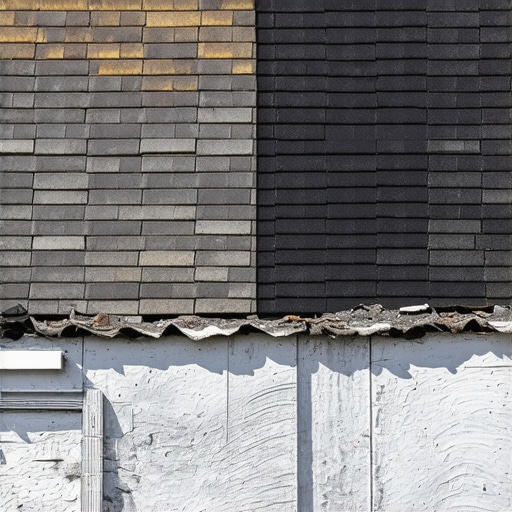
The Anatomy of a Failing Spine: A Forensic Look at Ridge Vent Sealant Failure
Walking onto a roof in a climate like Minneapolis or Chicago in mid-winter tells you more about a roofer’s skill than any marketing brochure ever could. I’ve spent twenty-five years crawling through attics that felt like saunas and walking on roof decks that felt like wet cardboard. Walking on that roof felt like walking on a sponge. I knew exactly what I’d find underneath before I even pulled my hammer. The homeowner thought they had a shingle problem; what they actually had was a physics problem. Their ridge vent—the very thing meant to let their house breathe—had been installed by a ‘trunk slammer’ who didn’t understand the first thing about hydrostatic pressure or capillary action.
When we talk about residential roofing, the ridge vent is the literal spine of your home’s defense system. It’s the highest point, the exit valve for every cubic inch of hot, moist air generated by your showers, your cooking, and your breath. But if that vent isn’t sealed correctly, it becomes an open invitation for disaster. It’s not just about a ‘leak’ in the traditional sense; it’s about a slow-motion structural homicide. Local roofers who rush through the ridge installation are essentially leaving your attic’s back door unlocked during a storm. In the North, this isn’t just a nuisance—it’s the primary driver of ice dams and thermal bridging that ruins your R-value and rots your rafters from the inside out.
“Ventilation of the attic space is required to prevent the accumulation of moisture and to reduce the temperature of the roof deck.” – International Residential Code (IRC) R806.1
Sign 1: The ‘Shiner’ Rust and Attic Condensation
The first sign of a poorly sealed ridge vent doesn’t always show up on the shingles; it shows up on the nails. In the trade, we call a missed nail a ‘shiner.’ When a ridge vent isn’t seated and sealed with the right gasket or sealant, warm air doesn’t just exit—it swirls. This creates a micro-climate where warm, moist air from the house hits the cold underside of the roof deck. If you see rusted nail heads protruding through the plywood in your attic, you’re looking at condensate failure. This moisture acts like a magnet for mold. If you don’t catch it early, you’ll be looking for signs of hidden decking plywood decay before the next season ends. The physics is simple: water vapor moves from high pressure (your warm house) to low pressure (the cold outside). A gap in that ridge seal creates a shortcut that bypasses the vent’s intended path, dumping water directly onto your insulation.
Sign 2: Sideways Infiltration and the ‘Capillary Crawl’
Most roofing companies focus on gravity. They think water only goes down. They’re wrong. Water is patient, and it loves capillary action—the ability of a liquid to flow in narrow spaces without the assistance of, or even in opposition to, external forces like gravity. If the ridge vent isn’t properly bedded in a high-grade sealant or doesn’t have the correct end caps, wind-driven rain will crawl sideways under the vent and over the top of the cut-out in your roof deck. I’ve seen local roofers use cheap caulk that cracks after one season of thermal expansion. Once that seal breaks, the ‘cricket’ (the small diverter) or the ridge cap itself can’t stop the intake. This often manifests as mysterious stains on the ceiling that only appear during high-wind storms. If you’re seeing this, you might need immediate leak storm patch services to prevent the wood from turning to oatmeal.
Sign 3: The Sagging Ridge Line and Distorted Shingles
When I see a roof that looks like it has a ‘swayback’ at the peak, I know the ridge vent sealing failed years ago. This is the ‘Forensic Autopsy’ stage. Constant moisture exposure at the peak softens the ridge board and the ends of the rafters. As the wood fibers saturate and dry, they lose structural integrity. You’ll notice the shingles near the peak start to look ‘wavy’ or ‘humped.’ This isn’t just an aesthetic issue; it’s a sign of a weakened roof spine. A properly installed ridge vent should be a rigid, sealed component. If it’s flapping in the wind or sitting unevenly, it’s a ‘shingle lifter.’ High-wind events will catch those loose edges, and before you know it, you’re calling for emergency services because your shingles blew off during a thunderstorm.
“A roof is only as good as its flashing and its highest seal.” – Old Roofer’s Adage
The Band-Aid vs. The Surgery: Fixing the Ridge
Most homeowners want a quick fix. They want a tube of caulk and a ‘see ya later.’ But in the world of professional roofing, caulk is a temporary prayer, not a solution. If your ridge vent is leaking because the sealant has failed or the fasteners have backed out (creating more shiners), ‘The Band-Aid’ is just going to trap more moisture. ‘The Surgery’ involves tearing off the ridge caps, removing the old vent, inspecting the ‘square’ (the 100 sq ft area) for rot, and reinstalling with a proper ice and water shield substrate and mechanical fasteners that actually hit the rafters. It’s the difference between fixing a leak and curing a disease. When vetting roofing companies, ask them if they use butyl tape or high-grade urethane sealants for their ridges. If they say ‘we just nail it down,’ run. They’re the ones who create the sponges I have to walk on. Don’t let a $500 savings today turn into a $15,000 deck replacement in five years. Check for poor ridge vent sealing symptoms before the snow flies. The cost of waiting is always higher than the cost of doing it right the first time.