
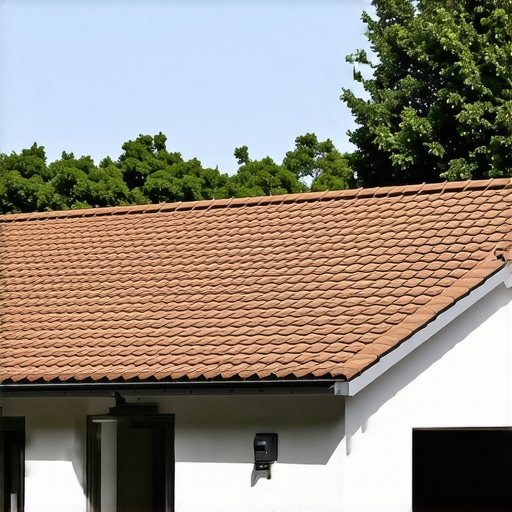
The Forensic Reality of a Sun-Cooked Roof
Walking on that roof in the humid afternoon felt like walking on a sponge. I knew exactly what I’d find underneath. The sun in the Southeast doesn’t just shine; it hammers. I’ve spent 25 years watching asphalt shingles transform from pliable protective layers into brittle, potato-chip-like husks. When you’re standing on a roof deck that’s hitting 160°F, you can actually smell the oils evaporating. That’s the smell of your investment off-gassing into the atmosphere, leaving behind a dry, cracked skeleton that won’t survive the next tropical depression. Most roofing companies will tell you it’s time for a full tear-off the moment they see a few missing granules. But as a forensic investigator, I look at the chemistry. You don’t always need a new roof; sometimes you just need to put the life back into the one you have.
“Water is the primary agent of destruction for all materials of construction.” – Building Science Axiom
The industry is changing. We’re moving away from the ‘rip and replace’ culture of the 90s and toward something smarter. Bio-based roof shingle sealants—specifically those derived from soybean oils and other plant esters—are the new frontier. But let’s get one thing straight: this isn’t some ‘green’ marketing gimmick. It’s physics. Shingles are basically a fiberglass mat soaked in asphalt and covered in rocks. As that asphalt dries out, the rocks (granules) fall off. Once the granules are gone, the UV rays eat the fiberglass. It’s a death spiral. Using a bio-based sealant is about stopping that clock. If you can identify shingle stress before the cracks reach the mat, you’re saving yourself $15,000 in labor and landfill fees.
1. Restoring the Molecular Matrix: The Pliability Factor
The first major benefit is the restoration of the shingle’s internal chemistry. Asphalt is a complex mixture of maltenes and asphaltenes. The maltenes are the oils that provide flexibility. In high-heat zones, these oils migrate to the surface and evaporate. This is where ‘Mechanism Zooming’ becomes important. When the maltenes are gone, the shingle can no longer expand and contract with the daily thermal cycle. Every morning when the sun hits the roof, the shingles expand. Every evening, they contract. If they are brittle, they develop micro-fissures. Bio-based sealants are designed with molecules small enough to penetrate the surface of the asphalt and re-infuse the mat with the necessary lipids. This isn’t just a coating that sits on top; it’s a deep-tissue massage for your roof. Local roofers who understand building science know that a pliable shingle can withstand wind uplift much better than a stiff one. When a stiff shingle is hit by a 70mph gust, it snaps at the nail line. A pliable shingle flexes, stays down, and keeps the water out of your attic.
2. Granule Lock and UV Deflection
The second benefit is what we call ‘granule lock.’ Have you ever looked in your gutters and seen what looks like dark sand? That’s your roof dying. Those granules are the only thing standing between the sun and the asphalt. When you lose granules, you get shingle granule loss, which leads to localized hot spots. Bio-based sealants act as a structural adhesive, bonding those granules back into the asphalt bed. It’s like a clear coat on a car, but it breathes. By locking those granules in place, you’re maintaining the roof’s reflective properties. In tropical climates, keeping the roof surface temperature down is the difference between an AC unit that lasts 15 years and one that dies in seven. If you ignore the loss of granules, the heat transfer into your attic will cause fascia board decay as the trapped moisture and heat rot the perimeter of your home from the inside out.
“A roof is only as good as its flashing, but it’s only as long-lived as its oils.” – Old Roofer’s Adage
3. The Environmental and Economic Bypass
Third, let’s talk about the ‘Material Truth.’ The roofing industry is one of the largest contributors to landfill waste in North America. Every ‘square’ (100 square feet) of roofing you tear off weighs about 250 pounds. A standard home might have 30 squares. That’s 7,500 pounds of petroleum-soaked waste going into the ground. Bio-based sealants allow you to bypass this cycle. By extending the life of a roof by 5 to 10 years, you are delaying that environmental impact. Furthermore, these soy-based products are significantly safer for the landscaping around your home. I’ve seen ‘trunk slammer’ contractors spray petroleum-based ‘rejuvenators’ that killed every hibiscus and palm tree on the property. True bio-based sealants are often USDA-certified and won’t poison your pets or your soil. It’s a rare case where the eco-friendly option is actually the more effective forensic choice. It also helps prevent algae growth by smoothing out the shingle surface, making it harder for spores to take root in the pits and cracks of weathered asphalt.
The Warranty Trap and Picking Your Contractor
Don’t be fooled by ‘Lifetime Warranties.’ Most of those documents have more holes than a rusty valley. They are prorated, meaning by the time your roof actually fails at year 12, the manufacturer might owe you about forty bucks and a box of nails. When you look for roofing companies to apply a bio-sealant, you need to ask about the ‘shiners’—those nails that missed the rafters. If a contractor doesn’t fix the underlying mechanical issues like loose nails or popped flashings before spraying the sealant, they are just ‘painting the rot.’ A real forensic roofer will check your attic for light leaks, ensure your ventilation isn’t blocked by insulation, and then—and only then—apply the bio-sealant to preserve the system. It’s about the whole assembly, not just the liquid in the bucket. If they don’t check your ‘cricket’ (the diverter behind your chimney), they aren’t roofers; they’re just guys with a sprayer. Real roofing is about managing water through gravity and chemistry. Bio-based sealants are the best tool we’ve seen in decades to handle the chemistry side of that equation. Use them early, and you’ll save yourself a fortune in the long run. Wait too long, and you’ll be buying me a beer while I tell you why your roof has turned to oatmeal and needs a $20k replacement.