
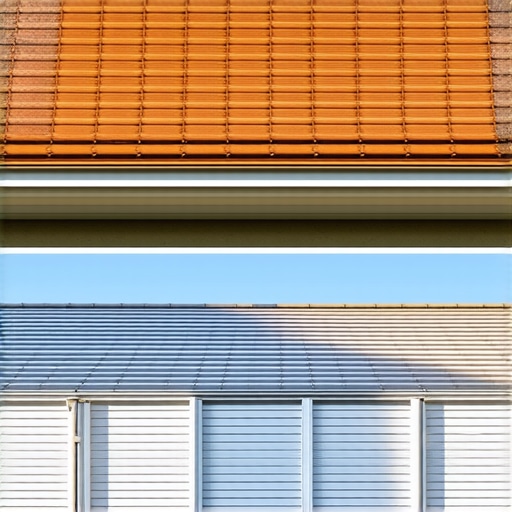
The Gutter Mirage: Why Most Homeowners Get It Wrong
In twenty-five years of inspecting roof decks, I have seen thousands of ‘new’ gutters fail before the second season of snow melt. Most people treat gutters like an afterthought, a piece of jewelry for the eaves. But as a forensic roofer, I see them as the primary defense mechanism against the slow rot of your home’s foundation. In 2026, the choice between copper and aluminum isn’t just about aesthetics; it’s about the physics of handling 500 gallons of water dumping off a steep-slope square during a micro-burst. If you choose the wrong metal, you are essentially inviting moisture to live in your fascia boards.
The Forensic Scene: Walking on a Sponge
Walking on that porch roof last autumn felt like walking on a damp sponge. I knew exactly what I would find underneath before I even pulled my pry bar. The homeowner had installed high-end aluminum gutters three years prior, but they were already failing. Why? Because the local roofers who installed them didn’t understand the thermal expansion of a sixty-foot run. The gutters had buckled, creating a ‘dam’ in the center of the run. Water sat there, stagnant, until it found a shiner—a missed nail in the drip edge—and used capillary action to travel backward into the sub-fascia. By the time I arrived, the plywood had the consistency of wet bread. This is why you need to understand the material truth before the first drop of rain hits your shingles.
“A roof system’s performance is inextricably linked to its ability to shed water away from the building envelope, a task largely dependent on the integrity of the drainage assembly.” – National Roofing Contractors Association (NRCA)
The Physics of Aluminum: The Economy of the ‘K-Style’
Aluminum is the bread and butter of roofing companies for a reason: it’s lightweight and doesn’t rust. In 2026, we are seeing more ‘continuous roll-formed’ (don’t say the S-word) systems than ever. But here is the mechanism you need to watch: the gauge. Most contractors use .027-inch thickness because it’s cheap and easy to cut. In a heavy North-side winter, an ice dam will twist .027 aluminum into a pretzel. You should demand .032 gauge. Even then, aluminum has a high coefficient of thermal expansion. It moves. A lot. If your installer didn’t use expansion joints on a long run, those hidden hangers are going to pull right out of the wood. If you’re already seeing leaks, you might need to look at ways to stop a gutter leak before the rot reaches your rafters.
Copper: The Forever Metal and the Chemistry of Patina
Copper is a different animal. It’s not just a gutter; it’s a structural component. When we install copper, we aren’t just snapping pieces together with caulk. We are soldering joints. This creates a monolithic water-tight system that aluminum can never match. Over time, copper develops a patina—a layer of copper carbonate—that protects the metal from the elements. It’s a self-healing material. But the cost is the ‘elephant in the room.’ You have to ask yourself: is copper worth the 2026 price tag? If you plan on staying in your home for thirty years, the answer is almost always yes. Copper doesn’t sag under the weight of wet snow, and it handles the thermal shock of a 140°F afternoon followed by a 60°F thunderstorm without buckling.
“Metal roof and gutter systems shall be designed to allow for expansion and contraction of the metal.” – International Residential Code (IRC) R905.10.4
The Galvanic Trap: Why You Can’t Mix and Match
One of the biggest mistakes I see local roofers make is the ‘Galvanic Scale’ error. If you put an aluminum hanger on a copper gutter, or vice versa, you have created a battery. Through a process called electrolytic corrosion, the more active metal will sacrifice itself. Within two seasons, the connection point will turn to dust. This is where the ‘cheap’ quote becomes the most expensive mistake of your life. Always ensure your hardware matches your material. If you see your gutters pulling away, it might be due to this chemical war happening at the screw line. You may need to investigate fixes for loose rotted fascia if the damage has already permeated the wood.
The Material Truth: Maintenance and Longevity
Aluminum requires constant vigilance. The sealant in the miters (corners) is an organic polymer. In 2026, even the best bio-based sealants dry out and crack after five to seven years of UV exposure. Once that seal breaks, water starts its slow crawl into your valleys and soffits. Copper, when soldered correctly, has no ‘shelf life’ on its seals. It’s a permanent bond. However, copper is a ‘thief magnet’ in some areas, and the initial labor cost is quadruple that of aluminum. When you are negotiating labor costs, remember that you are paying for a craftsman who knows how to use a soldering iron, not just a guy with a cordless drill.
Final Inspection: How to Choose Your Defense
So, which wins in 2026? If you are in a high-wind, high-snow zone like the Northeast, and your budget allows, copper is the forensic choice. It stops the cycle of ‘replace and repair.’ If you are on a budget, aluminum is viable, but only if you insist on .032 gauge and frequent inspections. Don’t let roofing companies talk you into a ‘lifetime warranty’ without reading the fine print—most don’t cover ‘acts of God’ like heavy snow loads that bend thin aluminum. Look for signs your roofing company is cutting corners, such as spacing hangers too far apart (more than 24 inches) or skipping the cricket on a wide chimney. Your gutters are the final gatekeeper of your home’s health. Treat them with respect, or they’ll let the water treat your house like a playground.