
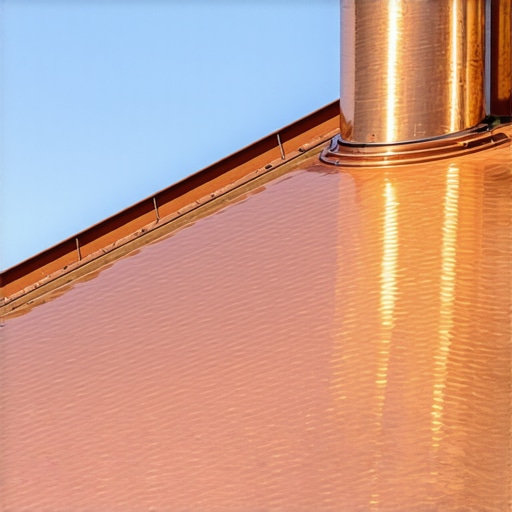
The Golden Standard or Just Expensive Jewelry?
I was standing on a hip roof in Charleston last July, the kind of heat that makes the asphalt smell like a freshly paved highway, when I realized the owner had spent forty thousand dollars on copper valleys and gutters only to have a ‘trunk slammer’ contractor use galvanized nails to tack them down. Walking on that roof felt like stepping into a chemistry experiment gone wrong. You could see the green streaks where the copper was bleeding, but the nails? They were practically dissolved. That is the reality of roofing in 2026; you can buy the best materials in the world, but if the local roofers you hire don’t understand the physics of what they are installing, you are just throwing money into the wind.
Copper has always been the ‘forever’ material, but as we move through 2026, the price tag has moved from ‘premium’ to ‘astronomical.’ We are talking about a material that can cost five to ten times more than a standard architectural shingle per square. Before you sign a contract with any roofing companies, you need to understand the mechanism of why copper fails—because it is rarely the metal’s fault. It is almost always the human element. Water is patient, but copper is aggressive. It doesn’t just sit there; it reacts with everything it touches.
“A roof is only as good as its flashing, and copper is the king of flashing—if you respect its chemistry.” – Old Roofer’s Adage
The Physics of the Patina: Why It Matters in the Southeast
In a high-humidity, high-salt environment like the Southeast, copper isn’t just an aesthetic choice; it is a defensive strategy. When copper is exposed to the elements, it undergoes a process called oxidation, creating that signature green patina. This isn’t just a color change; it is a sacrificial layer of protection that seals the metal against further corrosion. However, this creates a specific problem: the ionic exchange. When rain hits a copper ridge cap and then runs down onto a lesser metal or even certain types of shingles, it carries copper ions with it. These ions will eat through aluminum gutters or zinc-coated fasteners in a matter of years. If your contractor doesn’t know to use stainless steel or copper-specific fasteners, you’ll end up with a shiner—a missed or exposed nail—that becomes a localized battery, rotting the wood around it through galvanic corrosion.
If you are looking at 3 questions for 2026 metal roofers, the first one should always be about their fastening schedule and material compatibility. Copper expands and contracts significantly more than asphalt. On a 110-degree day, a twenty-foot run of copper gutter can grow by nearly half an inch. If it’s pinned tight without room to move, it will buckle, pull the hangers out of the fascia, and leave your home’s skeletal structure exposed to wind-driven rain.
The 2026 Comparison: Copper vs. The World
When we look at roofing options today, we have to talk about longevity versus the ‘now’ cost. A standard 30-year shingle is a lie; in the South, you’ll be lucky to get 18 years before the granules are in your driveway and the fiberglass mat is showing. Copper, when installed by elite roofing companies, is a 100-year system. But is it worth the 2026 markup? Let’s break down the mechanism of value. If you plan on staying in your home for thirty years, copper pays for itself by avoiding the two replacement cycles you’d face with asphalt. But you also have to consider the ‘cricket’—the small peaked structures used to divert water around chimneys. A copper cricket is a work of art, soldered at the seams to create a single piece of impenetrable armor. Compare that to a shingle-covered cricket that relies on caulk and prayer.
Many homeowners are being sold on ‘synthetic’ alternatives that mimic the look of copper. Don’t be fooled. These materials don’t have the same thermal properties. Copper is surprisingly efficient at reflecting heat once it has aged, whereas many dark synthetics act as a heat soak, driving your attic temperatures up to 150 degrees and cooking your rafters from the inside out. If you’re worried about thermal energy, you might want to look at 3 ways to lower roof heat, but nothing beats the natural resilience of heavy-gauge metal.
The Warranty Trap: What They Won’t Tell You
I’ve seen too many people get burned by the ‘Lifetime Warranty’ stickers on modern materials. In the roofing world, ‘Lifetime’ usually means the expected life of the product—which the manufacturer defines, not you. If an asphalt shingle fails in year twelve, the ‘pro-rated’ payout might not even cover the cost of the dumpster. With copper, there is no ‘warranty’ in the traditional sense because the material doesn’t fail; the installation does. Most local roofers will offer a five-year workmanship warranty, but for a copper project, you should be looking for a firm that treats it like a legacy project. You are paying for the soldering skills, not just the metal. If they are using a tube of caulk on a copper valley, fire them on the spot. Real copper work is joined with heat and lead-free solder, creating a permanent bond that won’t crack when the house settles.
“According to the International Residential Code (IRC), flashing must be installed in a manner that prevents moisture from entering the wall and roof through joints in copings, through moisture-permeable materials, and at intersections of roof planes.”
This sounds simple, but in the case of copper, it requires an understanding of capillary action. Water can actually travel uphill between two pieces of metal if the gap is small enough. A forensic roofer knows that you need a ‘hem’—a fold in the metal—to break that surface tension. If your contractor is just overlapping sheets, that water is going to find its way into your plywood, and you won’t know it until your ceiling starts to sag. If you suspect damage already, check out signs of hidden decking plywood decay before investing in premium materials.
The Verdict: Is Copper Worth It in 2026?
So, should you pull the trigger? If you are in a hurricane-prone area, copper is one of the few materials that can be engineered to withstand 150+ mph winds without shedding parts like a cheap car in a wreck. It’s heavy, it’s durable, and it’s beautiful. But if you aren’t planning on living in that house for at least twenty years, you are essentially buying a gift for the next homeowner. For most, a high-end standing seam aluminum or a hybrid system with copper accents in the valleys and over the bay windows is the sweet spot for 2026. This allows you to get the protection where it counts—in the areas of highest water volume—without the price tag of a full copper roof. Before you decide, make sure you know how roofing companies secure metal caps to ensure your investment doesn’t end up in your neighbor’s yard after the first big storm of the season.