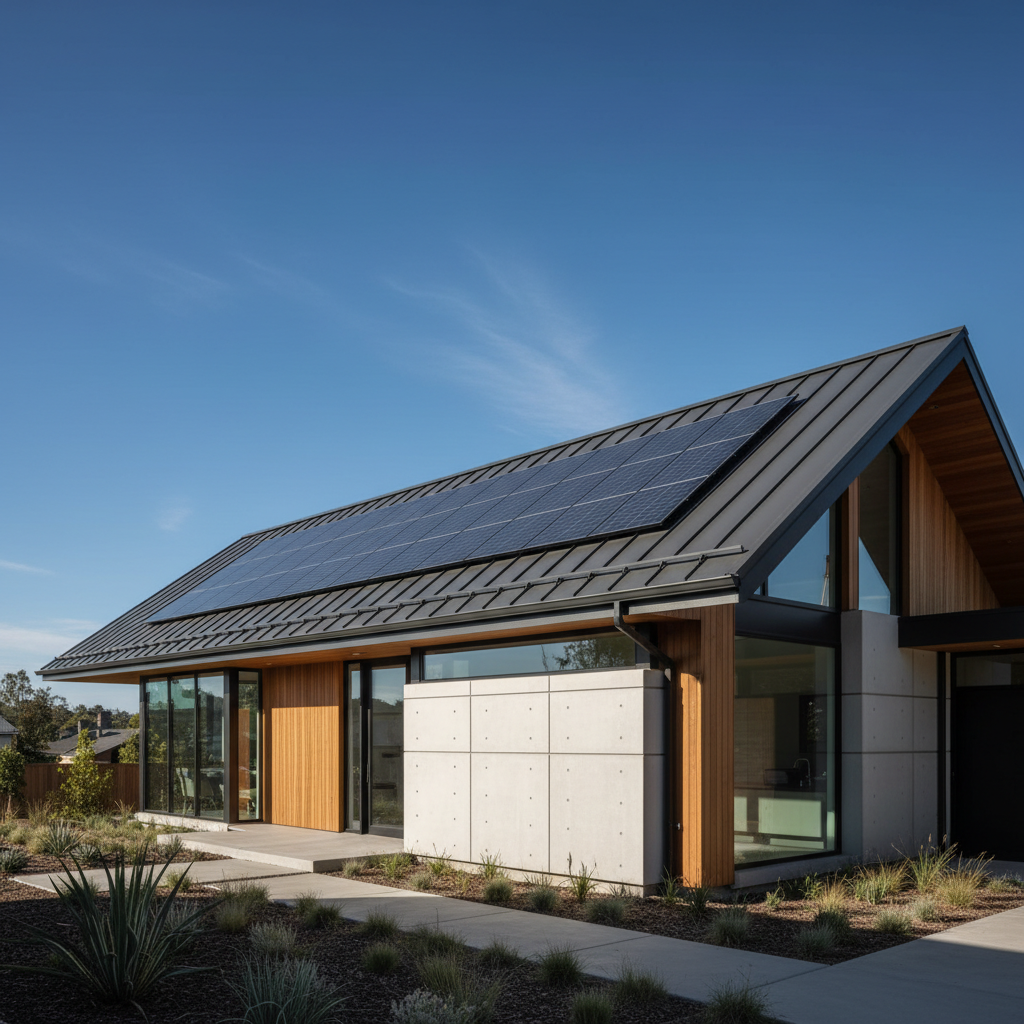
Data-Driven Roofing Decisions For Tucson Homeowners
Objective insights for future-proof roofing decisions.
Stop relying on contractor sales pitches to choose your roofing materials. We provide objective, architectural-grade analysis on standing seam metal, solar integration, and synthetic underlayments specifically engineered for the local climate. Protect your investment with our bulletproof contractor vetting frameworks.
Architectural-Grade Roofing Intelligence
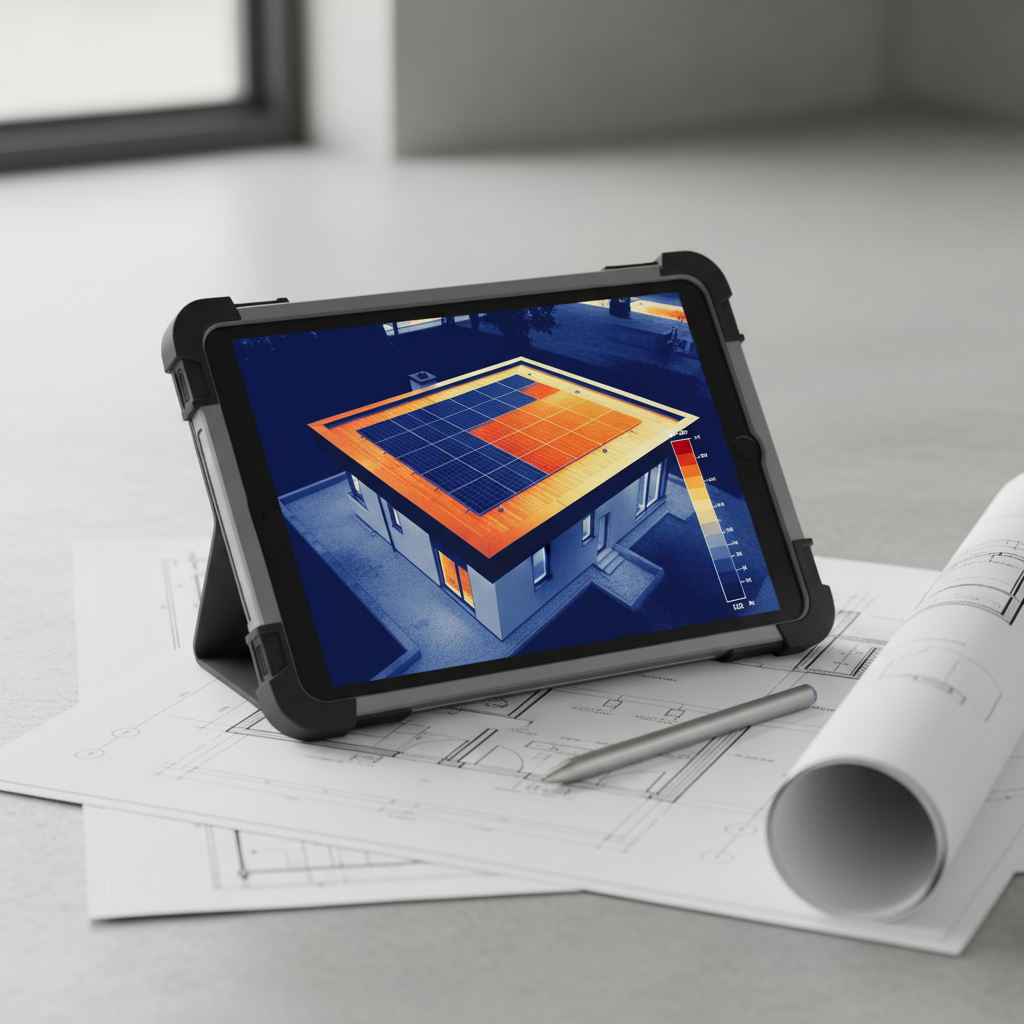
📊 Material Lifecycle Analysis
Compare thermal emittance and degradation rates of TPO versus standing seam metal under direct UV exposure. We break down the exact manufacturer specifications you need to evaluate long-term durability.
📋 Contractor Vetting Protocols
Filter out storm chasers and high-pressure sales teams using our 14-point licensing and structural warranty verification checklist. Force local companies to prove their technical competence.
☀️ Solar Integration Feasibility
Determine exact structural load requirements and mounting bracket compatibility before signing a solar or roofing contract. Prevent warranty-voiding penetrations on your new roof deck.
⛈️ Climate-Specific Engineering
Evaluate wind uplift ratings and Class 4 impact resistance standards required for monsoon season durability. Stop buying standard materials for extreme weather environments.
💰 Cost-to-Lifespan Ratios
Calculate the true 30-year amortized cost of architectural shingles versus 24-gauge steel panels. Make your material decisions based on raw financial data rather than initial estimate shock.
1,240+
Tucson Roofs Analyzed
We have evaluated over a thousand local residential and commercial roofing systems since 2014.
14
Vetting Checkpoints
Our contractor qualification matrix eliminates companies with hidden subcontracting clauses.
85%
Sales Pitches Debunked
The vast majority of initial contractor quotes we review contain unnecessary material markups.
How To Specify Your Next Roof
1
Define Your Structural Requirements
Input your current roof pitch, square footage, and neighborhood HOA restrictions into our material database. We calculate the exact thermal and load requirements for your property.
2
Compare Objective Material Data
Review side-by-side performance metrics of 24-gauge standing seam metal, integrated solar tiles, and premium architectural shingles. You see the raw manufacturer specifications without contractor bias.
3
Deploy The Vetting Framework
Take our 14-point contractor interrogation checklist to your local estimates. You will immediately identify which companies understand local building codes and which are just pushing high-margin products.
Roofing Systems We Evaluate
Standing Seam Metal Systems
We analyze 24-gauge and 26-gauge steel panels for thermal expansion tolerances and hidden fastener integrity.
Direct-to-Deck Solar Integration
Evaluate the structural requirements for solar shingles and low-profile mounting systems to prevent warranty-voiding penetrations.
TPO & Flat Roof Membranes
Compare mil-thickness and heat-welded seam specifications for low-slope properties requiring high UV reflectivity.
Class 4 Impact Resistant Shingles
Verify manufacturer testing data for polymer-modified asphalt shingles designed to withstand severe hail impacts.
Synthetic Underlayment Barriers
Assess the perm ratings and tear strength of modern synthetic underlayments versus traditional 30-pound felt.
Attic Ventilation Dynamics
Calculate the exact net free area (NFA) required for intake and exhaust vents to prevent premature material degradation.
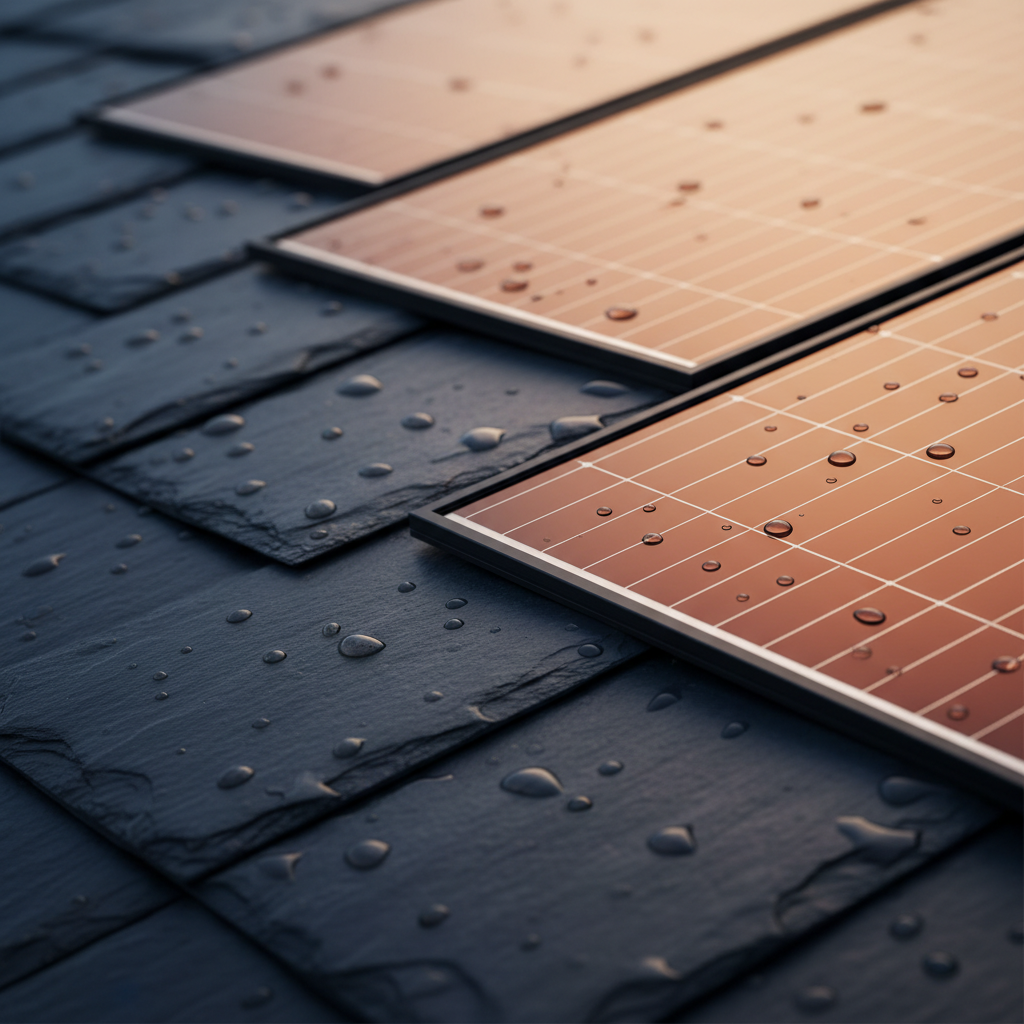
Why We Demystify The Roofing Industry
My name is Gilbert Nicdao, and I founded Modern Roofing Group after spending a decade watching homeowners make $30,000 mistakes based on bad information. The roofing industry relies on information asymmetry. Contractors know the building codes, material lifespans, and warranty loopholes, while homeowners are forced to trust a 45-minute sales presentation at their kitchen table.
We focus exclusively on the Tucson market and surrounding areas like Littleton, Nashville, Columbia, Phoenix, and Cookeville because climate dictates material performance. A roofing system that lasts 40 years in a temperate zone will bake, blister, and fail in 12 years under the intense UV radiation of the Sonoran Desert. Tucson homeowners need data specific to extreme thermal cycling and monsoon wind uplift.
We operate as an independent consumer protection resource. We do not sell roofs. We analyze the thermal emittance of standing seam metal, calculate the structural load requirements for solar integration, and decode the fine print in manufacturer warranties. Our goal is to arm you with the exact specifications an architect would use to design a commercial building.
When you use our 14-point contractor vetting framework, you change the power dynamic. You stop being a target for high-pressure sales tactics and become an educated buyer demanding proper ventilation calculations and verified structural warranties.
Frequently Asked Questions
Does installing solar panels void my existing roof warranty?
Yes, standard solar installations void most manufacturer warranties if the mounting brackets penetrate the roofing material without approved flashing. You must require your solar contractor to use standing seam clamps or coordinate with a certified roofer to install proprietary mounting boots. Always get this coordination agreement in writing before signing the contract.
Is 24-gauge or 26-gauge metal better for residential properties?
24-gauge metal is thicker and provides superior resistance to oil-canning, which is the visible waviness that occurs during thermal expansion. For properties experiencing extreme temperature fluctuations, 24-gauge steel is the mandatory minimum specification. Thinner 26-gauge panels will warp under intense afternoon sun exposure.
Why do contractors push architectural shingles over metal?
Architectural shingles require less specialized training to install and carry higher profit margins for the contractor. A standing seam metal roof requires expensive roll-forming equipment and precise sheet metal fabrication skills. Contractors push the materials their crews can install the fastest, not necessarily the material that offers the best 30-year ROI.
How do I verify a roofing contractor is actually local?
Check their commercial general liability insurance certificate and verify the address matches their state corporation commission filing. Cross-reference their vehicle license plates and ask for three references from projects completed over five years ago. Storm chasers rent local office space temporarily but cannot produce long-term historical data in your specific city.
Stop Guessing On Your $30,000 Investment
Download our 14-point contractor vetting framework and material comparison matrix. Force local roofers to compete on architectural specifications instead of sales tactics.
Written & Reviewed By
Gilbert Nicdao
Modern Roofing Group
Gilbert Nicdao is a dedicated professional in the roofing industry, currently serving as a key
Latest from Our Blog
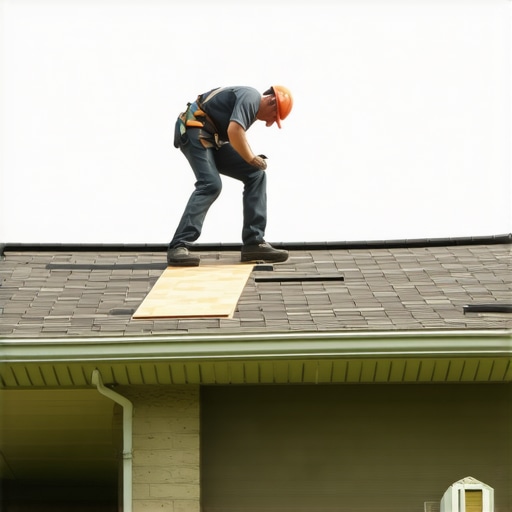
Why Skipping the Starter Strip is a Local Roofer’s Favorite Shortcut
I’ve spent the last twenty-five years climbing ladders and peeling back the lies of lazy contractors. Most homeowners think a…
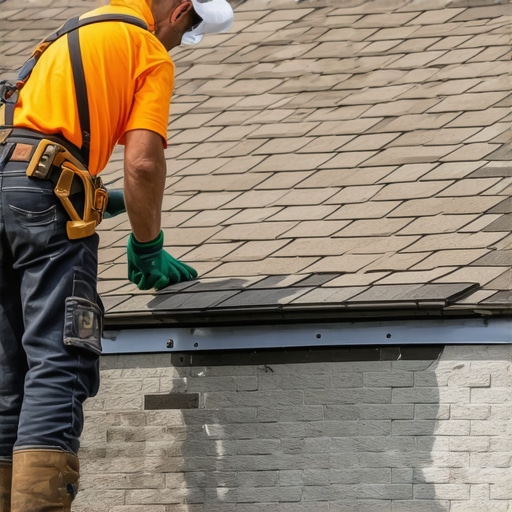
How to Tell if Your Local Roofer Skimped on the Valley Flashing
The Forensic Autopsy: Why Your Living Room Ceiling is Sagging Walking on that roof felt like walking on a sponge.…
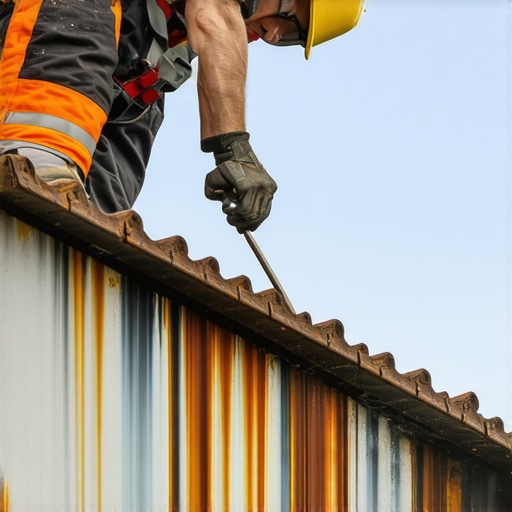
How to Catch a Roofer Reusing Old Rusted Drip Edge
The Forensic Scene: When Your Roof Feels Like a Wet Cardboard Box I stepped onto a roof last October in…