
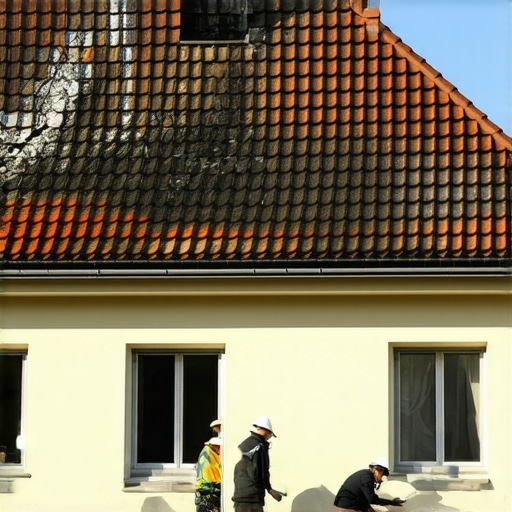
The Red Sticker Syndrome: Why the Best Are Falling Short
The sound of a city inspector slapping a red ‘FAILED’ sticker onto a garage door is a particular kind of gut-punch. In my 25 years of forensic roofing, I’ve seen more of those stickers in the last six months than in the previous six years. We are seeing a crisis of competence where even the most expensive roofing companies—the ones with the shiny trucks and the five-star reviews—are getting basic physics wrong. It’s not just about aesthetics; it’s about the structural integrity of the home. I recently walked a job site in a cold-climate zip code where a homeowner had paid forty grand for a ‘premium’ install. Walking on that roof felt like walking on a giant, sun-baked sponge. The crew had layered new shingles over a deck that was essentially mulch, and the inspector caught it before the final check cleared.
The Physics of Failure: Beyond the Surface
Most 2026 inspection failures aren’t about the shingles themselves; they are about what’s happening underneath. When we talk about local roofers failing to meet code, we are usually looking at a total misunderstanding of capillary action and hydrostatic pressure. Water is a patient thief. It doesn’t just fall; it climbs. If a starter strip isn’t set with the correct overhang, surface tension pulls rainwater backward, tucking it right under the first row of shingles and onto the drip edge. From there, it’s a short trip to rotting your fascia boards. Many crews are being taught to move fast, skipping the vital step of checking for poor roof flashing around the chimneys and valleys.
“A roof is only as good as its flashing.” – Old Roofer’s Adage
The North/Cold Climate Reality: Ice Dams and Attic Bypasses
In our northern zones, the enemy isn’t just the rain; it’s the heat escaping from your own living room. Top-rated roofing companies are failing inspections because they treat the roof as a lid rather than a breathing system. An attic bypass—a small gap around a plumbing stack or a light fixture—lets warm air into the attic. That air hits the underside of the cold roof deck, condenses, and turns your insulation into a wet rag. When the snow on the roof melts from that internal heat and refreezes at the cold eaves, you get an ice dam. If the crew didn’t install the Ice & Water Shield at least 24 inches inside the interior wall line, that dammed water will find its way into your drywall. These are the sneaky ways local roofers cut corners, often unknowingly, by hiring subcontractors who don’t understand regional building codes.
The ‘Shiner’ Epidemic and Thermal Bridging
Let’s talk trade for a second. Have you ever heard of a ‘shiner’? It’s a nail that missed the rafter and is just sticking through the plywood into the attic space. During a cold snap, that nail head becomes a cold point. Moisture in the attic condenses on that nail, freezes, and then drips when the sun comes out. To an inspector, twenty shiners in a single square (that’s a 10-foot by 10-foot area) is a sign of a ‘blow-and-go’ crew. It indicates they weren’t snapping lines or paying attention to the framing. Furthermore, thermal bridging—where heat moves through solid materials like those nails or uninsulated rafters—is becoming a major sticking point for 2026 energy codes. If your roofer isn’t talking about R-value and air sealing, they are setting you up for a failed inspection and a sky-high utility bill.
The Complexity of the Valley and the Cricket
The most common failure point is the valley. Whether it’s an open metal valley or a closed-cut asphalt valley, the precision required is immense. If a nail is placed too close to the center of the valley (the ‘water line’), it creates a leak point that will manifest in three years. Similarly, on large chimneys, code requires a cricket—a small peaked structure behind the chimney to divert water. I’ve seen ‘top-rated’ companies skip the cricket entirely, relying on a mountain of caulk instead. Caulk is a temporary fix; geometry is a permanent solution. If you find your 2026 roof inspection was incomplete, check the chimney first. If there’s no wood-framed diverter, you’ve got a problem.
“The building shall be provided with a roof that is designed and constructed to provide weather protection and to prevent the entry of water.” – International Residential Code (IRC)
Why ‘Lifetime Warranties’ Are Failing Homeowners
The marketing departments of many roofing companies love the phrase ‘Lifetime Warranty.’ In reality, these warranties often only cover the material, not the labor to fix a failure caused by poor ventilation. If the inspector finds that the intake at the soffits doesn’t match the exhaust at the ridge, your warranty is void before the shingles even seal down. I’ve seen attics hit 140°F because a contractor blocked the soffit vents with insulation. That heat cooks the shingles from the inside out, causing granule loss and shingle curling within five years. If you don’t catch hidden shingle lifting early, the wind will do the rest of the work for you.
The Cost of Speed Over Craft
In 2026, the pressure to turn over jobs in a single day is the primary driver of failure. Roofing is a craft that requires a forensic eye. It’s about checking the drip edge for proper overlap, ensuring the kick-out flashing is diverting water into the gutter and not behind the siding, and making sure the underlayment isn’t wrinkled. When roofing becomes a commodity rather than a service, the homeowner loses. You need to ask your contractor how they handle ‘decking surprises.’ If they find rot, do they stop and replace it, or do they nail over it to keep the schedule? A reputable pro will always choose the ‘surgery’ of a proper tear-off over the ‘band-aid’ of a quick patch. Don’t let a ‘top-rated’ sticker fool you—demand to see the flashing details before the first nail is driven.