
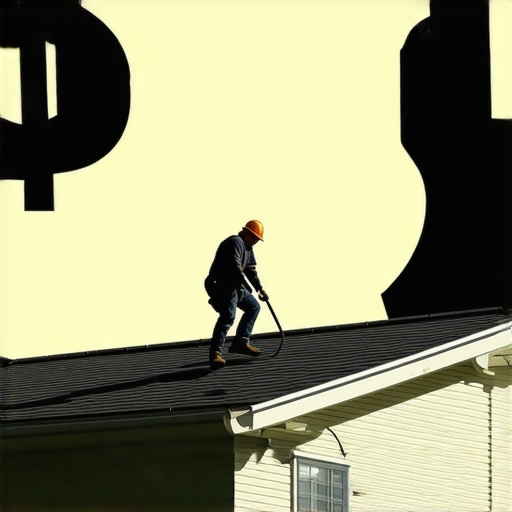
I’ve spent a quarter-century on steep-slope decks, smelling the distinct, sickly sweet aroma of fungus eating away at spruce plywood in 140-degree attics. I’ve seen every trick in the book, from the ‘trunk slammer’ who disappears after the first rain to the high-end outfits that use slick sales presentations to mask a lack of technical grit. My old foreman used to say, ‘Water is patient. It will wait for you to make a mistake.’ In 2026, the mistakes aren’t just technical; they are financial. As roofing companies face rising material costs and tighter labor markets, the ‘surcharge’ has become the favorite tool of the unethical estimator. You think you’re signing for a fixed price per square, but by the time the shingles are torn off, you’re staring at a bill that’s 30% higher than the quote.
The Psychology of the Lowball and the ‘Add-on’
In regions like the Northeast, where ice dams and thermal bridging are the primary enemies, a roof isn’t just a covering; it’s a managed system of air and moisture. When a local roofer gives you a quote that seems too good to be true, they aren’t losing money. They are banking on the ‘hidden’ surcharges they’ll hit you with once your house is vulnerable and covered in tarps. If you want to avoid being taken for a ride, you need to understand the 5 red flags in 2026 local roofer quotes before you put down a deposit.
“A roof is only as good as its flashing.” – Old Roofer’s Adage
Surcharge 1: The ‘Ghost’ Decking Replacement
This is the most common tactic. A contractor quotes you for a tear-off and replacement but leaves the cost of plywood vague. Then, the shingles come off, and suddenly, every sheet of OSB or plywood is ‘compromised.’ While rotted roof decking is a real issue, especially if you’ve had slow leaks from ‘shiners’—those nails that missed the rafter and act as conduits for frost—it shouldn’t be a surprise. A forensic roofer can tell if your deck is spongy just by walking on it. If they don’t warn you about potential rot during the inspection, they are likely setting you up for a massive surcharge. They’ll charge you $120 a sheet for material that costs $25, claiming it’s an emergency. This is where hidden costs local roofers often miss become intentional profit centers.
Surcharge 2: The ‘Code Compliance’ Up-charge
In 2026, building codes regarding R-value and Ice & Water shield are stricter than ever. Some roofing companies will quote you a ‘base’ price and then call you halfway through the job to say that ‘the city inspector’ is requiring extra drip edge or a specific type of flashing that wasn’t in the contract. This is nonsense. A professional knows the local codes before they step foot on your property. They use these signs of poor roof flashing as a way to scare you into paying for ‘upgrades’ that should have been standard. If your house has a chimney, they might even try to up-charge for a cricket—a small peaked structure behind the chimney to divert water—claiming it’s a ‘custom architectural addition’ rather than a basic requirement for a leak-free system.
“Underlayment shall be applied in accordance with the manufacturer’s installation instructions.” – International Residential Code (IRC)
Surcharge 3: Logistics and ‘Disposal Escalation’ Fees
This is the sneakiest one because it happens at the very end. You’ll see a line item for ‘Disposal,’ but then a second surcharge for ‘Weight Overage’ or ‘Fuel Surcharge.’ Asphalt shingles are heavy—about 230 to 250 pounds per square for standard architectural shingles. If you have a two-layer tear-off, that weight doubles. Shady roofing companies under-calculate the weight in the initial bid to look cheaper, then pass the ‘unexpected’ dump fees to you. To prevent this, you must ask local roofers these 5 questions regarding disposal caps and logistical flat rates before the first nail is pulled.
The Material Truth: Asphalt vs. The World
In cold climates, your material choice determines how much ‘thermal shock’ your roof can handle. While metal is durable, it’s expensive. Most homeowners stick with asphalt, but even here, the ‘Lifetime Warranty’ is a marketing trap. Most warranties only cover the material, not the labor, and they are prorated so fast they’re worth pennies after ten years. You need to know how to compare 2026 warranties safely to see through the fluff. A warranty doesn’t fix a leak; a proper valley installation and a solid ridge vent do. If your contractor is spending more time talking about the warranty than the ventilation physics, find a new contractor.
The Forensic Fix: How to Protect Your Wallet
Don’t be a victim of the ‘change order’ game. When you get a quote, demand a ‘Decking Clause’ that specifies the price per sheet of plywood up front. Ensure all code-required items like Ice & Water shield in the valleys and at the eaves are included in the base price. Most importantly, verify the disposal fees are fixed. If a roofer can’t give you a firm price on a standard 30-square job, they are either incompetent or planning to surcharge you into bankruptcy. Water is patient, but your contractor shouldn’t be waiting for the chance to raid your savings. Be the homeowner who knows the difference between a necessary repair and a sneaky surcharge.