
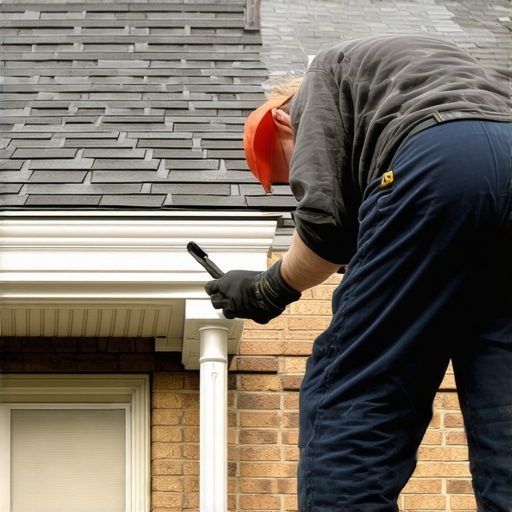
The Ghost in the Attic: Why Shingle Lifting is the Silent Killer of Roofs
You’re sitting in your living room during a Gulf Coast downpour, and you see a damp spot on the ceiling. You call a contractor, they hop on a ladder, glance at the roof, and tell you everything looks ‘fine.’ That’s the moment you should start worrying. In my 25 years of forensic roof investigation, the most catastrophic failures I’ve seen didn’t start with a missing shingle; they started with shingle lifting—a subtle, mechanical failure where the asphalt sealant strip loses its grip, turning your roof into a series of unfastened flaps. Most roofing companies are looking for obvious storm damage, but the real rot happens when the wind-driven rain of a Southeast summer finds its way under a shingle that has technically ‘lifted’ but hasn’t yet blown away.
“Water is patient. It will wait for you to make a mistake.” – My Old Foreman’s Adage
My old mentor used to say that every time we saw a ‘shiner’—that’s a missed nail for you folks not in the trade—poking through the underside of the deck. He knew that the physics of a roof isn’t just about shedding water; it’s about managing pressure. When a shingle lifts, even by a fraction of an inch, it breaks the aerodynamic seal of the roof system. Suddenly, your local roofers aren’t just looking at a cosmetic issue; they are looking at a pressurized entry point for moisture. Once that seal is gone, the capillary action takes over. Water doesn’t just fall; it crawls. It moves sideways under the shingle, finds the nail head, and follows the shank straight into your plywood decking. By the time you see it, the ‘oatmeal’ phase of rot has already begun.
Sign 1: The ‘Shadow Line’ and the Physics of Bernoulli’s Principle
When I walk a roof, I don’t just look down; I look across. In the high-humidity environments of places like Houston or Miami, shingles undergo massive thermal expansion and contraction. This stress eventually fatigues the factory-applied sealant strip. One of the first signs of hidden shingle lifting is a faint, irregular shadow line along the bottom edge of the shingle course. This happens because the shingle has slightly ‘cupped’ upward. While it might look flat from the ground, from a low angle, you can see that the bond is broken. This is where the physics gets nasty. As wind blows over the ridge, it creates a low-pressure zone on the leeward side—much like an airplane wing. This pressure differential literally sucks the unsealed shingle upward, allowing rain to be driven deep into the lap. If your inspection doesn’t include a manual ‘tab test’ to check the bond strength, you haven’t had a real inspection. You can learn more about this in our guide on how to spot shingle lifting before the next storm hits.
Sign 2: Granule Accumulation in the Valley and the ‘Flap’ Sound
If you hear a rhythmic thwack-thwack sound during a thunderstorm, that’s not your gutters—it’s your shingles acting like a deck of cards. When the adhesive fails, the shingle flaps. This constant movement causes the ceramic-coated granules to rub against the course below, scouring them off the mat. If you look in your valley or your downspout splash pads and see piles of granules that look like coffee grounds, your roof is shedding its UV protection because of lifting. This is a forensic ‘smoking gun.’ Most roofing companies will tell you it’s just ‘aging,’ but it’s actually mechanical wear from a failed bond. Without those granules, the sun’s UV radiation cooks the exposed asphalt, making it brittle. This is why water entry at walls and other transitions becomes so common; the materials lose their flexibility and crack under the strain of the lifting action.
“A roof is only as good as its flashing and the integrity of its primary seal.” – NRCA Standard Manual
Sign 3: The ‘Shiner’ and Rust Stains on the Underlayment
This is the one that really gets me. When a shingle lifts, it often pulls against the fastener. If the installer used a nail gun set too high, the nail head might have already partially cut through the shingle mat—we call this ‘over-driving.’ When the wind lifts that shingle, it pulls right over the head of the nail. Now you have a hole in your primary defense. If you go into your attic with a flashlight and see rust on the tips of the nails (the ‘shiners’), that’s a dead giveaway. It means moisture is traveling down the nail from the top side. This often happens near the cricket or the chimney because these areas face the most wind turbulence. Identifying these hidden signs of shingle lifting early can save you a full square of decking replacement later. If you ignore it, you’re not just looking at a repair; you’re looking at a complete structural overhaul once the rafters start to sag.
The Forensic Fix: Why Caulk is a Crime
I see it all the time: a ‘handyman’ goes up with a tube of roofing cement and starts gooping it under lifted shingles. That is a Band-Aid on a bullet wound. In Southeast climates, trapped moisture under a ‘glued-down’ shingle will rot the wood even faster because it can’t breathe. The only real fix for widespread lifting is to identify the cause—usually poor ventilation or age—and replace the affected sections, ensuring the new starter strip is properly thermally activated. Don’t let a ‘trunk slammer’ tell you a bit of caulk will fix a failed uplift rating. You need a pro who understands the secondary water resistance layer and how to restore the mechanical bond of the system. Checking for poor roof flashing while you’re at it is the only way to ensure the surgery is successful. Anything less is just waiting for the next hurricane to peel your house like an orange.