
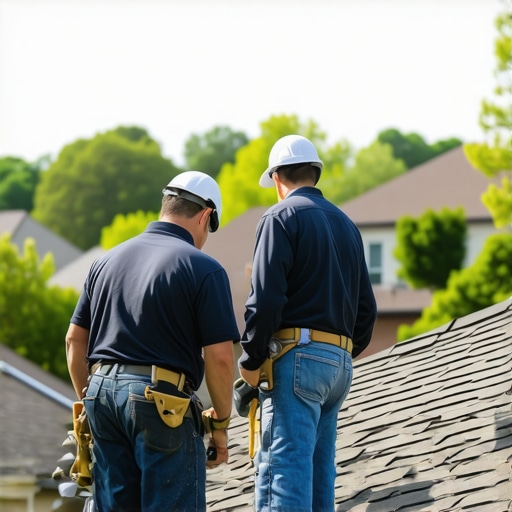
The Forensic Scene: When Reputation Hits the Roof Deck
Walking on that roof felt like walking on a sponge. I knew exactly what I’d find underneath before I even pulled my first pry bar. It was a five-year-old install by one of the highest-rated roofing companies in the county. On paper, they were gold. On the rafters? They were a disaster. The plywood had the consistency of wet cardboard, and the insulation was matted down with gray-black mold. The previous contractor had skipped the basics of thermodynamics, trapping hot, humid air in the attic until the structure literally started digesting itself from the inside out. This is why a ‘local reputation’ isn’t just a number of stars on a screen—it’s a measurement of whether a crew understands the physics of your specific climate.
1. Beyond the Five-Star Mirage: Vetting Online Echo Chambers
In this industry, we see it all the time: ‘trunk slammers’ who buy a thousand fake reviews to drown out the sound of their falling hammers. To truly check local roofers, you have to look for the patterns in the complaints, not just the praise. If you see recurring mentions of ‘shiners’—those missed nails that stay in the attic and act as tiny lightning rods for condensation—you’re looking at a crew that rushes the install. A real local reputation is built on how a company handles the inevitable. Check if they have vetted online reviews that specifically mention warranty work or follow-ups. A company that disappears after the final check is cut doesn’t have a reputation; they have a getaway car. Real pros invest in building online trust by showing their actual project history, not just stock photos of shingles.
“A roof is only as good as its flashing.” – Old Roofer’s Adage
2. The ‘Material Truth’ Blueprint: Vetting Through Inventory
A contractor’s reputation is inextricably linked to the materials they are willing to stand behind. If a roofer pushes ‘Lifetime Warranties’ without explaining the fine print, they are selling you marketing, not a roof. Most ‘lifetime’ shingles are only as good as the ventilation system supporting them. In our humid coastal zones, if a contractor isn’t talking about synthetic shingle felt or the benefits of breathable underlayment, they are ignoring the physics of moisture vapor transmission. Mechanism zooming reveals the danger here: water vapor moves from areas of high pressure to low pressure. Without breathable layers, that vapor hits the back of your shingles and turns back into liquid water, rotting your deck. Ask your local roofers why they chose their specific underlayment. If the answer is ‘it’s what I always use,’ walk away. You want a company that understands why polymer shingle underlay outperforms the old 15-pound felt in high-wind zones.
3. The Forensic Job Site Walk: Real-Time Reputation
Don’t just look at their past work; look at their current mess. A reputable roofing company treats a job site like a surgical suite. Are they using a ‘cricket’ to divert water behind the chimney, or are they just glopping on three tubes of caulk? If you see a crew leaving shingles to ‘buckle’ in the heat before installation, you’re seeing a future failure. You can often spot shingle buckling from the ground—it’s the first sign that the underlayment wasn’t pulled taut or the decking was too wet. Furthermore, check their safety protocols. Companies that prioritize local project safety records are the ones who aren’t cutting corners on your flashing or valley details either. A crew that risks their own necks is a crew that will risk your property’s integrity.
4. The Physics of Local Failure: Identifying Climate Specialization
Reputation is regional. A roofer who moved here yesterday from the desert won’t understand how wind-driven rain uses capillary action to ‘climb’ up a roof slope under the shingles. In our area, the enemy is the slow soak. If a roofer doesn’t emphasize signs of poor roof flashing during their initial inspection, they don’t know the local terrain. They should be looking for hidden decking plywood decay specifically around the eaves and valleys where snow or heavy rain accumulates. A reputable local company will explain how they mitigate these risks using specific ways to seal ridge vents to prevent the ‘attic bypass’ that leads to ice dams or internal condensation. They don’t just ‘replace the roof’; they fix the system.
“The primary purpose of a roof is to shed water as quickly as possible and to prevent its re-entry into the building envelope.” – National Roofing Contractors Association (NRCA)
Ultimately, a ‘square’ of roofing (that’s 100 square feet in trade talk) is more than just asphalt and nails. It’s a series of managed transitions. If your local roofing companies aren’t talking about water entry at attic joint seals or the best ways to seal attic vents, they are just shingle-tossers. True reputation is found in the forensic details—the parts of the roof you can’t see from the curb, but you’ll definitely feel in your wallet five years from now.