
The Forensic Scene: When Your Roof Becomes a Peat Bog
Walking on that roof felt like walking on a damp kitchen sponge. I knew exactly what I would find underneath before I even pulled my flat bar out of the truck. It was a 10-year-old roof in a shaded neighborhood, but the north slope looked like a forest floor. When I finally peeled back a section of the three-tab shingles, the plywood didn’t just have rot; it was a science experiment of hidden plywood delamination where the glues had been completely digested by the constant moisture load. This is the reality of moss. It’s not just an aesthetic quirk for ‘cottagecore’ enthusiasts; it is a biological parasite that is physically eating your home. Most local roofers will tell you to just spray some bleach and call it a day, but that’s like putting a Band-Aid on a sucking chest wound. To stop moss, you have to understand the physics of why it’s there in the first place.
“The primary purpose of a roof is to shed water as quickly as possible. Anything that retards that flow is a failure of the system.” – National Roofing Contractors Association (NRCA) Guidelines
Moss is a master of capillary action. Unlike a shingle, which is designed to shed water downward via gravity, a clump of moss acts as a dam. It sucks up moisture and holds it against the shingle’s mineral granules. Through a process of mechanism zooming, we see that moss doesn’t have true roots, but rather ‘rhizoids.’ These tiny anchors wedge themselves into the spaces between the asphalt and the granules. As the moss grows, it expands, physically prying the granules off the shingle. Once those granules are gone, the underlying asphalt is exposed to UV radiation, which causes it to crack and go brittle. Then comes the freeze-thaw cycle. The water held by the moss freezes, expands, and pushes the shingles upward, creating a gap for wind-driven rain to enter the valley seams and flood your attic.
1. The Metallic Defense: Ionization at the Ridge
If you want a permanent solution, you have to weaponize chemistry. Moss and algae hate metallic ions, specifically copper and zinc. When rain hits a zinc or copper strip installed at the ridge, it creates a dilute metallic solution that washes down the roof. These ions disrupt the cellular membrane of the moss, making it impossible for the bryophytes to survive. I’ve seen ‘trunk slammers’ just nail a strip of flashing on top and call it a day, which usually results in a ‘shiner’—a missed nail that creates a direct leak path into the rafter. You need to tuck that strip under the ridge cap properly so the water is forced to run over it. This is one of the most effective ways to extend shingle life in damp climates like the Pacific Northwest or the Northeast.
2. Environmental Modification: The War on Shade
Moss is a vampire; it cannot survive in direct, punishing sunlight. If your roof is covered in a lush canopy of oak or maple branches, you aren’t just getting shade; you’re getting a constant ‘organic rain’ of leaves and debris that trap moisture. I’ve performed autopsies on roofs where the homeowner refused to trim their trees, only to find rotted roof decking that required a full structural replacement. You need at least four to six hours of direct sunlight on every square of that roof. If you don’t prune back those limbs to at least ten feet away from the shingles, the moss will return before your next property tax bill arrives.
3. The Physics of Airflow: Beyond the Surface
Many homeowners think moss is just a surface problem, but it’s often a ventilation failure. In a poorly vented attic, the underside of the roof deck stays warm. When that warmth hits the cold shingles on a misty morning, it creates a micro-environment of condensation. This keeps the shingles damp from both sides, providing a 24/7 nursery for moss spores. To fix this, you must ensure you have a balanced system with intake at the soffits and exhaust at the ridge. If your ridge vents are clogged with old debris or were never cut properly, you’re just inviting rot. Check your attic vents to ensure the air is actually moving. Without airflow, the shingles never truly dry out, and moss loves a wet bed.
“A roof is only as good as its flashing and its ability to breathe.” – Old Roofer’s Adage
4. Material Upgrades: Moving to Algae-Resistant (AR) Shingles
If you are looking at a full replacement, don’t let a roofing company talk you into the cheapest three-tab they have in the warehouse. Modern manufacturing now includes copper-containing granules embedded directly into the asphalt shingles. These are often marketed as ‘AR’ or Algae-Resistant shingles. These granules leach out copper ions over a period of 10 to 25 years. When combined with a high-quality breathable underlayment, you create a system that stays dry and remains toxic to spores. However, don’t fall for the ‘lifetime warranty’ marketing fluff; these granules eventually wash away, but they will buy you decades of a clean roof compared to standard materials.
5. Gentle Hygiene: The No-Pressure Rule
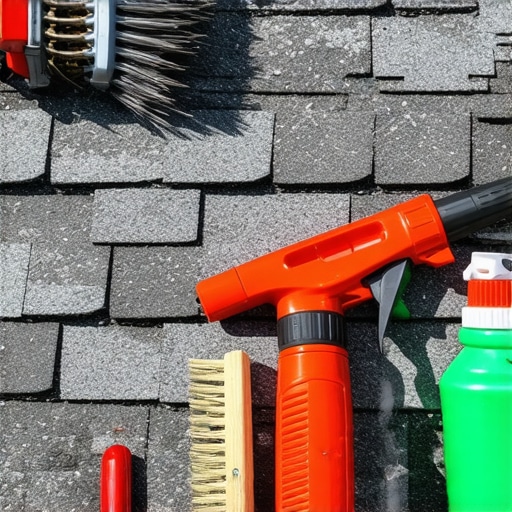
The biggest mistake I see? A homeowner gets a wild hair and takes a 3000-PSI power washer to their shingles. Congratulations, you just removed five years of life from your roof in ten minutes. Power washing blasts the granules right off the asphalt, leaving the roof vulnerable to UV rot. Instead, use a non-caustic, biodegradable chemical treatment. Apply it on a dry day, let it soak into the moss’s ‘root’ structure, and let the rain wash the dead debris away over several weeks. Once the moss is brown and dead, a gentle brush is all it takes. After cleaning, check for stain troubles that might indicate deeper moisture penetration. If you ignore the maintenance, that moss will act as a sponge, eventually leading to a full tear-off that will cost you three times as much as a simple cleaning.
Ultimately, moss is a symptom of a larger moisture management failure. Whether it’s poor drainage in the valleys or an overhanging tree that keeps the North slope in a perpetual state of dampness, you have to address the physics of the site. If you don’t, you’re just throwing money at a problem that will grow back with the first autumn rain. Don’t be the guy who waits for the ceiling to sag before checking the shingles. Get up there, check your flashing, trim your trees, and make your roof a place where nothing green can survive.