
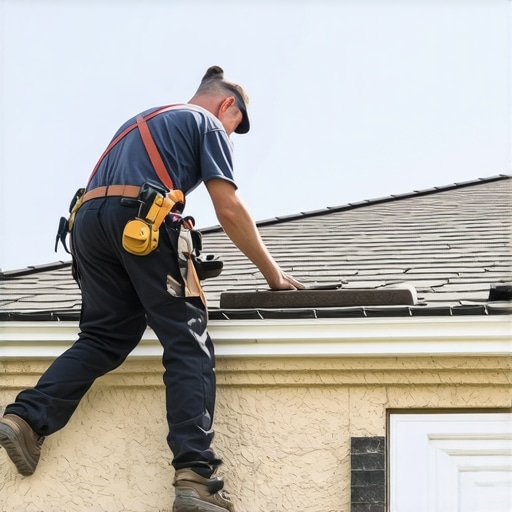
The Forensic Scene: Why Your Roof Looks Like It’s Rotting
Walking on that roof in Charleston felt like walking on a wet sponge, even though the sun was screaming at 98 degrees. I knew exactly what I’d find underneath before I even pulled my first shingle. From the curb, the homeowner thought his house was dying. Deep, soot-colored streaks ran from the ridge vent down to the gutters, looking like a slow-motion oil spill. But it wasn’t oil, and it wasn’t soot. It was Gloeocapsa magma. This hardy, photosynthetic bacterium is the bane of every homeowner in the Southeast. It doesn’t just sit there; it eats. Specifically, it feasts on the limestone filler that manufacturers use to give asphalt shingles their weight. When you see those black stains, you aren’t looking at dirt—you’re looking at a microscopic colony that is literally digesting your investment. Most local roofers will tell you to just spray it with a garden hose and some bleach, but if you don’t understand the physics of how this organism anchors itself, you’re just giving it a haircut while the roots keep growing.
“The application of asphalt shingles shall be in accordance with the manufacturer’s installation instructions to ensure long-term performance and resistance to environmental factors.” – International Residential Code (IRC) R905.2.1
1. The Ionic Defense: Copper and Zinc Strips
If you want to stop algae without climbing a ladder every six months, you need to use chemistry. When rainwater hits a strip of zinc or copper installed at the ridge, it creates a metallic salt solution. This solution is toxic to algae. As the water washes down the roofing, it coats the shingles in a thin, microscopic layer of ions that prevents the bacteria from ever gaining a foothold. I’ve seen roofing companies install these strips incorrectly by hiding them too far under the ridge cap. To work, the metal must be exposed. Think of it as a slow-release medicine for your roof deck. You need about two to four inches of exposed metal to ensure enough ions are released during a standard Florida downpour. Without this, the algae reappearing stain troubles will start the moment the humidity hits 80 percent again.
2. Mechanism Zooming: The Bio-Film and Chemical Mitigation
When you decide to clean the roof, you have to be careful not to commit “roofing malpractice.” I’ve seen “trunk slammers” show up with a 3000 PSI pressure washer and literally blast the granules off a square of shingles. A square is 100 square feet, and if you lose more than a few tablespoons of granules per square during a cleaning, you’ve just shortened your roof’s life by five years. The goal is a soft wash. We use a sodium hypochlorite solution mixed with a surfactant. The surfactant is the secret sauce; it breaks the surface tension of the water, allowing the chemical to penetrate the protective sheath the algae builds around itself. Without that penetration, the bleach just rolls off into your bushes. Proper ways to extend shingle life involve using low-pressure delivery systems that let the chemistry do the heavy lifting, not the water pressure.
3. Sunlight and the Micro-Climate of Your Attic
Algae thrives in the shade and moisture. If you have an oak tree overhanging a valley, that specific area will always be the first to turn black. The valley is where two roof planes meet, and it’s a natural collection point for debris. When leaves sit in a valley, they hold moisture against the shingles, creating a petri dish for bacteria. Trimming your trees to allow at least six hours of direct sunlight on every part of the roof is the best free maintenance you can perform. Furthermore, check your ventilation. A hot, humid attic can actually heat the roof deck from below, keeping the shingles warm and moist long after the sun goes down. This creates a 24/7 breeding ground. Ensuring your ridge vents aren’t clogged with dust or old felt is a job for local roofers who actually care about the physics of airflow.
4. Material Evolution: Copper-Infused Granules
If you are looking at a full replacement, don’t just buy the cheapest asphalt shingle on the pallet. Modern roofing companies offer shingles that have copper granules embedded directly into the ceramic coating. This isn’t just a gimmick; it’s a permanent version of the zinc strip method. Manufacturers like GAF or Owens Corning use a specific percentage of copper-lined granules that leach out over 10 to 25 years. When I’m investigating a failed roof, I often check for “shiners”—those missed nails that provide a path for water—but with algae-resistant shingles, the failure is usually in the quality of the granule blend. Always ask for the technical data sheet to see the algae-resistance rating. It’s the difference between a roof that looks new for a decade and one that looks like a swamp in three years.
“A roof is only as good as its flashing and its ability to shed biological growth before it takes root.” – Old Roofer’s Adage
5. Vetting Your Local Roofers for the Long Haul
Don’t hire the guy who leaves a flyer on your door after a thunderstorm. You need someone who understands the local climate zones of the Southeast. You want a contractor who can explain the difference between a cricket—that small peaked structure behind a chimney to divert water—and a simple flash job. Before signing any contract, make sure you verify general liability and workers’ comp insurance. I once saw a homeowner get sued because a day laborer fell through a soft spot in the decking that the “pro” hadn’t caught during the initial inspection. A real forensic roofer looks for the source of the moisture, not just the stain on the surface. If they aren’t looking at your attic intake vents (soffits) to see if they are painted shut, they aren’t doing their job. Keeping the underside of the synthetic shingle felt dry is just as vital as keeping the top side clean.
The Cost of Waiting
Ignoring algae isn’t just an aesthetic choice. As the bacteria consume the limestone, the shingles become brittle. They lose their ability to reflect UV rays, which causes the asphalt to dry out and crack. This leads to granule loss, which leads to leaks. By the time you see the stain, the damage has already begun. Stop the cycle now by using a combination of ionic strips, proper sunlight exposure, and professional soft-washing. Your roof is the only thing between your family and the elements; don’t let a microscopic bacteria turn it into oatmeal.