
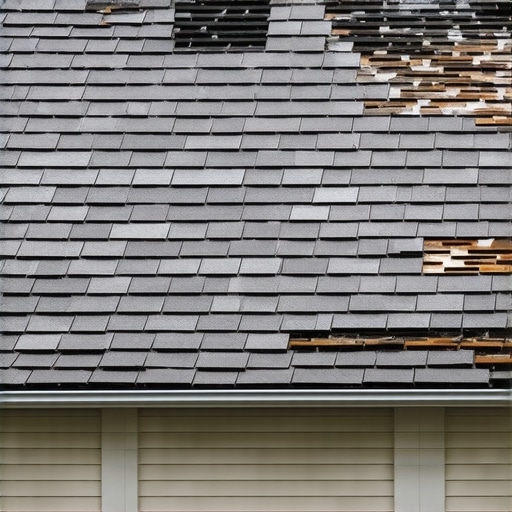
The Morning After: A Forensic Look at Your Roof’s Survival
You wake up after a night of howling winds and heavy rain, walk into the kitchen, and see it: a single, dark teardrop of water hanging from the ceiling fan. Most homeowners look at that drip and see a roof leak. I see a forensic crime scene. As someone who has spent over two decades crawling across hot asphalt and tearing off the mistakes of ‘trunk slammers’ who think six nails per square is a suggestion, I know that water on your ceiling is just the final act of a long tragedy. The real story started months ago when your shingles first lost their grip. In the trade, we call this the ‘physics of failure.’ When you hire local roofers to investigate, you aren’t just looking for a patch; you’re looking for why the bond broke.
My old foreman used to say, ‘Water is patient. It will wait for you to make a mistake.’ He was right. Water doesn’t need a hole the size of a fist to ruin your life; it just needs a microscopic path and a little help from the wind. In our humid, wind-battered climate, the lift is the beginning of the end. If a shingle isn’t fully bonded, the wind turns it into a lever, prying at the fasteners and exposing the vulnerable underbelly of your home.
1. The Horizontal Shadow: Visualizing Aerodynamic Lift
The first sign of shingle lifting isn’t a missing piece of asphalt; it’s a shadow that shouldn’t be there. From the ground, look at your roof during the ‘golden hour’—when the sun is low in the sky. If you see uneven horizontal shadows across a course of shingles, you’re looking at shingle lifting. This happens because of Bernoulli’s Principle. High-velocity wind moving over the roof peak creates a low-pressure zone above the shingles. Meanwhile, the air pressure inside your attic stays relatively high. This pressure differential creates an upward force. If the factory sealant strip has failed—perhaps due to poor installation or age—the shingle tab lifts just enough to catch more wind. Once that seal is broken, the shingle acts like a sail. It flaps, it vibrates, and it slowly pulls the nails loose. You can often spot hidden shingle lifting by looking for these subtle irregularities in the roof’s plane before the shingles actually blow off.
“A roof is only as good as its flashing and its bond strength. Without the latter, the former is irrelevant.” – Old Roofer’s Adage
2. The ‘Click-Clack’ Sound: Auditory Clues of Mechanical Failure
Sometimes you don’t see the lifting; you hear it. In high-wind regions, a lifting shingle makes a distinct sound. It’s a rhythmic, dull thudding or a ‘click-clack’ noise when a gust hits the house. This is the sound of the shingle tab being forced up and then slapping back down onto the layer below. Over time, this mechanical action fatigues the asphalt. It cracks the internal fiberglass mat and scrubs off the protective granules. If you hear this, you have a secondary water resistance issue in the making. The constant movement will eventually expose a shiner—a nail that was driven in crookedly or missed the structural member—which then provides a direct straw for water to be sucked into your plywood decking via capillary action.
3. The Crease Line: The Scar of High-Stress Events
If you have the guts to get on a ladder (which I don’t recommend for the average homeowner), look for a faint, dark horizontal line about an inch below the top of the shingle tab. This is a crease line. It indicates that the shingle has been lifted so many times that the granules have fallen off at the ‘fold’ point. Think of it like bending a piece of plastic back and forth until it turns white. Once a crease forms, the shingle’s structural integrity is gone. It is no longer a waterproof shield; it is a piece of compromised debris waiting for the next storm to carry it away. This is why many synthetic shingle felt systems are vital; they provide a backup layer, but they can’t save a roof where the primary layer is creased and failing across multiple squares.
4. Granule Migration and Gutter Clogs
When shingles lift and flap, they shed their protective ceramic granules at an accelerated rate. These granules are the ‘sunscreen’ for your roof. Without them, the UV rays in our tropical heat will bake the asphalt until it’s as brittle as a saltine cracker. Check your gutters. If you see piles of granules that look like coarse sand, your shingles are likely undergoing mechanical stress from lifting. This isn’t just ‘age’; it’s a sign that the aerodynamics of your roof are working against you. When the lifting occurs, water doesn’t just flow over the shingles; it gets driven *under* them, carrying these granules into the valley and eventually your downspouts, causing secondary drainage failures.
5. The Sealant Strip Autopsy
If you suspect a lift, a pro will perform a ‘tug test’ on random tabs. A healthy shingle should require significant force to pull up. If it pops up with the flick of a finger, the sealant strip has been ‘heat-killed’ or was never properly activated. In our region, if a contractor installs a roof in the dead of winter without hand-sealing each tab, the sealant strip might collect dust before the sun is hot enough to melt the adhesive. This results in a permanent failure to bond. You might think you have a new roof, but you actually have a thousand loose flaps of asphalt just sitting there. This is why checking for uplift ratings and ensuring your local roofers understand the specific wind codes of our zone is the difference between a 30-year roof and a 5-year disaster.
“The building envelope must be viewed as a continuous system where the failure of a single fastener can compromise the entire structural assembly.” – IRC Building Code Commentary
The Surgery: Fixing the Root Cause
You can’t just squirt some caulk under a lifting shingle and call it a day. That’s a band-aid on a gunshot wound. If the lifting is widespread, it usually points to a systemic installation error—like high-nailing. When nails are driven too high on the shingle, they miss the ‘common bond’ area, and the shingle has no mechanical resistance against the wind’s leverage. The ‘surgery’ involves removing the affected courses, checking for attic joint moisture, and re-installing with the correct nail pattern. If you ignore these signs, you’re not just risking a few shingles; you’re risking the plywood delamination of your entire deck. Water will find its way to the nail heads, rust them out, and then begin the slow rot of your home’s skeletal structure. Don’t wait for the dining room ceiling to fall. Watch the shadows, listen for the thud, and respect the wind.