
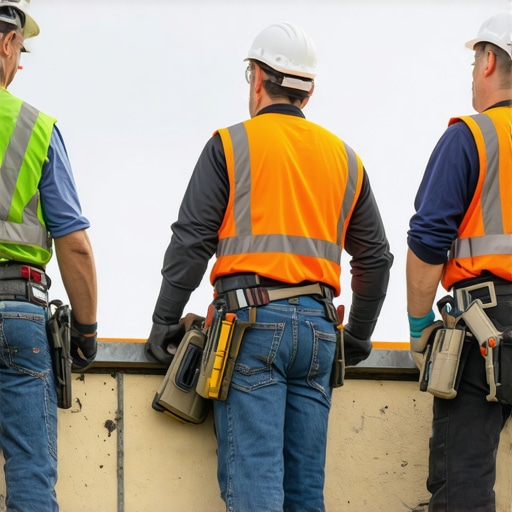
The High Cost of Haste in the Frozen North
I’ve spent a quarter-century looking at roof decks from the wrong side of a ladder. I’ve smelled the cloying, earthy scent of OSB that’s turned to mulch because a crew was in such a hurry to beat a November blizzard that they forgot the basics of physics. My old foreman used to say, ‘Water is patient. Gravity is faster.’ He wasn’t being poetic; he was warning me about the 180-pound man standing on a 8/12 pitch covered in early morning frost. In the roofing world, ‘fast’ is often a four-letter word that leads to a forensic investigation. When you see roofing companies boasting about how early and fast they can ‘bang out a square,’ your survival instincts should kick in. A roof isn’t just a layer of shingles; it’s a complex assembly of components that have to withstand thermal expansion, wind uplift, and the sheer weight of a three-foot snow load. If the crew isn’t focused on local project safety records, they aren’t just risking their necks—they are risking your property value.
“A roof is only as good as its flashing, but a crew is only as safe as its anchor points.” – Forensic Roofing Institute
1. The Traction of the Underlayment: Beyond the Felt
In colder climates like ours, the transition between autumn and winter is the danger zone. Most ‘trunk slammers’ still use organic felt paper. It’s cheap, it’s old-school, and it’s a death trap when it gets damp. It ripples, it tears under a boot, and it offers zero traction. Professional roofing companies that care about safety records have moved toward high-performance materials. When I’m investigating a fall or a leak, the first thing I look at is the underlayment. Synthetic shingle felt isn’t just about waterproofing; it’s about ‘walkability.’ It has a textured surface that grips the sole of a work boot even when there’s a light glaze of moisture. This material prevents the dreaded ‘slip and slide’ that happens when a roofer steps on a shiner—that’s a nail that missed the rafter and is just waiting to act as a ball bearing under a sheet of felt. Using a synthetic barrier is a mandatory step for any crew that wants to maintain a clean local safety record.
2. Structural Integrity: Identifying the Soft Spots
You can’t be safe on a roof that is rotting from the inside out. I once walked onto a job site in the middle of a reroof and felt the deck bounce. It felt like walking on a sponge. I knew exactly what I’d find: delaminated plywood caused by years of poor ventilation. If a roofer is moving ‘early and fast,’ they might not take the time to check for rafter rot. They just nail over it. This is how ‘incidents’ happen. A roofer steps between the rafters, the weakened plywood gives way, and suddenly you have a hole in your ceiling and a man in the hospital. Any reputable company will perform a thorough inspection to spot rafter rot and decking decay before a single boot touches the shingles. They look for the tell-tale white fuzz of mold or the darkening of the wood fibers that suggest the lignin has failed. A safe record is built on the foundation of a solid deck.
3. The Physics of the Fall: Anchors and Fall Protection
Let’s talk about the ‘Mechanism of Failure.’ When a roofer falls, it’s rarely because they just tripped. It’s usually a chain reaction. Maybe it’s a gust of wind catching a bundle of shingles, or a ladder that wasn’t tied off at the eaves. In my 25 years, I’ve seen that the best local roofers are obsessed with their tie-offs. They don’t just throw a rope over the ridge; they use certified anchor points screwed directly into the structural trusses. They understand the ‘swing fall’ hazard—the physics of what happens if you fall near the edge of a roof and the rope pulls you like a pendulum into the side of the house.
“Safety is not a checklist; it is the physical manifestation of professional pride.” – Old Roofer’s Adage
When a company is building safety compliance protocols, they are training their guys to anticipate these forces. If you see a crew on your roof without harnesses, they aren’t ‘tough’—they are a liability. If they fall, your homeowners’ insurance could be in the crosshairs, regardless of what their ‘contract’ says.
4. Verifying the Paperwork: Liability is Part of Safety
A safety record isn’t just a number on a website; it’s a paper trail. In the rush to get projects done ‘early,’ some companies let their insurance lapse. This is where the forensics get ugly. If a roofer gets hurt and the company doesn’t have valid workers’ comp, the homeowner is often the next line of defense in a lawsuit. I’ve seen families lose their savings because a ‘fast’ roofer didn’t have his paperwork in order. You must verify general liability and workers’ compensation before any work begins. Call the agent. Don’t just take a photocopied certificate. In our climate, where ice and snow increase the risk of every job, that insurance is the only thing protecting you from the financial fallout of a physical accident.
5. The Winter Hazard: Managing Snow Loads and Ice
Finally, building a safety record in the North means understanding the weight of the sky. We aren’t just dealing with rain; we’re dealing with ice dams and heavy accumulation. A crew that moves too fast might overlook the importance of snow load safety and proper ice shield installation. If they don’t install a cricket behind a large chimney, water is going to pool, freeze, and then expand, ripping the flashing right out of the masonry. That’s a safety issue for the house itself. The forensic reality is that most leaks I investigate aren’t caused by bad shingles; they are caused by ‘fast’ installers who didn’t understand how water moves sideways through capillary action under a shingle that isn’t properly sealed. A safe roofer is one who respects the physics of ice and the relentless nature of a winter thaw. They take the time to ensure every valley is lined and every square is nailed to the specific wind-rating requirements of our local codes. That is how you build a record that lasts longer than the next storm. Avoid the ‘early fast’ trap and look for the forensic-level detail that separates a veteran from a trunk-slammer. Your roof—and your peace of mind—depends on it.