
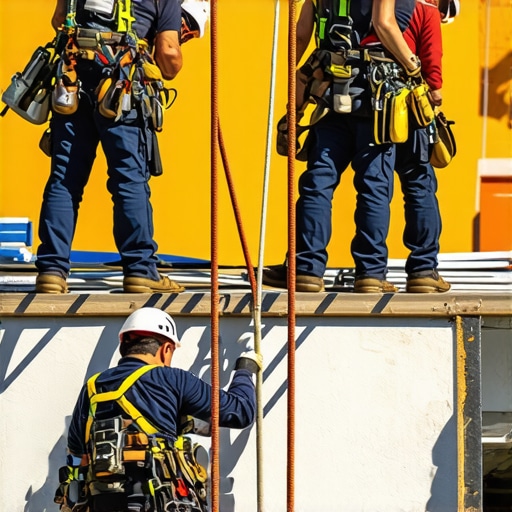
The Forensic Reality of the ‘Fast’ Roof
I’ve spent the better part of thirty years squinting at nail patterns and peeling back layers of shingles to find the rot underneath. Walking on that roof last July felt like walking on a damp sponge. I knew exactly what I’d find underneath because I’ve seen it a thousand times: a crew that moved too fast, ignored the fundamental physics of the deck, and left the homeowner with a liability nightmare. In the Southeast, where the humidity is thick enough to chew and the sun beats down with a 140-degree vengeance, speed isn’t a virtue; it’s a hazard. When you hear local roofers talking about getting a job done ‘fast early,’ you need to look closer at the safety protocols. Gravity doesn’t care about your project deadline, and neither does the asphalt when it starts to liquefy under a technician’s boot.
“A roof is only as good as its flashing, and a crew is only as safe as their last anchor point.” – Old Roofer’s Adage
The Physics of Thermal Shock and Crew Fatigue
In our region, the climate dictates the pace. We deal with wind-driven rain and salt air that eats through standard galvanized nails before the warranty even kicks in. When a crew tries to beat the afternoon thunderstorms by sprinting through a 30-square tear-off, they aren’t just risking a shiner—that’s a missed nail for you civilians—they are risking a catastrophic fall. The friction coefficient of your standard organic felt changes as the temperature rises. By 10:00 AM, that deck is a skating rink. This is why synthetic underlayment is a non-negotiable for me; it provides the grip that old-school felt loses the moment the dew evaporates. If your contractor isn’t talking about the slip-resistance of their materials, they aren’t thinking about their men, and if they aren’t thinking about their men, they aren’t thinking about your house.
Tip 1: The ‘Morning Dew’ Trap and Material Traction
The first rule of local project crew safety is acknowledging that the roof is a different beast at 7:00 AM than it is at noon. In high-humidity zones like ours, condensation settles into the grain of the plywood or the surface of the underlayment. A crew moving ‘fast early’ often skips the walk-through to check for slick spots. Professional roofing companies who value safety will wait for the burn-off. You’ll see them staging materials—carefully placing squares (100 square feet of shingles) over the load-bearing rafters—rather than rushing the first nail. If they are tossing bundles onto the ridge without a care, they are begging for a structural failure or a slide. You want to see the use of roof jacks and properly tensioned lifelines before the first shingle is even ripped.
Tip 2: Anchor Points and the Myth of the ‘Quick Tie-Off’
I’ve seen ‘trunk slammers’ tie their harnesses to a chimney. That’s not a safety plan; that’s a way to pull a chimney onto your head. According to the International Residential Code (IRC), safety anchors must be secured into the actual framing of the house. We’re talking about long bolts into the rafters, not just nails into the decking. When we zoom into the mechanism of a fall, it’s usually the result of a ‘quick tie-off’ that failed because the plywood was already compromised by attic bypass—warm air leaking up and rotting the wood from the inside out. You can spot a pro by how they inspect the deck for structural integrity before they trust it with their lives. If you suspect your roof is aging, check for structural damage early before anyone sets foot on it.
“Fall protection is not an option; it is a prerequisite for any professional roofing application.” – NRCA Safety Manual
Tip 3: Hydration, Attic Heat, and Cognitive Failure
The enemy in the South isn’t just the height; it’s the heat. A roof surface can easily reach 160 degrees. When the brain cooks, mistakes happen. A technician might forget to install a cricket—that’s the small peaked structure that diverts water away from the chimney—or they might leave a valley improperly flashed. These aren’t just quality issues; they are signs of heat exhaustion. A safe crew has a mandatory hydration schedule and a designated ‘cool-down’ spot. If you see a crew that hasn’t taken a break in four hours in 90-degree weather, you are looking at a crew that is about to mess up your flashing. I always tell homeowners to look for detailed estimates that include safety equipment and labor costs that allow for human breaks.
Tip 4: Managing Wind Uplift During Installation
In tropical zones, we don’t just worry about water; we worry about the wind. A half-finished roof is a sail. If a crew is moving ‘fast early’ and doesn’t properly secure the edges of the underlayment or the starter course, a sudden gust can peel the whole thing back. This is where secondary water resistance comes into play. It’s a self-adhering membrane that sticks to the deck. It’s harder to install and costs more, but it keeps the house dry even if the shingles blow off. Safety for the crew means not having to scramble on a wet, windy roof to throw a tarp during a squall. If the contractor isn’t checking the roof pitch safety requirements for wind-driven rain, they are cutting corners that will cost you ten times the ‘savings’ later.
Tip 5: Verifying the License and the Safety Record
Don’t take their word for it. Every ‘local roofer’ with a truck and a ladder claims they are the best. You need to see the paperwork. A high-quality company has a low EMR (Experience Modification Rate), which is a fancy way of saying insurance companies trust them because they don’t have accidents. Before you sign anything, you must verify a license status and ensure they have workers’ comp. If a worker falls on your property and the company isn’t covered, that’s your mortgage on the line. I’ve seen ‘out-of-state crews’ vanish the moment an inspector shows up to check their harness points. Stick with local pros who have skin in the game.
The Brutal Comparison: Pro Crews vs. The ‘Fast’ Guys
The ‘Fast’ guys will tell you they can do a whole house in a day. They might, but they’ll leave you with shingles that aren’t properly sealed because they didn’t wait for the thermal bond to set. They’ll skip the drip edge or use galvanic corrosion-prone nails to save fifty bucks. A professional crew knows that ‘fast’ is the byproduct of organization, not sprinting. They use proper roof edging techniques and ensure every valley is lined with ice and water shield, even if it’s not strictly required by the local code, because they know the physics of our climate better than the code-writers do. If you’re dealing with an insurance claim, make sure you know what your insurance covers regarding professional safety standards.
The Cost of Waiting vs. The Cost of Rushing
Waiting for a reputable crew is always cheaper than fixing a botched job. I recently inspected a home where the homeowner chose the ‘fast’ option. The crew had no fall protection and ended up putting a foot through a weak spot in the decking that they should have seen. They covered it up with a piece of scrap tin and shingled over it. Three months later, the homeowner had a leak that ruined their kitchen ceiling. That’s the legacy of ‘fast early.’ It’s a tapestry of shortcuts that eventually unravels. When you hire reliable roofing companies, you aren’t just paying for the shingles; you’re paying for the peace of mind that the people on your roof are safe, trained, and not about to fall through your living room ceiling. Don’t let a slick salesperson talk you into a ‘one-day’ roof unless they can show you the safety log to back it up.