
The Anatomy of an Invisible Disaster
You’re sitting in your living room in the middle of a Gulf Coast thunderstorm, listening to the rain hammer against the asphalt. Then you hear it. A rhythmic thwack-thwack-thwack. Most homeowners ignore it, thinking it’s just a loose gutter or a tree branch. But to a forensic roofer, that sound is the death rattle of a roof system. It’s the sound of shingle lifting, and by the time you see water dripping onto your hardwood floors, the battle is already lost. I’ve spent twenty-five years crawling over humid, 150-degree attic decks, and if there is one thing I’ve learned, it’s that water doesn’t need a hole to ruin your life; it just needs an invitation.
My old foreman used to lean against his truck, spitting coffee into the dirt, and say, ‘Water is patient, kid. It will wait for years for you to miss one nail, then it’ll move in and never leave.’ He was right. In our climate, where wind-driven rain hits sideways and the humidity eats through standard galvanized nails like they’re made of sugar, spotting shingle lifting early isn’t just a maintenance task—it’s a survival skill for your property value. When local roofers talk about ‘storm fast’ repairs, they’re usually reacting to a failure that started months ago during a minor breeze.
“The roof shall be covered with approved roof coverings secured to the building or structure in accordance with the provisions of this code.” – International Residential Code (IRC), Section R903.1
1. The Shadow Line: Reading the Roof’s Profile
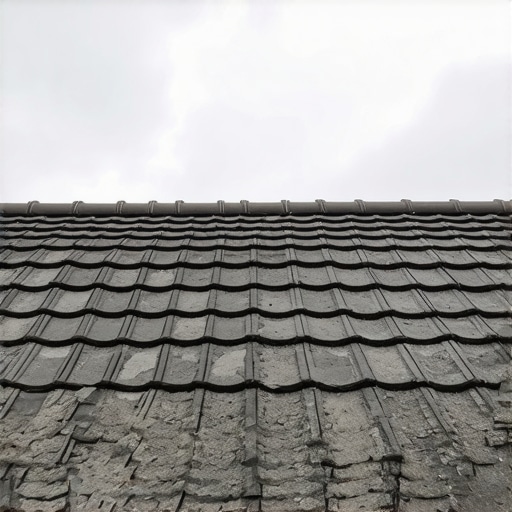
The first sign isn’t a leak; it’s a shadow. When the sealant strip—that thin line of asphalt adhesive meant to bond one shingle to the one below it—fails, the shingle tab begins to curl upward. From the ground, you might notice a slight irregularity in the horizontal lines of your roof. During the golden hour of sunset, look for tiny slivers of shadow under the tabs. If the roof looks ‘fuzzy’ or textured rather than flat, you’ve got lift. This is often the result of poor initial installation where the roofing services used high-nailing techniques, missing the reinforced nail zone entirely and leaving the tab to flap in the breeze like a loose tooth.
2. The ‘Shiner’ and the Pressure Differential
Physics is a cruel mistress on a roof. As wind speeds increase over the peak, it creates a low-pressure zone above the shingles—essentially trying to suck them off the deck. If your local roofers missed the mark and left a ‘shiner’ (a nail head exposed or driven at an angle), that nail becomes a pivot point. Once that shingle lifts even a fraction of an inch, capillary action takes over. Water doesn’t just fall; it gets sucked upward under the shingle, traveling against gravity to find the nail hole. I’ve seen hidden shingle lifting rot out a 4×8 sheet of plywood while the shingles on top looked perfectly fine to the untrained eye.
3. Debris Traps: The Forensic Evidence
Climb a ladder (safely, or better yet, hire a pro) and look at the valleys. If you find pine needles, silt, or granules tucked underneath the bottom edge of a shingle tab, you have a lifting problem. A sealed shingle shouldn’t allow a single grain of sand under its edge. If debris is getting in, so is the moisture. This is especially prevalent in areas where salt air accelerates the corrosion of the fasteners. Once that bond is broken, the shingle becomes a sail. I’ve seen entire squares of shingles peel back in a summer squall because a few ‘trunk slammers’ decided to skimp on the starter strip.
4. The Creased Tab: The Permanent Scar
A shingle that lifts repeatedly will eventually develop a horizontal crease across the top of the tab. It’s like bending a piece of cardboard back and forth; eventually, the fiberglass matting inside the shingle snaps. You’ll see a dark line where the granules have fallen off along the bend. This is a red alert. A creased shingle has zero structural integrity and will likely fly off during the next high-wind event. This is why spotting lifting early is the only way to avoid an emergency call-out.
“A roof is only as good as its flashing and the integrity of its thermal bond.” – Old Roofer’s Adage
5. Granule Scouring in the Gutters
Check your gutters. If you see an excessive amount of granules that look like coarse black sand, your shingles are being ‘scoured.’ When shingles lift and flap, they rub against the course above them, shedding their protective UV coating. This baldness leads to rapid thermal degradation. In the intense heat of a coastal summer, a bald shingle will curl and lift even faster, creating a vicious cycle of decay. If you’re seeing this, you need to verify a license status for a reputable contractor before the next storm season hits.
The Fix: Surgery vs. Band-Aids
When you catch lifting early, sometimes you can save the roof with a high-grade thermoplastic sealant. But if the matting is creased or the decking underneath feels spongy, you’re looking at a localized tear-off. Don’t let a ‘pro’ tell you that a bit of caulk will fix a systemic lifting issue. You need to address the root cause—usually poor ventilation or improper nailing. If the attic isn’t breathing, the shingles cook from the inside out, destroying the adhesive bond. If you’re dealing with immediate damage after a blow, you’ll need immediate storm patching to prevent the plywood from turning into oatmeal. Don’t wait for the ceiling to sag. Roofs don’t heal; they only get more expensive with time.