
The Invisible Layer That Saves Your Attic
Most homeowners spend weeks agonizing over the color of their shingles, but they wouldn’t know a quality underlayment if it hit them in the face. Down here in the humid, storm-lashed corridors of the Southeast, what sits between your shingles and your plywood deck is the only thing standing between a dry living room and a $40,000 mold remediation bill. After twenty-five years of pulling up rotted 1×6 boards and smelling the damp, earthy stench of failed organic felt, I’ve seen the industry shift from the old ways to the new. And let me tell you, the old ways were literally made of paper.
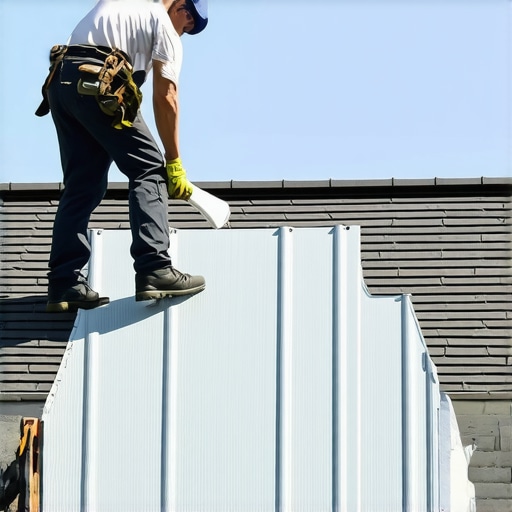
My old foreman, a man who had more roofing tar in his veins than blood, used to tell me every morning: ‘Water is patient. It will wait for you to make a mistake.’ He was right. Water doesn’t just fall; it creeps. It moves through capillary action, pulling itself sideways under a shingle, looking for a way to soak into the substrate. If you’re still using that old-school organic asphalt felt, you’re essentially wrapping your house in a giant sponge that’s waiting for its chance to fail. [IMAGE_PLACEHOLDER]
The Physics of Failure: Why Organic Felt is a Liability
To understand why synthetic shingle felt pads—properly known as synthetic underlayment—are the superior choice for modern roofing, you have to understand how organic felt dies. Organic felt is made of cellulose (recycled paper and wood fibers) saturated with asphalt. When the tropical sun beats down on your roof, reaching temperatures of 150°F, the asphalt in that felt begins to bake. It becomes brittle. When the next hurricane-force wind-driven rain hits, the paper fibers, which have been drying out for years, start to absorb moisture from the humid air. They expand. They contract. This constant ‘breathing’ causes the shingles on top to buckle and ripple, a phenomenon we call ‘telegraphing.’
“Underlayment shall be applied in accordance with the manufacturer’s installation instructions. For roof slopes from 2:12 to 4:12, underlayment shall be two layers.” – International Residential Code (IRC) Section R905.1.1
Once that felt buckles, it creates small air pockets. Water trapped in those pockets creates hydrostatic pressure, forcing liquid through the nail holes—or ‘shiners’ where a roofer missed the rafter—and directly into your decking. Synthetic pads don’t have this problem because they are made of woven polypropylene or polyethylene. They don’t absorb water. They don’t grow mold. They don’t care about the humidity in the Gulf Air.
1. Unmatched Tear Strength and Wind Resistance
In high-wind zones like Houston or the Florida coast, your roof isn’t just sitting there; it’s under constant uplift pressure. If a storm rips a few shingles off your roof, your underlayment becomes the primary water barrier. Old-fashioned 15lb or 30lb felt has the structural integrity of a wet grocery bag. A stiff wind will rip it right off the staples. Synthetic underlayment, however, is incredibly tough. You can’t rip it with your hands. During a storm, this high tear strength means that even if you lose shingles, the synthetic pad stays tacked to the deck, preventing the ‘oatmeal plywood’ scenario that leads to a full collapse. Many local roofers prefer synthetics because they can leave a roof ‘dried in’ for weeks if a supply chain delay hits, and it won’t degrade like felt would.
2. The Moisture Barrier That Actually Breathes
One of the biggest misconceptions in roofing is that a roof should be an airtight seal. In the Southeast, your attic is a pressure cooker of heat and moisture. If you seal that moisture in with a non-breathable barrier, you’ll end up with moisture trapped in your insulation. High-quality synthetic pads are engineered with a specific perm rating. They are waterproof from the top down, but they allow a tiny amount of vapor to escape from the bottom up. This prevents the underside of your plywood from rotting because it can’t ‘sweat.’ This is a huge upgrade over the oil-slicked paper of the past, which trapped everything and led to premature rafter decay.
3. UV Stability and ‘Dry-In’ Longevity
If you’ve ever seen a roof under construction that looks like it’s covered in gray or blue plastic, you’re looking at synthetic underlayment. Unlike felt, which starts to curl and crack after just a few days of UV exposure, most synthetics are rated for 60 to 180 days of direct sun. For roofing companies managing large projects, this is a lifesaver. It means the interior of the home is protected even if the shingles aren’t delivered on time. This UV stability also means the material doesn’t become brittle under your shingles ten years down the line. It stays flexible, moving with the thermal expansion and contraction of your home throughout the seasons. If you’re concerned about the long-term health of your structure, checking the best underlayments for extreme weather is the first step in a forensic-grade roof design.
4. Safety on the Slope
Roofer safety isn’t just about harnesses; it’s about the surface under our boots. When organic felt gets wet—or even just dusty—it becomes a skating rink. I’ve seen guys slide off a 6:12 pitch because a little morning dew hit a patch of 30lb felt. Synthetic underlayment is designed with a non-woven, textured top layer. It grips your boots like Velcro, even when wet. A safer crew is a more efficient crew, and they’re less likely to make mistakes like improperly nailing shingles when they aren’t worried about falling to their deaths. When you hire roofing companies, ask them if they use cap nails or staples on their synthetic; cap nails provide better wind uplift resistance and prevent leaks at the penetration point.
“The performance of a roof system depends on the integration of all components, beginning with the substrate.” – National Roofing Contractors Association (NRCA)
The Warranty Trap: Don’t Get Fooled by Marketing
Contractors love to throw around the phrase ‘Lifetime Warranty.’ In the roofing world, that usually means the shingle manufacturer will give you a few bucks for the material if it fails, but they won’t pay for the labor, the dumpster, or the damaged plywood underneath. However, many manufacturers now require a full ‘system’ to honor their best warranties. This usually includes their specific brand of synthetic underlayment, starter shingles, and ridge vents. If you let a ‘trunk slammer’ install cheap felt under a high-end shingle, you might be voiding the very protection you think you’re buying. Always make sure your roofing contract is ironclad regarding the specific materials being used. Don’t let them hide behind the word ‘underlayment’—demand the synthetic specs.
At the end of the day, your roof is a system, not a product. Each layer has a job to do. The synthetic pad’s job is to be the final, toughest line of defense. It handles the ‘shiners,’ the ‘valleys,’ and the ‘crickets’ where water likes to congregate. If you’re investing in your home’s future, don’t let a contractor talk you into the cheap stuff just to shave five hundred bucks off the estimate. You’ll pay for it ten years from now when the algae starts to bloom and your ceiling starts to sag. If you see signs of trouble early, like shingle lifting after a storm, it’s often the underlayment that determines if you have a repair or a catastrophe on your hands.