
The Autopsy of a Dining Room Disaster
The call came in at 2:00 AM on a Tuesday during a tropical depression. The homeowner didn’t describe a leak; they described a waterfall hitting their mahogany dining table. By the time I arrived the next morning, the smell of damp drywall and the sour tang of wet insulation filled the air. Walking on that roof felt like walking on a sponge. I knew exactly what I’d find underneath: a valley flashing that had pulled loose, turning a 140-square roof into a massive funnel that directed every gallon of water straight into the attic. Most local roofers see a loose valley and think it just needs a few more nails. They’re wrong. That’s how you end up with a shiner—a missed nail that rusts out and becomes a new leak point within three seasons.
The Physics of Failure: Why Valleys Are Your Roof’s Weakest Point
In the Southeast, where wind-driven rain hits with the force of a pressure washer, a roof valley isn’t just a joint; it’s a high-velocity canal. When you have two roof planes meeting, they concentrate runoff. We aren’t talking about a few drops; we are talking about hundreds of gallons per hour during a heavy storm. If the flashing is loose, you encounter a phenomenon called capillary action combined with hydrostatic pressure. Water doesn’t just flow down; it gets sucked sideways under the shingles. If the valley metal isn’t seated perfectly, the wind gets under it, creates a vibration that pulls fasteners loose, and eventually, the whole system fails.
“Valleys shall be lined with metal, tile, or other approved materials. The valley lining shall be installed in accordance with the manufacturer’s installation instructions.” – International Residential Code (IRC) R905.2.8.2
This isn’t a suggestion; it’s the physics of survival for your home. If your roofing companies aren’t checking the tension of these metal channels, they aren’t doing their job.
Fix 1: The Strategic Re-fastening (Avoiding the Shiner)
The first instinct for many amateur local roofers is to hammer nails directly through the center of the valley metal. That is a death sentence for the roof. Thermal expansion means that metal will grow and shrink as the sun beats down on it. If it’s pinned too tightly with direct fasteners, it will buckle. The fix is to use expansion clips or cleats that allow the metal to move while keeping it tight to the deck. When we find loose flashing, we back out any old, rusted nails and replace them with stainless steel fasteners located at least 8 inches away from the center of the valley. We ensure there are no shiners—nails that missed the rafter or the solid decking—because those become conduits for moisture. If you suspect your underlayment is already compromised by poor fastening, you should look for signs of 2026 underlayment fail to ensure the rot hasn’t spread into the plywood.
Fix 2: High-Performance Sealant Injection
Sometimes the flashing isn’t entirely gone, but the seal between the shingle and the metal has been breached by UV degradation. In the heat of a Houston or Miami summer, standard caulking turns to brittle plastic in eighteen months. We use bio-based, high-stretch sealants that maintain flexibility even when the roof surface reaches 160°F. We lift the shingle edges—carefully, so we don’t cause shingle lifting—and inject a continuous bead of sealant along the metal-to-bitumen interface. This creates a secondary gasket that stops wind-driven rain from being pushed uphill under the shingles.
Fix 3: The Metal Flashing Cleat Integration
For open valleys where the metal is exposed, wind uplift is the primary enemy. If the edges of the metal aren’t secured, the wind can literally peel the valley out of its seat. We install a continuous cleat—a strip of metal that hooks over the edge of the valley flashing and is nailed to the deck. This hides the fasteners under the metal and provides a mechanical lock. This is the difference between a ‘repair’ and a permanent forensic fix. If your current roofing is showing signs of age, you might want to ask 3 questions for 2026 metal roofers before deciding on a full replacement.
Fix 4: Underlayment Reconstruction (The Surgery)
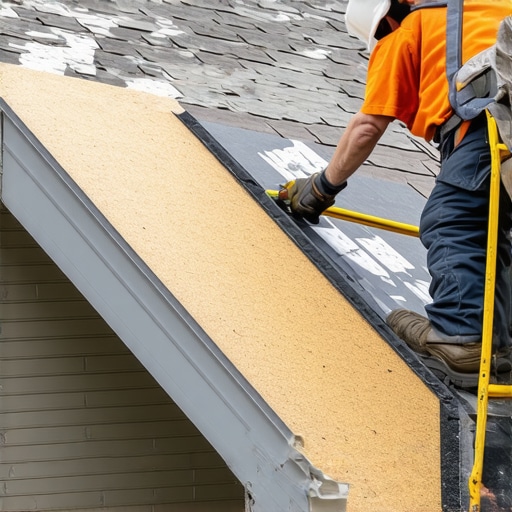
If the valley has been loose for more than a few months, the wood underneath is likely soft. I once tore off a valley where the plywood had turned to the consistency of wet cardboard because the installer forgot to overlap the ice and water shield. The ‘surgery’ involves removing the shingles three feet back on each side, stripping the old felt, and installing a heavy-duty, self-adhering modified bitumen membrane. This acts as a backup roof. Even if the metal flashing were to vanish, this membrane would hold the line. Using PVC flashing in these high-stress zones can also provide superior longevity compared to cheap galvanized steel that eventually rusts at the nail holes.
Fix 5: Proper Shingle Weave and Cut Correction
Often, a loose valley is the result of a bad ‘closed’ valley install where the shingles weren’t cut back far enough from the center, or they weren’t dubbed (cutting the top corner off the shingle to redirect water into the valley). We go back in and professionally trim the shingles to create a clean path for the water. We also look for the ‘cricket’—a small false roof built behind chimneys or large gables—to ensure water isn’t being dammed up before it even hits the valley.
“A roof is only as good as its flashing.” – Old Roofer’s Adage
If the water doesn’t have a clear, unobstructed path to the gutter, it will find a way into your living room. If you notice leaks appearing after a storm, you must take immediate steps for patching to prevent the framing from rotting. The cost of waiting is never just the price of a few shingles; it’s the price of your ceiling, your floors, and your health when the mold starts to grow in the dark corners of the attic.