
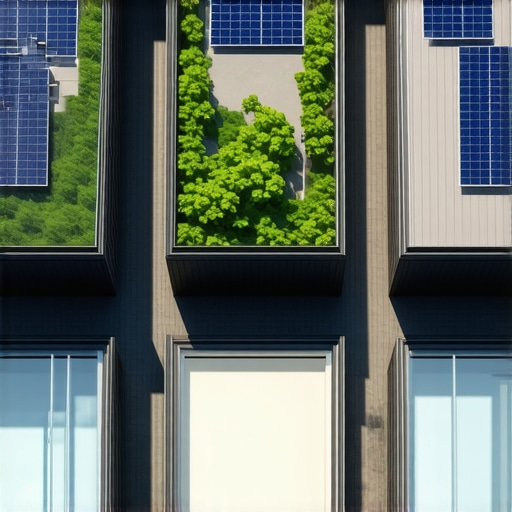
The Myth of the ‘Forever’ Green Roof
Every year, I see storefront owners in the Southwest get sold a bill of goods by some ‘trunk slammer’ in a polo shirt promising an eco-friendly roof that will last forever. Here’s the reality: the desert sun doesn’t care about your marketing brochure. It’s a 140°F UV-blasting hammer that treats your storefront roof like a piece of bacon. My old foreman, a guy who had calluses thicker than a standard asphalt shingle, used to tell me every morning while we were loading the truck: ‘Water is patient. It will wait for years to find that one shiner you left in the valley, just so it can rot out your headers while you sleep.’ But in this heat, it’s not just water; it’s thermal shock. You have 40-degree temperature swings between midnight and noon, causing your roofing materials to expand and contract like a dying accordion. If your roofing companies aren’t talking about thermal movement, they aren’t roofing; they’re just decorating.
1. Reflective TPO with Heat-Welded Seams
In the world of commercial storefronts, Thermoplastic Polyolefin (TPO) is the workhorse. But for 2026, the ‘eco’ part isn’t just the white color that reflects UV; it’s the chemistry of the polymer. A lot of local roofers will try to save time by using glue or tape on the seams. That’s a death sentence in the desert. Glue dries out, becomes brittle, and eventually, the wind finds a way under the flap. You want a crew that uses robot welders to create a monolithic bond. This is why 2026 roofing companies prefer 2026 TPO heat seams—it turns the entire roof into a single, continuous sheet. When the sun hits, that white surface keeps the plenum space below significantly cooler, reducing the load on your AC and preventing ‘thermal bridging’ through the fasteners.
“A roof is only as good as its flashing.” – Old Roofer’s Adage
2. Recycled Composite and Slate Systems
If your storefront has a steeper pitch, you might be looking at shingles. Standard asphalt is essentially a petroleum-based sponge that starts shedding granules the moment it gets hot. For a more sustainable approach, recycled slate or synthetic shake is the way to go. These materials are often made from post-consumer plastics and rubber, but more importantly, they are incredibly dense. This density provides a higher R-value and resists the impact of those sudden desert hailstorms that turn cheap shingles into swiss cheese. You can find more about the benefits of 2026 recycled slate tiles here. Just remember, these are heavy. If you don’t check for roof decking decay before installation, you might find your new ‘eco’ roof sitting in your cash register one morning.
[IMAGE_PLACEHOLDER]
3. Bio-Mats and Vegetative Systems
Storefronts in urban heat islands are increasingly turning to ‘living roofs.’ It sounds great on a permit application, but it’s a forensic nightmare if done wrong. You are essentially putting a swamp on top of a building. The physics of failure here usually starts with the root barrier. If roots penetrate the membrane, you get capillary action pulling moisture into the substrate. You need a secondary water resistance layer and a drainage system that actually works. Most roofing companies use 2026 bio-mats to provide a stable growth medium that doesn’t wash away in a monsoon. If the drainage isn’t perfect, you’ll be calling someone to fix roof drains within the first eighteen months. It’s not just about the plants; it’s about the layers of protection underneath them.
4. Kynar-Finished Standing Seam Metal
Metal is the king of recyclability. A standing seam metal roof can last fifty years if you treat it right. The ‘eco’ secret here is the finish. A Kynar 500 coating doesn’t just look pretty; it has high emissivity, meaning it sheds heat back into the atmosphere rather than absorbing it. This is specifically why roofing companies prefer 2026 kynar finishes. The main issue I see with metal in the Southwest is fastener failure. Metal expands and contracts significantly. If the installer didn’t use floating clips, those fasteners will eventually ‘back out’ or snap. You need to know how to spot nail pop leaks before they turn into a full-blown internal waterfall during the rainy season.
5. Solar Ventilation and Attic Management
Sometimes the most eco-friendly thing you can do for your storefront isn’t the material itself, but how you handle the air underneath it. In a hot climate, a stagnant attic or plenum is an oven. It bakes the roofing material from the inside out. Integrating solar-powered fans can drop attic temperatures by 30 degrees, extending the life of your membrane and shingles. I’ve seen TPO roofs last five years longer simply because the owner installed attic solar fans. It stops the ‘cooking’ effect. Without proper airflow, you’ll find yourself looking for PVC sealants to patch up cracks caused by excessive heat-related embrittlement.
“Thermal shock is the primary driver of premature membrane fatigue in arid climates.” – Roofing Engineering Monthly
The Warranty Trap: Don’t Get Fooled
Before you sign a contract for one of these ‘eco-friendly’ solutions, read the fine print. A ‘Lifetime Warranty’ usually only covers the material, not the labor to replace it when it fails because some kid with a nail gun hit a ‘shiner’ and didn’t care. True sustainability comes from the details: the crickets behind the HVAC units to divert water, the kick-out flashing at the wall intersections, and the quality of the ‘boots’ around the vent pipes. If you’re seeing water on the floor, the damage is already done. You’re no longer looking at a repair; you’re looking at forensic surgery. Invest in the right materials and the right tradesmen now, or you’ll be paying for it in rotted plywood and lost business later.