
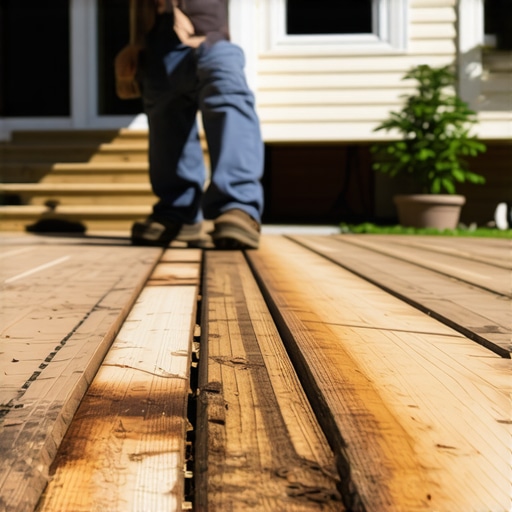
The Anatomy of a Failing Roof Deck
Walking on that roof felt like walking on a sponge. I knew exactly what I’d find underneath. It wasn’t just a minor leak; it was the slow, rhythmic pulse of a structural system being eaten alive by moisture. As a forensic roofing veteran, I’ve seen this scene play out across thousands of squares of residential roofing. When homeowners hire roofing companies that prioritize speed over science, the deck—the very bones of your shelter—becomes the casualty. In our humid, wind-swept Southeast climate, water is not a visitor; it is a persistent squatter that uses capillary action to defy gravity and ruin your investment.
The deck is the foundation. If you lay the most expensive architectural shingles over a rotted deck, you’re just putting a tuxedo on a corpse. You can’t nail into oatmeal. In 2026, the technology for identifying these failures has advanced, but the physics of rot remain the same: heat, moisture, and organic material. If you ignore the warning signs, you aren’t just looking at a shingle replacement; you’re looking at a full structural tear-off, and the price tag for that surgery is enough to make any homeowner wince.
“The roof assembly shall provide weather protection for the building and shall be installed in accordance with this code and the manufacturer’s installation instructions.” – International Residential Code (IRC) R903.1
1. The Spongy Walk: A Structural Sinking Feeling
If you or a technician are walking the roof and feel a ‘give’ underfoot, the game is already halfway over. This ‘sponge’ effect happens when the resins holding the layers of plywood or OSB together have hydrolyzed. In the trades, we call this delamination. When water gets past the underlayment, it saturates the wood fibers. Because of the high humidity in regions like Florida or Houston, the wood never truly dries out. It stays in a state of permanent dampness, turning the structural integrity into something resembling wet cardboard. If your buckling shingles are moving when you step on them, the deck has likely lost its nail-holding capacity. A shiner—a nail that missed the rafter—will only accelerate this by providing a direct conduit for water to travel into the attic.
2. Dark Stains and ‘Ghosting’ in the Attic
Forensics doesn’t always happen on the top side. You have to get into the hot, miserable 140°F attic space to see the truth. Look for dark, circular stains on the underside of the sheathing. This is the first stage of fungal blooming. As the wood rots, it releases a distinct, earthy smell—the scent of acetic acid and microbial volatile organic compounds. If you see white or black fuzz on the rafters, you aren’t just dealing with a leak; you’re dealing with attic mildew that is feeding on your home’s skeleton. Local roofers often miss this because they don’t bother to check the intake ventilation, leading to a stagnant air environment where rot thrives.
3. Telegraphing Ridges and Humps
When plywood rots, it swells. It doesn’t swell evenly; it distorts. From the ground, if you look at your roof during the ‘golden hour’ of sunset, you might see horizontal or vertical ridges that look like the roof is ‘telegraphing’ the lines of the wood panels underneath. This is a sign that the edges of your decking sheets have expanded and are pushing against each other because the original installers didn’t leave a 1/8-inch gap for thermal expansion. This pressure, combined with moisture, leads to rapid decay at the seams. If you notice these humps, check your eave damage, as moisture often pools at the lowest points first, rotting the starter strip area before moving up the slope.
“A roof is only as good as its flashing and the substrate it is attached to.” – Old Roofer’s Adage
4. Nail Pops and Rusted Fasteners
Physics doesn’t lie. When wood rots, it shrinks and expands violently with the temperature. This movement creates a ‘jack-in-the-box’ effect where nails are physically pushed out of the wood. These are ‘nail pops.’ If you see shingle tabs lifted by a small metal protrusion, the deck underneath is likely too soft to grip the shank of the nail. Furthermore, if you see rust streaks on your fascia or dripping from the soffit, it indicates that the galvanized coating on the nails has failed due to constant contact with wet wood. This is often linked to drip edge corrosion, where water wicks back under the shingle because the metal wasn’t installed with a proper kick-out or overlap.
5. The Presence of Secondary Water Resistance Failure
In high-wind zones, we use SWR (Secondary Water Resistance). This is usually a peel-and-stick membrane. The problem? If it’s applied over damp wood or if the wood rots from the *bottom* up due to poor attic ventilation, the membrane hides the rot until the deck is structurally unsound. You might have shingles that look perfect, but the wood underneath is a disaster. This is why forensic inspection is vital. Many roofing companies will simply ‘roof over’ minor soft spots to save time. Never let a contractor tell you that a small soft spot ‘will dry out.’ It won’t. It will only spread like a cancer until the next hurricane or heavy storm forces a catastrophic failure. If you suspect your deck is compromised, ask for a Lidar scan or a moisture probe to verify the substrate’s density before signing any contract.
This article hits the nail on the head about the importance of thorough inspections before a major roof repair or replacement. I remember a project where we caught early signs of deck rot during a routine attic check, thanks to dark stains and fungal smells. Addressing these issues early saved the homeowner thousands and avoided a complete tear-off. It makes me wonder, how many homeowners are actually aware of these subtle signs and the importance of professional inspections? Given the high humidity and heavy rainfall in our region, I think regular attic ventilation checks combined with moisture probes could be game-changers in preventing rot. Has anyone used thermal imaging or Lidar scans for early detection? I’m curious about how accessible this technology has become for the average homeowner or small contractor. Proper education and proactive maintenance seem to be the best route to extend the life of our roofs and save costs in the long run.