
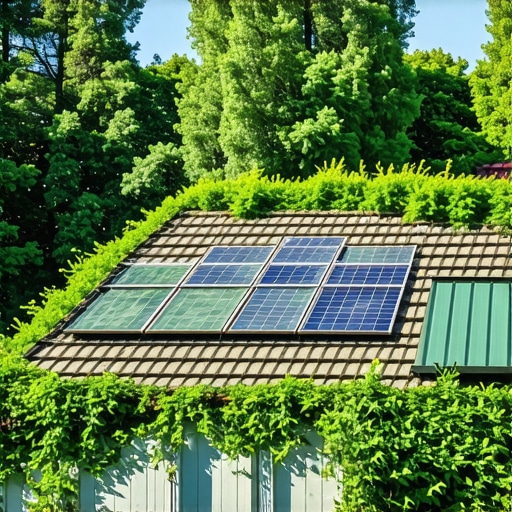
The Scorched Earth Reality of Modern Roofing
I’ve spent the last quarter-century crawling across baking-hot decks in places like Phoenix and Las Vegas, where the roof surface temperature regularly hits a blistering 160°F. My old foreman used to say, ‘Water is patient. It will wait for you to make a mistake.’ But out here in the high desert, water is a secondary threat. The real predator is the sun. It’s the UV radiation that cooks the life out of your shingles, turning a 30-year product into a brittle, crumbling mess in less than a decade. Most homeowners don’t realize their roof is failing until they see a shiner—a missed nail—rusting out or until they notice the distinct smell of scorched, dry-rotted felt during a summer attic inspection. By then, you’re usually looking at 3 signs of roof decking decay that could have been avoided with a more resilient material choice.
“Roofing systems shall be designed and installed in accordance with this code and the manufacturer’s installation instructions.” – International Residential Code (IRC), Section R903.1
The Physics of Failure: Why Traditional Materials Are Losing the War
Traditional asphalt shingles rely on petroleum-based volatiles to stay flexible. In a high-heat climate, those volatiles evaporate through a process called outgassing. This leads to thermal shock—where the material expands rapidly during the day and contracts at night—causing the granules to slough off and the edges to curl. This is where 2026 eco-roofing materials change the game. We aren’t just talking about being ‘green’ for the sake of the planet; we are talking about using recycled polymers and reclaimed minerals that have already survived a first life and are engineered to withstand molecular breakdown. If you are tired of the cycle of replacement, you need to understand the mechanism of these six recycled contenders.
1. Recycled Rubber (The Tire Reincarnation)
Recycled rubber shingles, often sourced from discarded truck tires, are the heavyweight champions of impact resistance. While a standard asphalt shingle will bruise or crack under a 1-inch hailstone, rubber is elastically superior. It absorbs the kinetic energy of the impact and returns to its original shape. In a forensic tear-off, you’ll see that rubber doesn’t suffer from the same ‘alligatoring’ cracks that plague bitumen products. The carbon black already present in the tires acts as a built-in UV stabilizer, preventing the sun from shattering the material’s polymer chains. Local roofing companies are increasingly pushing these because they reduce callbacks for minor storm damage.
2. Post-Consumer Plastic Composites
These are often made from recycled milk jugs and detergent bottles, blended with wood fibers or slate dust. The key here is the thermal expansion coefficient. In the desert, a roof can expand and contract by half an inch across a single square (100 square feet). Traditional plastic would buckle, but 2026 composites use advanced cross-linking agents that keep the material stable. This prevents the lifting of the valley flashing, which is a common site for water entry when materials move at different rates. If you’ve looked at the truth about cheap roofing materials this year, you know that plastic composites are the premium alternative that actually lasts.
[IMAGE_PLACEHOLDER]
3. Reclaimed Metal Panels
Metal has always been a top-tier choice for heat rejection, but the eco-friendly move for 2026 is using reclaimed aluminum and steel. This isn’t just about saving energy during manufacturing; it’s about the emissivity of the surface. A recycled metal roof with a Kynar finish can reflect up to 70% of solar radiation. This prevents the heat from ever reaching the attic, stopping the ‘oven effect’ that bakes your rafters. However, you have to be careful with the fasteners. If a roofer uses the wrong screws, you’ll end up needing to know how to spot hail damage on metal roofs or corrosion early on.
4. Recycled Glass Shingles
One of the more innovative entries for 2026 is the glass-composite shingle. Made from pulverized recycled glass and a resin binder, these shingles are nearly impervious to the ‘thermal shock’ that kills asphalt. Glass doesn’t outgas. It doesn’t lose its shape. From a forensic perspective, these are fascinating because they provide a non-porous surface that inhibits algae growth and prevents the ‘wicking’ action where moisture is pulled into the edges of the shingle through capillary action.
5. Bio-Based Bio-Mats
We are seeing more roofing companies moving toward underlayments and mats derived from agricultural waste rather than petroleum. These bio-mats provide a secondary water barrier that is actually more breathable than old-school felt. This is vital in the Southwest, where you don’t want to trap moisture against the deck, leading to powdered wood and structural failure. There are 7 reasons roofing companies use bio-mats, and most of them come down to the fact that they don’t rot when exposed to the high-humidity micro-climates that can form under a poorly ventilated roof.
6. Reclaimed Slate and Clay Tile
While not ‘recycled’ in the sense of being melted down, the reclamation of slate and clay is a massive trend. These materials have already lasted 100 years on a building; they will likely last another 100 on yours. The density of clay provides a ‘thermal mass’ effect, slowing the transfer of heat into the home. For a proper installation, you must ensure your cricket—the small peaked structure behind a chimney—is properly flashed with compatible metals to prevent the common leaks that plague these heavy systems.
“A roof is only as good as its flashing.” – Old Roofer’s Adage
The Marketing Trap: Why Warranties Are Often Meaningless
Before you sign a contract with any roofing companies, let’s talk about the ‘Lifetime Warranty’ scam. Most of these warranties are pro-rated and only cover manufacturing defects, not the ‘acts of God’ or the installer errors that actually cause roofs to fail. If a ‘trunk slammer’ installs your recycled rubber roof but misses the drip edge or fails to secure the ridge cap properly, that manufacturer warranty is a piece of waste paper. You need to ask 3 myths about 2026 roof longevity before you commit. A recycled material is only an ‘eco-solution’ if it doesn’t end up in a landfill in fifteen years because of a bad installation. Always check is a 30-year warranty actually worth it to see if the paper matches the performance.
The Final Forensic Verdict
Choosing a recycled material in 2026 isn’t just a moral choice; it’s a technical one. You are selecting materials that are engineered to survive the physics of a changing climate. Whether it’s the impact resistance of rubber or the reflective power of reclaimed metal, these materials offer a path out of the ‘replacement cycle’ that keeps local roofers busy every ten years. Don’t let a contractor talk you into the cheapest ‘contractor grade’ asphalt square just because it’s what they have on the truck. Demand a material that respects the sun and the structure it’s protecting.