
The Chemistry of a Melting Roof
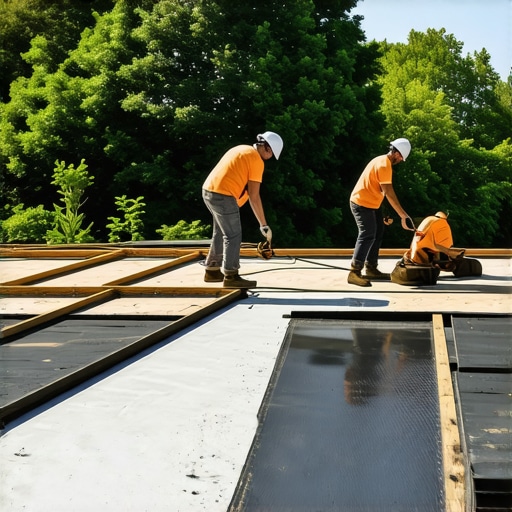
Walking on that roof in the peak of July felt like walking on a sponge. I knew exactly what I’d find underneath before I even pulled my pry bar. The shingles weren’t just old; they were de-volatilizing. In my twenty-five years of forensic roofing inspections, I’ve seen thousands of squares of asphalt shingles simply give up the ghost because the petroleum-based oils migrated out of the mat, leaving behind a brittle, glass-fiber skeleton that cracks if a bird lands on it too hard. This is the reality for local roofers who have spent decades dealing with the declining quality of crude-oil bitumen. But by 2026, the industry has hit a pivot point. The shift toward bio-resins isn’t just a nod to the environment; it is a desperate move for durability in a world where the sun is getting hungrier.
“The asphalt shingle is essentially a sponge of paper or fiberglass soaked in the lowest-grade leftovers of the gasoline refining process.” – Modern Materials Engineering Journal
The Physics of Petroleum Failure
To understand why roofing companies are jumping ship to bio-resins, you have to understand the ‘Mechanism of Desiccated Failure.’ Traditional shingles rely on bitumen—the heavy, sticky dregs of a barrel of oil. When the sun beats down on a roof, it triggers photo-oxidation. This process breaks the long-chain polymers in the asphalt. Think of it like the moisture in a piece of leather. Once the oils are gone, the leather cracks. In a shingle, once those oils migrate, the granules lose their grip and wash into your gutters, leaving the roof vulnerable to UV and water. This is where we see the dreaded ‘shiner’—those missed nails that start to weep rust because the shingle has shrunk and exposed the shank. Roofing systems in 2026 are moving toward bio-resins derived from soy, pine, and corn because these engineered polymers don’t off-gas the same way petroleum does. They stay flexible, maintaining their ‘grip’ on the fiberglass mat through thousands of thermal expansion cycles.
Why Bio-Resins are the Contractor’s Secret Weapon
If you ask any veteran roofer about the biggest headache on a job site, it’s not the pitch; it’s the ‘scuff factor.’ In high heat, traditional asphalt becomes soft, like a chocolate bar in a pocket. If a crew walks on it, they leave permanent scuff marks, destroying the aesthetic. Bio-resins have a much higher ‘Glass Transition Temperature.’ This means they stay firm under foot but remain flexible at the molecular level. For local roofers, this means fewer call-backs for cosmetic damage. Furthermore, the molecular cross-linking in bio-resins creates a superior bond for the seal strip. When the wind picks up, you don’t want to hear the sound of shingles flapping like a deck of cards. You want a chemical bond that requires a crowbar to break.
“A roof is only as good as its flashing, but its longevity is dictated by the molecular stability of its binder.” – Old Roofer’s Adage
The Capillary Action Trap
When a roof fails, it’s rarely a catastrophic hole. It’s a slow, insidious creep. Water uses capillary action to move sideways. It finds a tiny crack caused by a brittle petroleum shingle, hitches a ride under the course, and sits against the plywood. Bio-resins are inherently more hydrophobic. While asphalt is somewhat porous at a microscopic level, these new 2026 resins create a non-porous shield. This prevents water from ‘wicking’ into the matting. I’ve seen roofing companies pull off bio-resin prototypes after five years of coastal humidity, and the plywood underneath looks like it just came from the lumber yard. No mold, no ‘oatmeal’ texture, no rot. This is why the ‘Lifetime Warranty’ marketing fluff is finally being replaced by actual material science.
The Economic Reality of the 2026 Roof
Let’s talk turkey about the cost. Yes, bio-resin systems carry a premium. But when you factor in the ‘shingle life cycle,’ the math shifts. A traditional 30-year shingle in a high-UV zone like the Southwest or the humid Southeast rarely makes it to year 20 without looking like a topographical map of the moon. Roofing experts are pushing bio-resins because the labor to replace a roof is the same regardless of the material. If you spend 20% more on material but gain 40% more functional life, you’ve won. Plus, for the guys on the ridge, bio-resins are lighter. A ‘square’ of bio-resin shingle doesn’t break the back like the heavy, rock-laden asphalt of the past. It’s easier to install around complex areas like a cricket or a deep valley, where flexibility is the difference between a dry attic and a mold farm.
The Forensic Conclusion
The transition to bio-resins isn’t some ‘green’ fad; it’s an engineering necessity. We’ve pushed petroleum products as far as they can go. As local roofers continue to see the accelerated decay of standard bitumen under harsher weather patterns, the move to stable, engineered resins is the only way to keep the water out. Don’t let a ‘trunk slammer’ tell you that all shingles are the same. They aren’t. One is a waste product of the 20th century; the other is the future of home protection. If you’re looking at a replacement in 2026, demand to see the resin specs. Your attic, and your wallet, will thank you when the next storm rolls through and your shingles stay exactly where they belong.