
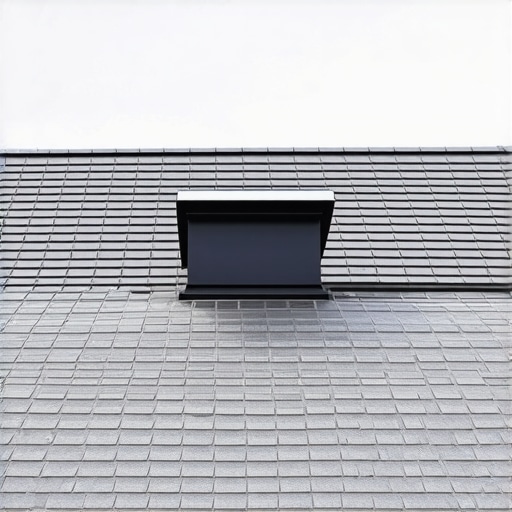
The Evolution of Ventilation: A Forensic Look at the Bio-Resin Shift
My old lead, a guy who had been nailing down 3-tabs since the late 70s, always told me, ‘Water is patient. It will wait for you to make a mistake, and then it will invite its friends into the attic for a party your wallet can’t afford.’ That old-school wisdom hasn’t changed, but the tech has. Standing on a 10/12 pitch roof in the thick humidity of the Gulf Coast, you can smell the failure before you even pull a single shingle. It’s the scent of damp, slow-cooking OSB and the metallic tang of rusted-out galvanized vents. For years, local roofers have fought a losing battle against the twin demons of salt air and UV degradation. But as we move into 2026, the industry is pivoting. The shift toward bio-resin vents isn’t just a trend; it’s a structural necessity born from the wreckage of cheap plastic and corroded metal.
The Physics of Failure in Tropical Climates
When you look at a standard plastic ‘turtle’ vent after five years in the Florida or Texas sun, it’s not just faded. It’s brittle. I’ve seen them crack under the pressure of a moderate hailstone or even just the weight of a heavy limb, leaving a gaping wound in the roof’s primary defense. This is where the forensic side of roofing gets ugly. Once that vent housing fails, water doesn’t just pour in; it creeps. Through capillary action, wind-driven rain gets sucked under the shingles surrounding the vent, traveling sideways along the roofing felt until it finds a shiner—a nail that missed the rafter. From there, it’s a direct highway to your ceiling joists.
“Attics shall be provided with cross ventilation for each separate space with ventilating openings protected against the entrance of rain and snow.” – International Residential Code (IRC) R806.1
The problem with traditional materials is their thermal expansion coefficient. Metal vents expand and contract at a rate vastly different from the asphalt shingles they are integrated with. This constant tug-of-war eventually shears the sealant bond, creating a micro-gap. Bio-resin vents, specifically the 2026 iterations, are engineered with a molecular structure that mimics the thermal profile of modern composite roofing. They move together, meaning that bead of high-grade sealant actually stays intact for the duration of the roof’s life cycle.
Mechanism Zooming: Why Bio-Resin Wins the War
Let’s talk about why roofing companies are ditching the old stock. Bio-resins are derived from plant-based polymers that offer a higher tensile strength than standard oil-based plastics. When we talk about 2026 bio-resin, we are looking at a material that is virtually immune to the ‘pinking’ effect caused by UV radiation. In the Southeast, the sun is a literal blowtorch. I’ve stepped on vents that literally crumbled like a dry cracker. A bio-resin vent stays flexible. It absorbs the impact of a square-shredding storm without shattering.
Then there’s the aerodynamics. Most cheap vents rely on a simple baffle system that can actually create a vacuum effect during high winds, pulling rain up and over the ridge and into the attic. The 2026 bio-resin designs utilize a complex, multi-stage internal geometry. This creates a pressure-neutral zone. Even when the wind is howling at 90 mph, the interior baffles break the water’s momentum, forcing it to drain out of the weep holes while still allowing hot air to escape the attic. It’s the difference between a screen door and a high-tech filter.
The Cost of Cheapness: Why Your Roofer Might Be Cutting Corners
You’ll see ‘trunk slammers’—the guys who show up in an unmarked truck with a ladder and a bucket of mastic—still using the $10 plastic vents from the big-box stores. They do this because their warranty lasts as long as their taillights are visible from your driveway. Real roofing companies, the ones that plan to be around to honor a 25-year workmanship guarantee, can’t afford the callback. A single leak repair can cost a contractor $500 in labor and materials, completely wiping out the profit from a small repair job. By switching to 2026 bio-resin, they are effectively buying insurance against their own future losses.
“A roof is only as good as its flashing and its ability to breathe without letting the elements in.” – Old Roofer’s Adage
In our forensic investigations, we often find that the ‘leak’ isn’t a leak at all—it’s condensation. In a high-humidity environment, if your attic isn’t venting properly, the underside of the roof deck becomes a petri dish. I’ve walked into attics where the rafters were covered in a white fuzz so thick it looked like snow. That’s mold, and it’s there because the vents were either clogged, undersized, or failed to account for the stagnant air pockets created by a poorly designed cricket or chimney bypass. Bio-resin vents are now being molded with anti-microbial additives that prevent algae and moss from taking root in the vent openings, ensuring the airflow remains at 100% capacity for decades.
The Material Truth: Asphalt vs. Bio-Resin Synergy
When local roofers install a new system, they are looking for synergy. If you put a 50-year shingle on a roof but use a 10-year vent, you’ve built a bridge with a wooden pillar. It doesn’t make sense. The 2026 bio-resins are specifically formulated to bond with the SBS-modified bitumens found in high-end shingles. This creates a monolithic barrier. We are seeing these vents used more frequently in coastal zones because they don’t suffer from galvanic corrosion. You don’t have to worry about the vent reacting with the stainless steel nails or the copper flashing nearby. It’s chemically inert, which is a massive win for longevity.
How to Spot a Professional Installation
If you’re hiring roofing companies today, ask them about their vent specs. If they don’t know what a bio-resin vent is, they are living in 2010. Look for a contractor who talks about Net Free Venting Area (NFVA) and explains how they calculated the number of vents needed for your specific attic square footage. A professional won’t just ‘eyeball’ it. They’ll look at the intake at the soffits and the exhaust at the ridge. If the ratio is off, your new bio-resin vents won’t do a lick of good because they won’t have any air to move.
Watch out for the ‘Lifetime Warranty’ trap. Many manufacturers offer a lifetime warranty on the material, but that doesn’t cover the labor to replace it when it fails and ruins your ceiling. You want a local roofer who stands by the system, not just the part. The move toward bio-resin is a sign that a company is prioritizing the long-term health of the structure over the short-term savings of using inferior components. It’s about the science of the house as a whole, from the drip edge to the ridge cap.