
The Sound of a Failing Roof Deck
Walking on that roof in Buffalo felt like walking on a giant, waterlogged sponge. I knew exactly what I would find underneath before I even pulled my first shingle. The homeowner thought they just had a few missing tabs from a windstorm, but my boots told a different story. Every step emitted a sickening ‘squelch’ that signaled the structural plywood had long since lost its integrity. As a forensic roofer, I don’t care about the color of your shingles; I care about the physics of the assembly. When we finally peeled back the layers, the decking rot was so advanced you could stick a finger through the wood like it was wet cake. This is the reality that 2026 roofing companies are finally addressing with industrial vacuum technology. We are no longer just ‘roofers’; we are environmental remediators. The transition to using high-powered vacuum trucks isn’t about looking fancy on the job site—it is about the brutal necessity of removing decades of bio-hazardous failure before we ever nail down a new square.
“A roof is only as good as its flashing, and the deck it rests upon must be surgically clean to ensure a permanent bond.” – Old Roofer’s Adage
The Physics of the ‘Oatmeal’ Attic
In the cold North, we fight a constant battle against the ‘Stack Effect.’ Your house is a chimney. Warm, moist air from your shower, your stove, and your breathing migrates upward through every unsealed light fixture and plumbing stack. This is known as attic heat loss, and in 2026, we have the forensic tools to prove how it destroys a roof from the inside out. When that warm air hits the cold underside of your roof deck in January, it reaches its dew point and flashes into frost. Over a long winter, that frost builds up inches thick. When the first spring thaw hits, it’s not a leak from the outside—it’s a ‘flash flood’ in your attic. This moisture saturates your insulation, turning it into a heavy, moldy mat that sits against your joists. If a roofing company just puts new shingles over a deck that has been subjected to this cycle, they are just burying a corpse. Local roofers who understand building science know that the old insulation must go. But you cannot just bag it up. Shoveling wet, moldy cellulose creates a ‘dust bomb’ that migrates into the living space, spreading attic mildew spores through your HVAC system. This is why the 2026 vacuum truck is mandatory.
Mechanism Zooming: The Negative Pressure Advantage
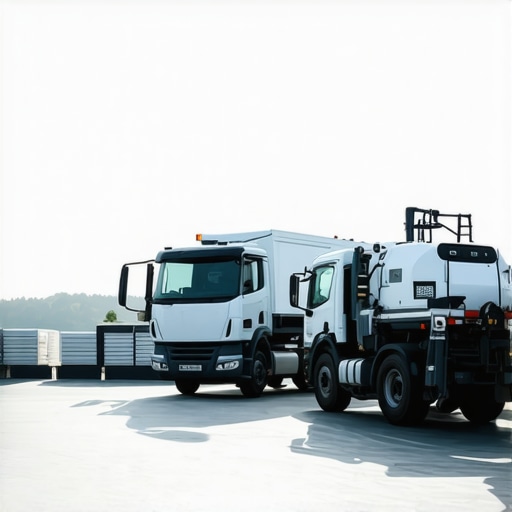
Let’s talk about CFM—Cubic Feet per Minute. A standard shop vac is a toy. An industrial 2026 vacuum truck used by professional roofing companies moves three thousand cubic feet of air per minute through a six-inch reinforced hose. This creates a massive negative pressure zone. When we insert that hose into an attic space, we aren’t just ‘picking up’ the trash; we are scrubbing the air. As we pull out the old, contaminated insulation, the vacuum ensures that every spore, every bit of rodent dander, and every dust particle is sucked out of the house and into a sealed filtration unit on the truck. This ‘Forensic Clean’ allows us to see the ‘shiners’—those missed nails from the previous crew that act as thermal bridges—and identify every structural shifting point in the timber. You cannot perform a proper air seal tech implementation when you are knee-deep in forty-year-old rockwool. The vacuum truck provides the ‘Surgery Ready’ environment needed for a 2026-grade installation. We zoom in on the top plates of your walls; if those aren’t sealed with foam after the vacuuming is done, your new roof will suffer the same fate as the old one due to bypasses.
“The building envelope must be viewed as a single, contiguous system where the roof and the attic floor are inseparable partners in moisture management.” – International Residential Code Commentary
The Death of the ‘Trunk Slammer’ Method
For decades, the ‘trunk slammer’ roofing companies would just tear off the shingles, ignore the underlayment rot, and slap down a new layer of asphalt. They didn’t want you to see what was in the attic because that would mean more work. They would leave the old, compressed insulation that had an R-value of basically zero. In 2026, the consumer is smarter. You can’t hide the decking rot from a heat camera. When we bring in the vacuum truck, we are offering a ‘reset button’ for the home’s thermal performance. By removing the old debris, we can install a cricket where it was missing, fix the valley flashing properly, and ensure the pitch of the gutters is actually moving water away from the foundation. It’s about the ‘Forensic Autopsy’ of the failure. If I find that your plywood is delaminating, I need to know why. Was it a ridge vent clog? Was it a lack of intake at the eaves? You can’t answer those questions if the evidence is buried under a foot of old gray lint.
Why Local Roofers are Betting on Suction
The logistics of a modern roofing job have changed. In the old days, we’d have four guys with heavy contractor bags lugging wet trash through a homeowner’s hallway. It was a mess. It was unprofessional. And it was dangerous for the crew. Today, the 2026 vacuum truck stays at the curb. The hose goes up the side of the house, often directly through a removed section of the roof deck or a gable vent. No mess, no cross-contamination. This allows the crew to focus on the high-level carpentry required for multi-pitch transitions and lead flashing details. We are seeing a massive shift where the best roofing companies are refusing to quote a job unless it includes a full attic ‘evacuation.’ They know that their 50-year warranty is worthless if the ‘oatmeal’ deck underneath fails in five years because of trapped moisture. It’s about protecting the deductible and the long-term investment. If you see a vacuum truck on your neighbor’s lawn, don’t think they’re overpaying; think they’re finally doing it right. They are fixing the ‘lungs’ of the house so the ‘hat’ of the house can actually do its job.