
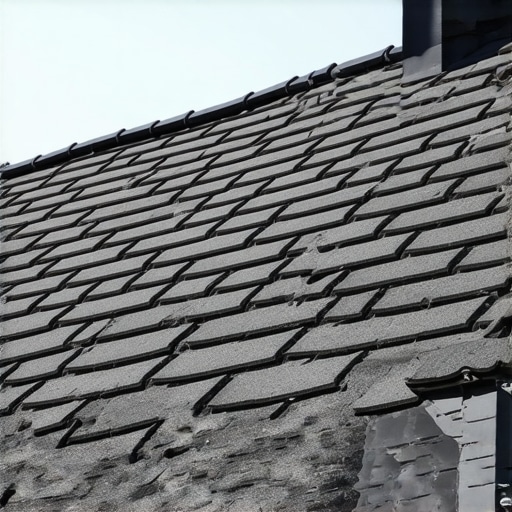
Walking on that roof felt like walking on a sponge. I knew exactly what I’d find underneath. It was a muggy Tuesday in Houston, the kind of heat that makes the shingles feel like hot licorice, and the homeowner couldn’t understand why his three-year-old roof was already buckling. I peeled back a square of shingles and there it was: the old-school organic felt underlayment had absorbed so much humidity it looked like wet cardboard. The plywood decking beneath had already started the slow slide into rot. This is why I tell people that the stuff you don’t see—the underlayment—is actually more important than the shingles themselves. If you are hiring local roofers, you need to stop them before they nail down that cheap tar paper. We are living in an era of extreme weather, and the physics of a roof deck demand something better. Synthetic felt, typically a woven polyolefin or polypropylene, has fundamentally changed how we protect the ‘dry-in’ phase of a project.
‘Underlayment shall be of the type and applied in the manner specified in this section… and shall be applied as required by the manufacturer’s installation instructions.’ – International Residential Code (IRC) R905.1.1
One of the primary benefits of synthetic underlayment is its sheer tear strength. In the wind-driven rain of a tropical storm, traditional #15 or #30 felt paper is about as useful as a wet napkin. If a shingle blows off, the wind will catch the edge of that organic felt and rip it right off the fasteners. Synthetic materials are engineered with a cross-stitch pattern that makes them nearly impossible to tear by hand. This means if you lose a few shingles during a blow, the synthetic pad stays attached to the deck, preventing water from saturating your plywood. You won’t find yourself looking for emergency roof services for sagging rafters because your deck stayed dry even when the primary armor failed. Another factor is dimensional stability. Organic felt is made of cellulose fibers—paper—soaked in asphalt. Paper reacts to moisture. When it gets damp, it expands; when it dries, it shrinks. This cycle causes the felt to ‘wrinkle’ under your shingles, creating those ugly telegraphing lines you see on cheap roofs at sunset. Synthetic underlayment is inert. It doesn’t care if the humidity is 10% or 100%. It stays flat, ensuring your shingles lay perfectly across the valleys and ridges. This stability is essential when using high-performance underlayments for extreme weather, where every millimeter of fit matters. Then there is the issue of UV exposure and job site safety. Most roofing companies want to get the ‘dry-in’ done fast. Organic felt can only be left exposed for a day or two before the sun starts to cook the asphalt out of it, making it brittle. Synthetic pads are often rated for 60 to 180 days of UV exposure. This is a massive advantage if there is a delay in shingle delivery. Furthermore, synthetic pads usually have a non-slip walking surface. I’ve spent enough time sliding on 140°F roofs to know that a ‘shiner’ (a missed nail) isn’t the only thing that can ruin your day—a loss of traction will do it faster.
‘A roof is only as good as its flashing and the integrity of its secondary water barrier.’ – Old Roofer’s Adage
Finally, let’s talk about moisture wicking and weight. A roll of #30 felt weighs about 45 pounds but only covers two squares. A roll of synthetic underlayment weighs about 25 pounds and covers ten squares. That is significantly less weight on your rafters and a lot fewer seams for water to find. Because synthetic is non-porous, it doesn’t wick water. If a local roofer leaves a fastener slightly loose, organic felt will pull that water into the wood through capillary action. Synthetic material acts more like a gasket around the nail shank. If you don’t get this right, you’ll eventually see the signs of hidden decking plywood decay during your next inspection. Don’t let a contractor talk you into the ‘standard’ felt to save a few hundred bucks. In the forensic world, we call those ‘few hundred bucks’ the down payment on your next major leak repair. When vetting reliable roofing companies, ask specifically what brand of synthetic pad they use and how many fasteners they per-square. That’s the difference between a roof that lasts and one that turns into oatmeal.