
The Forensic Reality of a Failed Roof
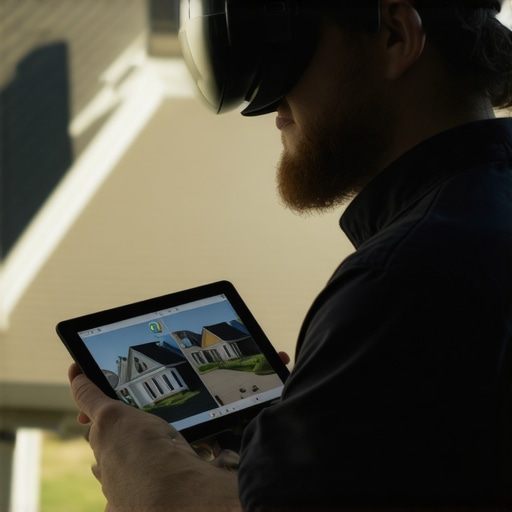
Walking on that roof felt like walking on a sponge. I knew exactly what I’d find underneath before the first pry bar even touched a shingle. In my 25 years inspecting residential structures across the humid, wind-battered corridors of the Gulf Coast, I’ve seen enough rotting OSB to last ten lifetimes. The homeowner thought they were fine because the shingles looked okay from the driveway, but the smell—that unmistakable, heavy scent of wet earth and fermenting wood—told the real story. Water isn’t just a liquid; it’s a persistent invader that uses capillary action to climb uphill under your shingles if the pitch is off or the flashing is botched. When you’re looking at roofing companies today, you’re not just buying a product; you’re buying a defense system against physics. By 2026, the industry is shifting. We are moving away from the ‘trust me’ handshake and into the era of the VR preview. If you aren’t using these tools to vet local roofers, you are essentially gambling with your biggest asset.
“A roof is only as good as its flashing.” – Old Roofer’s Adage
The Physics of Failure: Why Traditional Estimates Fail
When most roofing contractors come to your house, they give you a glossy brochure and a number. They don’t talk about the ‘shiners’—those missed nails that penetrate the attic space and act as condensation magnets, dripping water onto your insulation every time the temperature shifts. In the tropical heat of the Southeast, where a roof deck can hit 160°F by noon, the thermal expansion and contraction cycles are brutal. If your local roofers aren’t accounting for the movement of the substrate, those nails will eventually back out, creating a direct path for wind-driven rain. This is where 2026 VR technology changes the game. It allows us to perform a ‘digital teardown.’ We can show you the specific cricket we need to build behind your chimney to divert water, rather than just piling on more roofing cement that will crack in six months. We aren’t just looking at the top layer; we are looking at the secondary water resistance and how it interacts with your drip edge.
Mechanism Zooming: Seeing the Unseen Layers
Let’s talk about the ‘valley.’ It’s the most vulnerable part of your home, where two roof planes meet. Most roofing companies will just throw some metal down and hope for the best. With high-definition VR previews, we can zoom into that intersection at a granular level. You can see how the ice and water shield (which we use here for heavy rain, not just ice) laps over the valley metal. You can see the specific nail pattern required for high-wind uplift ratings. When the wind hits 110 mph during a summer squall, the air pressure on the leeward side of the roof drops, creating a suction effect. If the shingle isn’t bonded correctly because the installer didn’t understand the ‘thermal seal’ window, the whole square can peel off like a banana skin. VR previews allow you to visualize these technical specifications before the crew even arrives. You can see the difference between a ‘closed valley’ and an ‘open metal valley’ and understand why the latter survives the salt air much longer than the former.
“The building envelope must be designed to shed water at every transition.” – NRCA Manual
The Material Truth: Beyond the Marketing
Don’t get sucked into the ‘Lifetime Warranty’ trap. In the roofing world, ‘Lifetime’ usually means the lifetime of the product, which, in the face of brutal UV radiation and 90% humidity, might only be 15 years before the granules are sitting in your gutters. When evaluating roofing materials, you need to look at the ‘Uplift Ratings’ and ‘Algae Resistance.’ VR tools now allow you to toggle between standard asphalt shingles, architectural laminates, and stone-coated steel. You can see how the sun hits the radiant barrier under the decking and how that impacts your attic temperature. If you’re near the coast, those stainless steel nails aren’t a luxury; they are a requirement to prevent galvanic corrosion. Most homeowners don’t realize that standard galvanized nails will rust out in a decade when exposed to salt spray, leading to a roof that is literally unattached to the house.
How to Vet Local Roofers Using VR Previews
- Demand a 3D Scan: Any reputable 2026 contractor should be using drone-based LiDAR to create a perfect digital twin of your home. If they are still using a tape measure and a guess, move on.
- Inspect the Flashing Transitions: Have them show you the VR model of the wall-to-roof transitions. If they can’t explain how the step-flashing integrates with your siding, they don’t know their trade.
- Verify Ventilation: Use the preview to see the airflow. A roof that can’t breathe will cook itself from the inside out, leading to ‘oatmeal plywood’ where the adhesives in the wood fail due to trapped moisture.
- Check the Drip Edge: Most ‘trunk slammers’ skip the drip edge or install it wrong. The VR preview should show exactly how the water will shed into the gutter without wicking back onto the fascia board.
The Cost of the ‘Cheap’ Alternative
Every week, I get a call from someone who went with the lowest bid. They saved three thousand dollars upfront and are now looking at twenty thousand dollars in mold remediation and interior repair. They didn’t see the shiners. They didn’t see the lack of a cricket. They didn’t realize their ‘new’ roof was installed over a layer of old felt that was already brittle. VR previews strip away the mystery. They allow you to be the forensic investigator of your own home. When you can see the physics of water flow and the structural necessity of every nail, you stop looking for the cheapest price and start looking for the best protection. In 2026, roofing companies that hide behind vague contracts are becoming obsolete. The future of roofing is transparent, digital, and deeply technical. Choose a contractor who isn’t afraid to let you zoom in on the details.
This post offers a compelling look at how VR technology will revolutionize the way we evaluate and choose roofing contractors. As someone who has dealt with roof replacements in hurricane-prone areas, I can attest to how critical detailed visualizations are in avoiding costly mistakes. The ability to see a digital twin of your roof and assess vulnerabilities like valley intersections or flashing details before work begins seems like a game-changer for homeowners. I especially agree with how VR aids in understanding secondary water resistance and ensures proper installation of critical components, rather than just relying on standard estimates. My question is, how accessible are these VR tools for average homeowners? Do most reputable roofers adopt this technology now, or is it still mainly the top-tier contractors on the cutting edge? I believe broader adoption could significantly improve industry standards and client satisfaction.