
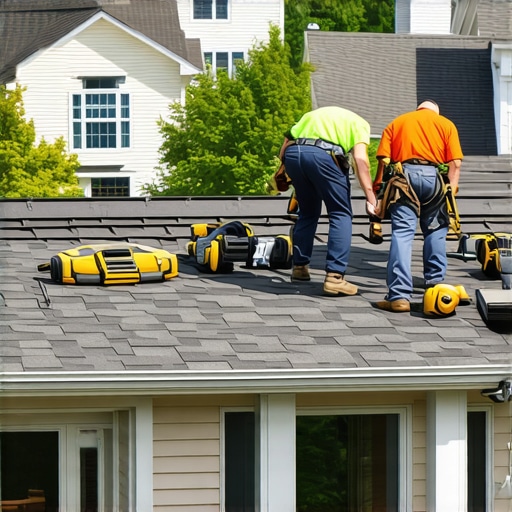
The Forensic Autopsy of a Pest-Riddled Roof Deck
Walking on that roof felt like walking on a sponge. I knew exactly what I’d find underneath—not just rot, but a multi-generational squirrel hotel that had turned the OSB into mulch. As a veteran of forensic roofing, I’ve spent twenty-five years peeling back the layers of failed systems, and the story is always the same. The homeowner hired local roofers based on the lowest bid, the crew ignored the fascia-to-drip-edge interface, and the local wildlife treated the attic like a five-star resort. By the time I arrived, the smell of ammonia and rotting plywood was thick enough to taste. This isn’t just a nuisance; it is a structural failure. When an animal breaches your roof, they aren’t just looking for a dry place to sleep; they are opening a pathway for hydrostatic pressure and capillary action to destroy your home from the inside out.
“Roofing systems shall be designed and installed to prevent the accumulation of water and to provide a weather-resistant exterior wall envelope.” – International Residential Code (IRC) R903.1
1. The Drip Edge Gap: The Raccoon’s Pry Bar
Most roofing companies treat the drip edge like an afterthought, something to be nailed on as fast as possible to get to the shingles. But in the cold Northeast, that gap between the fascia board and the starter strip is an invitation. Raccoons don’t just find holes; they create them. They look for any edge they can get their paws under. If your roofer didn’t install a heavy-gauge, oversized drip edge that overlaps the gutter properly, a raccoon will use it as a pry bar. They will grab that aluminum, bend it back, and chew through the sub-fascia in minutes. Once the wood is exposed, the cycle of rot begins. Snow sits in the gutter, wicks up into the exposed wood through capillary action, and turns your structural support into soft pulp. For 2026, we are seeing more aggressive urban wildlife, and your defense needs to be mechanical, not just cosmetic.
2. The Thermal Bridge of the ‘Shiner’
You might wonder how a squirrel knows exactly where to chew. It’s the heat. In a poorly insulated attic, every shiner—that’s a nail that missed the rafter and is sticking through the plywood—acts as a thermal bridge. These nails conduct the 140°F attic heat directly to the roof deck, creating hot spots. Animals sense this thermal leakage through the snow pack or the cool night air. They gravitate toward the warmth. When local roofers get sloppy with the nail gun, they aren’t just compromising the wind uplift rating; they are literally signaling the pests to start digging. Proper nail patterns and ensuring no shiners are left exposed is a basic trade skill that separates a master from a trunk-slammer. If your attic is leaking heat, you are baiting the trap for every rodent in the neighborhood.
3. The Valley and the Cricket: Water Management vs. Hiding Spots
The valley of your roof is where two slopes meet, and it’s the most vulnerable part of the system. If it’s not flashed with a heavy-duty liner, water pools there. But animals love these spots too because they provide cover from predators. A cricket—a small peaked structure built to divert water behind a chimney—is often a prime real estate for bird nests. When birds nest in a cricket, they trap moisture against the flashing. This leads to galvanic corrosion if the wrong nails were used, or simply rots out the wood. Forensic investigation often shows that a leak isn’t caused by a failed shingle, but by animal debris clogging the water’s path, forcing it under the shingles. You need a roofing system that uses metal valleys and properly designed crickets that don’t allow for nesting pockets.
4. Soffit Intake and the 140°F Attic Call
Ventilation is the lungs of your house. In the Southwest, we worry about heat; in the North, we worry about condensation. But everywhere, we worry about the soffit. If your soffit vents are plastic or thin-gauge mesh, they are useless against a persistent squirrel. They will chew through the vent to access the cool intake air. Once inside, they compress your insulation, lowering your R-value and creating cold spots on your ceiling. A forensic roofer looks for the ‘rubs’—the dark oily marks animals leave behind on the soffit—as a sign that the intake system is compromised. Upgrading to stainless steel mesh or heavy-duty mitered soffits is a necessity for 2026. If the intake is blocked by nests, your shingles will bake from the inside out, curling and losing their granules years before the warranty expires.
“A roof is only as good as its flashing and its ability to breathe without letting the outside in.” – Old Roofer’s Adage
5. The Illusion of the Lifetime Warranty
Don’t let roofing companies sell you on a ‘lifetime warranty’ if they aren’t addressing the animal access points. Most warranties specifically exclude damage caused by ‘acts of nature’ or ‘infestations.’ If a squirrel chews through your ridge vent and water destroys your ceiling, the shingle manufacturer will laugh at your claim. The only way to protect your investment is through hardened materials. Use bullet-proof lead jacks for plumbing stacks instead of those cheap rubber boots that squirrels love to sharpen their teeth on. Ensure your ridge vent is a baffled, high-impact plastic that can withstand a raccoon’s weight. Anything less is just a temporary patch on a problem that will eventually cost you a full square of replacement material. Pick a contractor who talks about physics and animal behavior, not just colors and financing.