
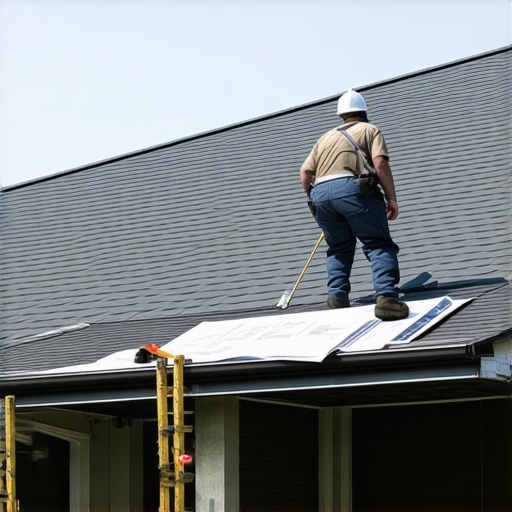
The Forensic Reality of the Rooftop Portfolio
Most roofing companies treat a portfolio like a glossy real estate brochure. They take a photo from the curb, wait for the sun to hit the architectural shingles just right, and pretend they’ve built a masterpiece. But after 25 years in this trade, I can tell you that a pretty roof means nothing if the forensic details under the skin are a disaster. In the Southeast, where the sun cooks shingles at 140°F and wind-driven rain hits like a pressure washer, a portfolio needs to prove physics, not just aesthetics. My old foreman used to say, ‘Water is patient. It will wait for you to make a mistake.’ He was right. If your portfolio doesn’t show how you outsmarted the water, you aren’t building trust—you’re just selling luck.
A real portfolio is a record of defense. It’s about showing the client that you understand why the last roof failed. I’ve seen countless houses in Florida and Houston where the shingles looked fine from the street, but the plywood was turning to mush underneath because the contractor didn’t understand vapor drive. If you want to stand out among local roofers, your portfolio must document the ‘unseen’ victory over environmental decay. Use these five forensic-grade tips to build a body of work that proves you aren’t just another trunk slammer with a nail gun.
“A roof is only as good as its flashing.” – Old Roofer’s Adage
1. Document the Forensic Teardown and Substrate Correction
The biggest mistake roofing companies make is starting their portfolio with the new underlayment. The real value is in the ‘Forensic Autopsy’ of the old system. When you tear off those old 3-tab shingles, you are looking at a crime scene. Show the client the [rotted roof decking](https://modernroofingguide.com/local-roofers-3-fixes-for-rotted-roof-decking) you found around the chimney. Explain the ‘why’—maybe it was the lack of a cricket or a poorly integrated valley. By documenting the repair of the substrate, you prove that the new roof is sitting on a foundation that won’t sag or fail. When water gets trapped under shingles due to hydrostatic pressure, it seeks out every nail hole. If the decking is soft, those nails won’t hold during a hurricane. Your portfolio should feature photos of clean, re-nailed, or replaced squares of decking. This demonstrates that you aren’t just covering up problems, but surgically removing them.
2. Highlight High-Wind Fastening Patterns and ‘Shiner’ Prevention
In tropical and coastal zones, the enemy is uplift. Most shingles are rated for high winds, but only if the installer actually hits the nail line. A single shiner—a nail that misses the rafter or sits too high—is a literal entry point for moisture. Your portfolio should include close-up shots of your fastening patterns. This is where Mechanism Zooming comes in. Don’t just show a roofer working; show the specific placement of the six nails required for high-wind warranties. Explain to the client that during a storm, wind hitting the eave creates a low-pressure vortex on the leeward side of the roof. This Bernoulli effect literally tries to suck the shingles off the deck. If those fasteners aren’t placed to resist that specific mechanical pull, the roof will fail. Showing [shingle lifting](https://modernroofingguide.com/local-roofers-5-ways-to-spot-shingle-lifting-early-storm-fast-early-fast-early-fast-early-fast-early-fast-early-fast-early-fast-early-fast-early-fast-early-fast-early) prevention in action tells the client you understand the physics of their specific climate.
3. Show the Science of Secondary Water Resistance
In regions prone to tropical storms, the shingles are just the first line of defense. The real hero is the secondary water resistance (SWR). Your portfolio needs to show the transition from old-school organic felt to modern [synthetic shingle felt](https://modernroofingguide.com/roofing-materials-4-benefits-of-synthetic-shingle-felt). Take photos of the self-adhering modified bitumen membranes you’re installing in the valleys and at the eaves. Explain the capillary action: when wind-driven rain hits a vertical surface like a wall or chimney, it doesn’t just run down; it can be sucked upward behind the shingles. A portfolio that shows Ice & Water Shield or SWR membranes wrapped 6 inches up a wall proves that you’ve anticipated this behavior. This level of detail separates professional roofing companies from those who just follow the bare minimum of the building code.
4. Detail the Physics of Ventilation and Humidity Control
A roof in the South isn’t just a lid; it’s a breathing apparatus. If your portfolio doesn’t show how you’ve addressed attic heat, you’re missing half the story. High humidity leads to condensation on the underside of the roof deck, which causes decking rot behind gutters. Show your intake and exhaust balance. Use photos of ridge vents and soffit vents, and explain how you ensure there’s an uninterrupted flow of air. When the attic hits 140°F, the heat actually cooks the asphalt from the bottom up, shortening the shingle life by years. By documenting your [attic vent sealing](https://modernroofingguide.com/roofing-materials-4-best-ways-to-seal-attic-vents) and airflow strategy, you show the client you’re protecting their investment from the inside out. It’s about thermal management, not just keeping the rain out.
“The roof shall be covered with approved roof coverings in accordance with the manufacturer’s installation instructions.” – International Residential Code (IRC)
5. Demonstrate Mastery of Flashing and Joint Integrity
The most common failure points aren’t the shingles; they are the transitions. Your portfolio should have a dedicated section for flashing. Whether it’s [chimney water entry](https://modernroofingguide.com/roofing-services-5-ways-to-stop-chimney-water-entry) prevention or step-flashing at a dormer, these are the areas that require the most skill. Show the ‘step-by-step’ of a chimney reflashing. Show how you integrate the counter-flashing into the mortar joints. Explain to the homeowner that metal and asphalt expand and contract at different rates—this is thermal expansion. If the flashing isn’t designed to allow for this movement while maintaining a water-tight seal, it will eventually buckle and leak. A portfolio that highlights these technical ‘pinch points’ proves that you are a forensic expert, not just a laborer. [Placeholder_Image_1] The bottom line is that a quality portfolio is a record of your refusal to cut corners. It shows that you respect the physics of the roof and the harsh reality of the local climate.